
Brazil's Business Travel Revival Gains Speed with MICE Tourism
Brazil's MICE tourism sector fuels corporate travel, international investment, and regional development across São Paulo, Rio, and Brasília in 2026.

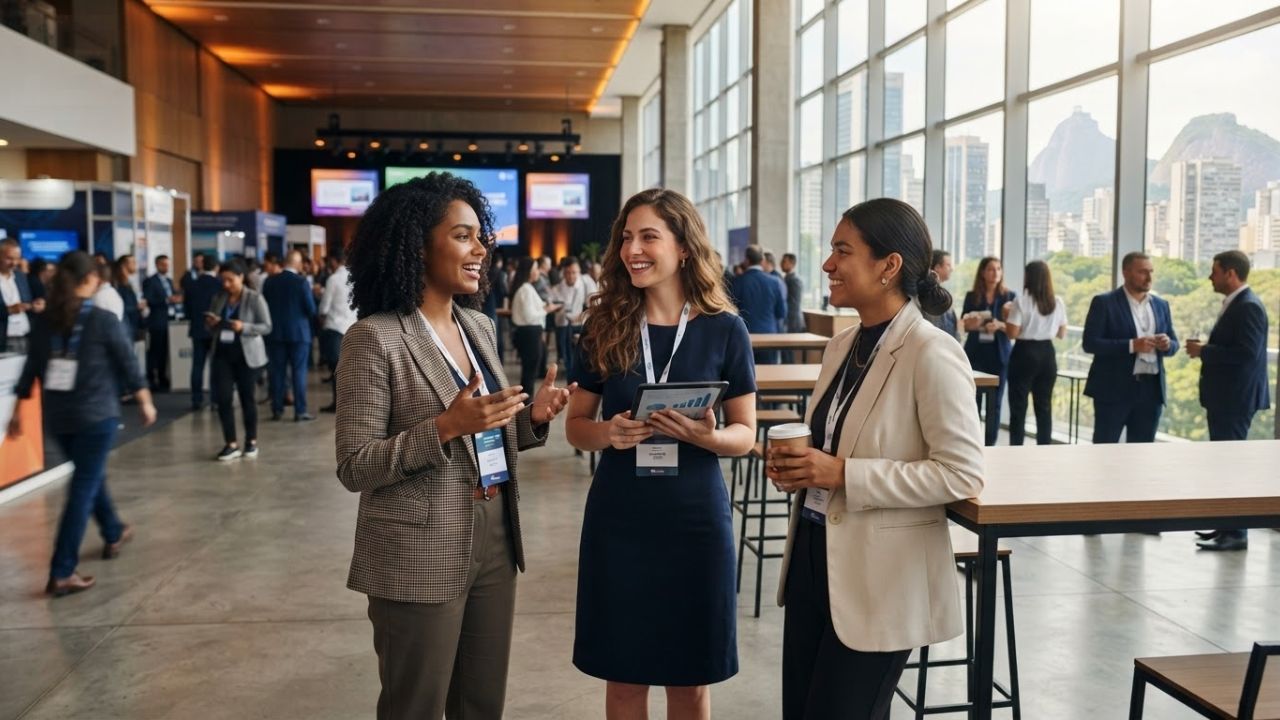
Image generated by AI
Brazil's business tourism sector is entering a period of expansion as corporate meetings, international conferences, and exhibitions drive economic growth in 2026. From the financial hub of São Paulo to the scenic event spaces of Rio de Janeiro, MICE travel is attracting global investment and year-round business visitors.
The Economic Footprint of Brazil's MICE Sector
The corporate travel sector in South America is experiencing a transition as companies expand their international operations. Brazil is entering a period of business tourism growth, with the Meetings, Incentives, Conferences, and Exhibitions (MICE) sector serving as a primary driver of economic activity. Unlike seasonal leisure tourism, professional events generate year-round visitor demand, supporting occupancy rates during traditional off-peak periods.
By establishing these seasonal travel corridors, the airline's management aims to support both business and leisure travel flows. Corporate travelers and travel agencies, which maintain strong relationships with global destination management organizations, benefit from direct seat capacity. This economic integration supports the travel sector, providing service providers with a reliable channel for high-value bookings.
By establishing these seasonal travel corridors, the airline's management aims to support both business and leisure travel flows. Canadian corporate travelers and travel agencies, which maintain strong relationships with European and Asian destination management organizations, would benefit from direct seat capacity. This economic integration supports the travel sector, providing service providers with a reliable channel for high-value bookings.
Business visitors represent a high-value segment for the tourism economy because their average spending per trip is higher than that of leisure travelers. This spending supports hotels, convention facilities, local restaurants, and private transport providers. Additionally, hosting international trade exhibitions attracts global organizations, encouraging knowledge exchange, direct foreign investment, and trade partnerships within the country.
São Paulo: The Corporate Engine of South America
São Paulo remains Brazil's most important business tourism destination, serving as the country's financial capital and corporate hub. The city's extensive aviation links and dedicated event spaces make it a preferred location for large-scale international conferences and trade fairs.
This localized disruption also offers a unique opportunity for duty-free retailers and terminal operators to design services suited for stranded passengers. By monitoring passenger comfort levels during long delays, airport customer teams can provide complimentary amenities to ensure guest satisfaction. This proactive approach helps build traveler confidence, ensuring that regional transit routes remain competitive with global hub standards.
This geographical shift also offers a unique opportunity for cultural exchange and community tourism. Local restaurants and small scale tour operators, which often experience severe bottlenecks during the peak summer weeks, can offer more personalized experiences for guests during the calmer autumn weeks. This slower pace allows travelers to engage more deeply with local traditions and community members.
The city's major convention centers—including São Paulo Expo, Anhembi, and Expo Center Norte—host large exhibitions representing multiple industries throughout the year. Beyond professional commitments, business travelers are encouraged to explore São Paulo's cultural offerings, including the Museu de Arte de São Paulo (MASP), architectural tours, and the city's gastronomy, which increases length of stay and local visitor spending.
Rio de Janeiro: Blending Professional Events with Leisure Appeal
Rio de Janeiro offers a distinct advantage for event planners by combining modern conference facilities with world-famous natural landmarks.
This localized culinary focus also offers a unique opportunity for restaurant associations and culinary schools to design programs suited for premium travelers. By monitoring passenger dining preferences during long stays, local chefs can provide customized dishes to ensure guest satisfaction. This proactive approach helps build traveler confidence, ensuring that Canadian urban dining remains competitive with global culinary standards.
This environmental focus is supported by regional climatologists and conservationists who monitor ecosystem health. By tracking tourist footprint signals, managers can ensure that natural areas remain protected. The integration of carrying-capacity policies with wilderness trails demonstrates how tourism planning can protect biodiversity while offering high-quality educational hikes.
The city's major event spaces, such as Riocentro, support large-scale conferences, while the coastal setting of Copacabana and Ipanema beaches provides an attractive environment for corporate incentive travel. By offering opportunities to explore the city's cultural heritage and outdoor attractions after business hours, Rio de Janeiro remains highly competitive in the international MICE market.
Brasília and Regional Expansion: Salvador, Curitiba, Recife, and Belo Horizonte
The expansion of Brazil's business tourism is not limited to the largest metropolitan areas, as regional capitals develop their facilities to attract professional groups.
Brasília, the federal capital, plays a key role in diplomatic travel, government meetings, and institutional conferences. The city's planned administrative design and unique modern architecture also create opportunities for cultural tourism among business visitors.
Regional destinations are also developing their capabilities:
- Salvador: Located in Bahia, Salvador combines its Afro-Brazilian cultural heritage with the modern Salvador Convention Center located in Boca do Rio.
- Curitiba: Offers organized urban infrastructure and convention facilities, attracting industrial and environmental conferences.
- Recife: Serves as a regional gateway in the northeast, hosting events focused on technology and logistics.
- Belo Horizonte: Focuses on agricultural exhibitions and corporate meetings.
This regional expansion distributes tourism revenue beyond traditional hubs, supporting local economies across the country.
Sustainability and Technology in Modern Brazilian Events
The future development of the MICE sector in Brazil is influenced by digital innovation and environmental sustainability. International organizations are increasingly selecting destinations based on social and ecological responsibility.
Sustainable initiatives include building energy-efficient event venues, minimizing food waste through local community donation programs, and offering hybrid meeting platforms to increase participation. By implementing eco-friendly event standards, Brazilian venues aim to reduce their carbon footprint, securing a competitive position in the global business travel market.
Visitor Guide: Feijoada, Business Etiquette, and Transit Navigation
Navigating business meetings in Brazil involves understanding local customs, planning airport transit, and experiencing regional culinary traditions. By preparing ahead, corporate travelers can ensure a successful visit.
Savor traditional dishes during your stay. Sample Feijoada, a slow-cooked black bean and pork stew traditionally served on Saturdays. During morning meetings, accept a cup of cafezinho, a small cup of strong black coffee that serves as a social ritual. It is considered polite to accept the coffee and engage in small talk before starting business discussions.
Coordinate your transit options from major airports. In São Paulo, avoid road traffic by using the Line 13-Jade airport train, which connects Guarulhos Airport to the metropolitan rail network. The train station is near Terminal 1; if arriving at Terminal 2 or 3, take the free shuttle bus to reach the station. In Rio de Janeiro, use the VLT light rail system to navigate the central business district.
Dress appropriately for corporate settings. Business attire in Brazil is generally conservative, with suits being standard for executive roles. While meetings maintain an open atmosphere, it is important to build personal relationships and rapport before finalizing business agreements.
Future Outlook: Rebuilding a Resilient South American Event Hub
The long-term success of Brazil's MICE sector depends on expanding international air connectivity and upgrading regional infrastructure. The Ministry of Tourism and the Brazilian Tourist Board (Embratur) are collaborating to promote the country's event facilities.
Sustainable initiatives include installing solar power grids at convention centers, establishing eco-friendly public transit lanes, and supporting local community cooperatives. By combining modern business infrastructure with ecological preservation, Brazil aims to protect its natural resources while welcoming the global corporate community.
Related Travel Guides
Disclaimer
This article is for informational and educational purposes only. It does not constitute legal, financial, or professional advice. While we strive to provide accurate and up-to-date information, travel policies, regulations, and conditions change rapidly. Always verify information with official sources before making travel decisions. Nomad Lawyer makes no representations about the accuracy, reliability, completeness, or suitability of the information provided. Readers should consult qualified professionals for advice specific to their circumstances. The views expressed in this article are those of the author and do not necessarily reflect the views of Nomad Lawyer.
Raushan Kumar
Founder & Lead Developer
Full-stack developer with 11+ years of experience and a passionate traveller. Raushan built Nomad Lawyer from the ground up with a vision to create the best travel and law experience on the web.
Learn more about our team →