
Anantara Angkor Resort Unveils Heritage Temple and Lotus Experience
Celebrating 25 years of luxury hospitality, Anantara Angkor Resort launches a Siem Reap program combining sunrise temple walks with traditional lotus farming.
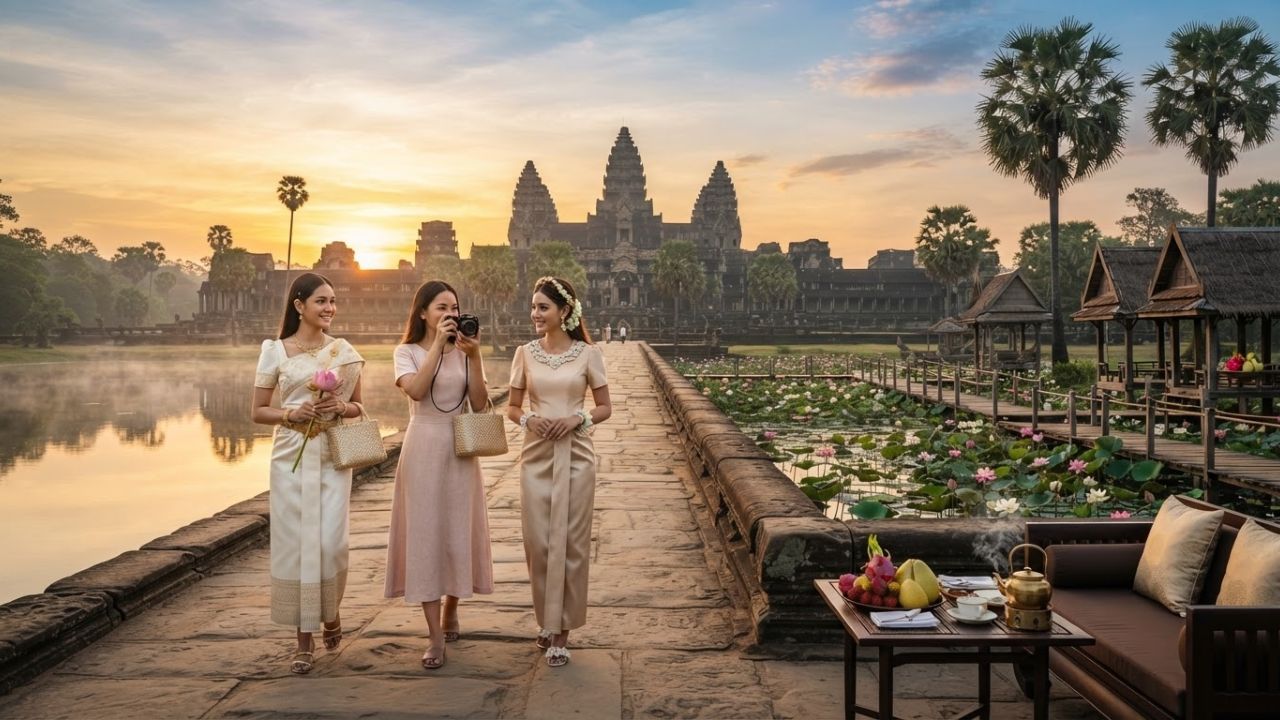
Image generated by AI
Celebrating the parent company's 25th anniversary with a curated luxury stay program, Anantara Angkor Resort has launched the Angkor and the Lotus experience, combining private sunrise temple walks in Siem Reap with traditional lotus farming.
The three-night cultural program links the historic stone carvings of Angkor Wat with living agricultural communities in rural Cambodia. The package offer is timed to promote tourism during the regional green season, which spans from June to October, providing travelers with quieter temple exploration and lush, water-filled vistas. By integrating historic monument excursions with traditional craftsmanship and regional cuisine, the resort aims to expand the economic benefits of tourism beyond the archaeological boundaries and directly into local communities.
The Local Trend Revealed: Narrative-Driven Cultural Hospitality
The launch of the Angkor and the Lotus package reflects a growing travel trend where luxury hotels compete through access, destination storytelling, and community-led experiences rather than accommodation quality alone. Placing the lotus at the center of the itinerary creates a visual and symbolic connection between the ancient bas-relief carvings of the temples and contemporary Khmer life. In Siem Reap, this approach encourages travelers to appreciate Cambodian heritage as a living practice that continues to shape regional craft, culinary, and spiritual traditions.
Excursion permits, timing, and monument ticketing are managed by Angkor Enterprise, the government ticketing body that monitors tourist flows and park safety. By scheduling the main temple walk at dawn, the program reduces visitor congestion along primary pathways and ensures that guests experience the monument in cooler morning temperatures. According to regional tourism guidelines from the Ministry of Tourism of Cambodia, shifting visitor traffic from peak hours supports heritage site conservation while distributing tourism spending across local transport providers and registered guides.
Tourism Metrics and Program Parameters
The anniversary program requires a minimum three-night stay, encouraging travelers to spend more time exploring the Siem Reap province. The itinerary combines dawn tours of the main temple complex with dusk visits to a rural eco-farm.
The following table details the visitor volumes, pricing points, and property specifications for the 2026 green season program:
| Program / Tourism Metric | Value / Parameter | System Integration Role | Primary Regional Benefit |
|---|---|---|---|
| Package Starting Rate | US$415 per suite per night | Room and excursion pricing | Supports local guides, farm operators, and resort staff |
| Minimum Stay Requirement | 3 consecutive nights | Length of stay extension | Increases tourist spending in the local Siem Reap economy |
| Resort Room Inventory | 39 suites | Boutique property footprint | Maintains low-density visitor volumes |
| Angkor Tickets Sold (July 2026) | 40,451 foreign tourists | Green season volume index | Shows reduced crowd levels around major monuments |
| July Ticket Revenue (July 2026) | Approximately US$1.85 million | Public conservation funding | Directly supports temple restoration and site security |
| Cumulative Inbound Visitors (2026) | About 450,000 (until August 13) | Annual tourism volume index | Evaluates year-round tourism recovery trajectories |
The resort is located approximately 10 minutes from central Siem Reap and 15 minutes from Angkor Wat, giving guests access to local markets, city dining, and the primary temple checkpoints.
Package Elements and Guest Privileges
The anniversary package includes daily breakfast, a guided sunrise tour of Angkor Wat, and an evening excursion to a working lotus eco-farm. During the morning temple walk, guests explore the main sanctuary alongside historical sites like Srah Srang, traditionally associated with the royal bathing waters. The pre-dawn departure allows travelers to photograph the iconic towers against the changing morning light before daytime crowds arrive.
In the evening, the focus shifts to a rural lotus eco-farm, where visitors learn about traditional harvesting techniques and the production of natural fibers from the plant's stems. The experience highlights the flower's role in local wellness and craftsmanship. The day concludes with an eight-course tasting menu at the resort, drawing inspiration from refined Cambodian culinary traditions. This combination of activities transforms separate sightseeing excursions into a unified narrative journey.
Green Season Value and Sustainable Heritage Tourism
For the visitor, the real impact is the opportunity to experience the ancient monuments of Angkor during the quieter green season. The June-to-October period brings regular rainfall, which helps restore the region's waterways, fills the temple moats, and turns the surrounding vegetation a deep green. While travelers must prepare for wet weather and changing trail conditions, the green season offers a scenic, crowd-free alternative to the busy winter months.
This seasonal distribution of tourism is essential to reducing the wear on ancient stone structures. During major events, such as the Angkor Equinox on March 22, 2026, the APSARA National Authority reported that over 30,000 visitors gathered at sunrise on a single day. Opting for a green season visit allows travelers to explore at a slower pace, while their spending helps support local hospitality employees and farming cooperatives during the low-demand months.
Green Season Preparation and Temple Etiquette Advice
Travelers visiting Siem Reap during the green season can optimize their experience using these local recommendations:
- Navigating Temple Checkpoints: Secure your Angkor pass online through the official Angkor Enterprise portal the day before to ensure a quick transit through the entry checkpoints at dawn.
- Respecting Temple Dress Codes: Cover your shoulders and knees when visiting the inner sanctuaries of Angkor Wat and Bayon, as temple wardens strictly enforce the national code of conduct.
- Preparing for Weather Changes: Pack a lightweight, breathable raincoat, sturdy non-slip footwear for wet stone steps, and eco-friendly insect repellent for evening farm walks.
- Under-the-Radar Spot: Visit the lesser-known temple of Banteay Samre during the mid-afternoon hours to explore detailed carvings and quiet courtyards away from the primary tour routes.
Key Takeaways
- Anniversary Offer: Anantara Angkor Resort marks the parent company's 25th anniversary with the Angkor and the Lotus stay package, starting at US$415 per night.
- Dual Excursions: The three-night program combines a guided dawn tour of Angkor Wat with an evening boat journey through a working lotus eco-farm.
- Green Season Appeal: Visiting during the June-to-October wet season offers cooler temperatures, lush green landscapes, and fewer crowds around the temples.
- Low-Density Stay: The resort operates just 39 suites (ranging from 46 to 235 square meters) centered around a courtyard pool, maintaining an intimate environment.
FAQ
What is the minimum stay required for the lotus experience?
The Angkor and the Lotus anniversary package requires a minimum stay of three consecutive nights at the resort.
Are temple passes included in the package price?
Yes, the offer includes official temple passes, transport, and an English-speaking guide for the morning Angkor Wat excursion.
What is the best airport to fly into for Siem Reap?
Travelers should fly directly to Siem Reap-Angkor International Airport (SAI), located approximately 45 kilometers from the resort.
Related Travel Guides
Singapore Airlines and Navan Launch Direct NDC Technology Connection
Vietnam and Singapore Launch Cross-Border QR Payment Connection
The 10 Best Boutique Resorts in Siem Reap for Solo Travelers
Disclaimer
This article is for informational and educational purposes only. It does not constitute legal, financial, or professional advice. While we strive to provide accurate and up-to-date information, travel policies, regulations, and conditions change rapidly. Always verify information with official sources before making travel decisions. Nomad Lawyer makes no representations about the accuracy, reliability, completeness, or suitability of the information provided. Readers should consult qualified professionals for advice specific to their circumstances. The views expressed in this article are those of the author and do not necessarily reflect the views of Nomad Lawyer.