
Amtrak Unites Brightline and More in a Stunning US Rail Upgrade for Premium Travellers
Amtrak Unites Brightline and More in a Stunning US Rail Upgrade for Premium Travellers

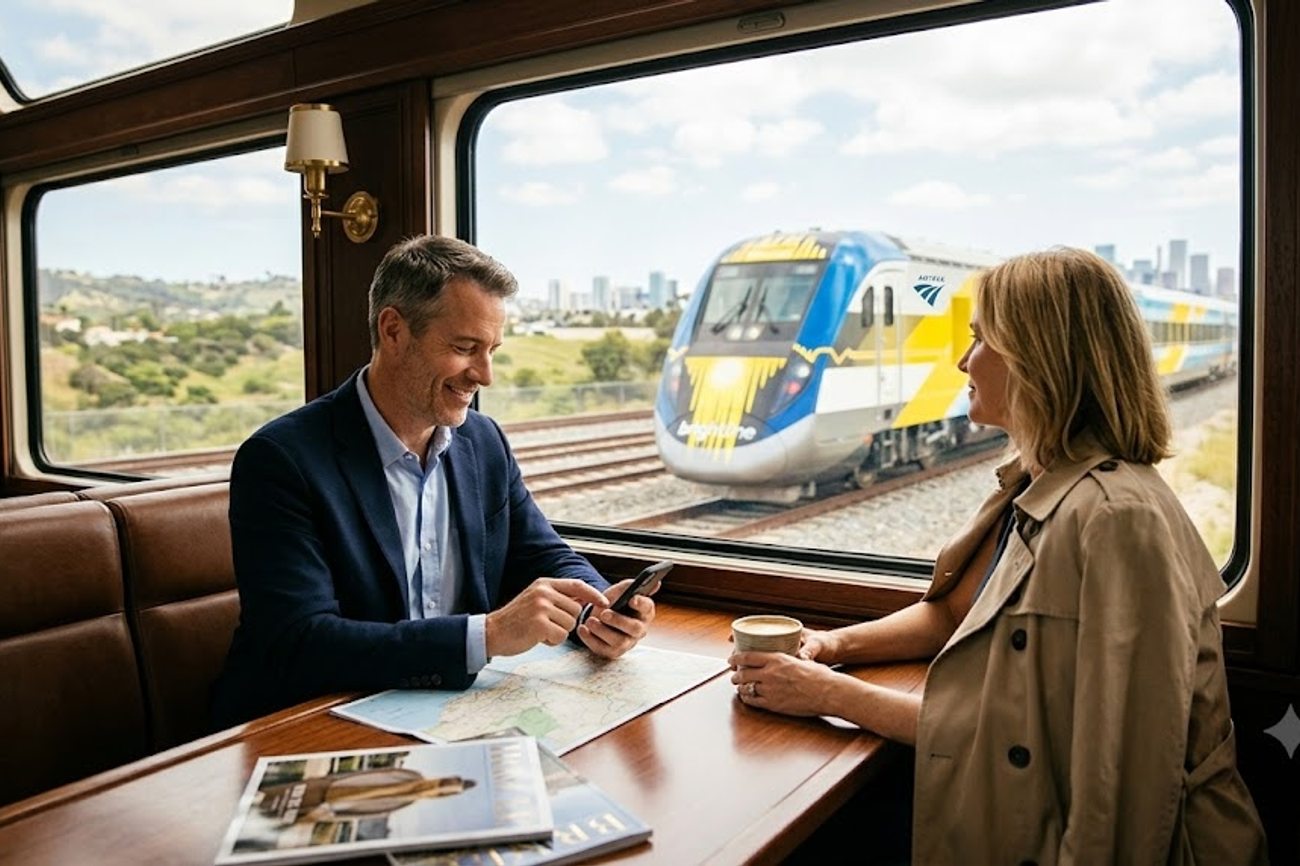
Image generated by AI
500 destinations across 46 states and parts of Canada now serve as the foundation for a systemic shift in how the American rail industry monetizes passenger comfort. The transition from utilitarian transit to "experience-based" travel is no longer a niche market for heritage railways; it has become a core strategic pivot for national carriers and regional operators alike. By integrating airport-style lounge infrastructure and high-margin premium tiers, the US rail sector is attempting to decouple its revenue streams from basic ticket sales and attach them to luxury hospitality.
The Privatization of the Station Experience
The most significant shift in the current rail model is the migration of luxury from the train car to the station terminal. For decades, the American train station was a place of transit—a functional, often sterile environment. Now, the "lounge economy" is being imported from the aviation sector to capture high-net-worth travelers before they even board.
The Amtrak model, specifically at the Moynihan Train Hall in New York City, serves as the blueprint for this evolution. By creating a tiered access system—reserved for Acela First Class, private-room passengers, and elite Guest Rewards members—Amtrak is creating a psychological barrier between the general commuter and the premium traveler. The introduction of balcony café seating and a shift toward sustainable, high-end service ware (china and glassware) signals a move away from the "fast food" ethos of traditional rail travel toward a fine-dining standard.
This strategy solves a critical logistical pain point: the chaos of the urban terminal. By offering a sanctuary of quiet and curated seasonal menus, the carrier transforms the waiting period from a stressor into a value-added benefit. The availability of same-day passes further democratizes this luxury, allowing the carrier to monetize the lounge space even from passengers who haven't booked a top-tier ticket.
Regional Luxury and the "Destination Train"
While Amtrak handles the national infrastructure, regional players are redefining the train as the destination itself. In Florida, Brightline is positioning itself not as a competitor to the car, but as a competitor to the short-haul flight. By linking Miami, Aventura, Fort Lauderdale, Boca Raton, West Palm Beach, and Orlando with a business-class logic, Brightline is targeting the "time-poor, cash-rich" demographic.
The Brightline Premium ticket functions as an end-to-end luxury ecosystem. The integration of exclusive station lounges and complimentary onboard catering mirrors the International Air Transport Association (IATA) standards for business travel. For the traveler, the value proposition is the elimination of "friction"—the removal of airport security queues and the unpredictability of Florida's highway traffic.
In the West, the luxury model shifts from efficiency to immersion. The Alaska Railroad’s GoldStar Service on the Coastal Classic and Denali Star routes utilizes architectural advantages—specifically glass-dome ceilings and open-air platforms—to monetize the scenery. This is a strategic move to capture the high-spending international and domestic tourist market visiting Anchorage, Girdwood, Seward, Talkeetna, Denali, and Fairbanks. Here, the rail company is no longer just a transport provider; it is a sightseeing operator.
| Operator | Primary Region | Premium Tier | Key Luxury Feature | Primary Target Audience |
|---|---|---|---|---|
| Amtrak | National / NEC | Acela First / Private Rooms | Metropolitan Lounges | Corporate / Long-haul Luxury |
| Brightline | Florida | Premium | Station Lounges & Complimentary F&B | Business / Cruise Passengers |
| Alaska Railroad | Alaska | GoldStar Service | Glass-dome cars & Outdoor platforms | High-spend Sightseers |
| Grand Canyon Railway | Arizona | Luxury Parlor Class | Adults-only lounge cars | Couples / Celebration travelers |
| Napa Valley Wine Train | California | Vista Dome | 1952 Pullman glass-domed cars | Gourmet / Wine Tourists |
Expert Analysis: The Economics of "Slow Travel"
The proliferation of premium rail services is a direct response to the "revenge travel" phenomenon and a growing consumer preference for "slow travel." From a business perspective, the cost of adding a luxury lounge or upgrading a carriage is marginal compared to the price premium these tickets command.
For travelers booking these routes, the direct consequence is a bifurcated pricing structure. We are seeing the "airline-ification" of rail, where the base fare remains accessible, but the "experience" is locked behind a significant paywall. However, this pricing pressure creates a new market incentive: it makes rail competitive with luxury road trips. When a traveler can book a private railcar or a Luxury Parlor Class seat on the Grand Canyon Railway from Williams, Arizona, the train stops being a compromise and starts being a preference.
The integration of high-speed corridors allows premium travelers to seamlessly transition between Amtrak’s national network and Brightline’s modern infrastructure. Passengers can now optimize their itineraries across the East Coast by coordinating schedules through the Amtrak official portal, ensuring streamlined logistics for business and leisure trips.
The move toward adults-only carriages and gourmet, multi-course meals—as seen with the Napa Valley Wine Train and the Strasburg Rail Road in Pennsylvania—indicates that rail companies are targeting "celebration spend." By focusing on anniversaries, honeymoons, and corporate retreats, these operators are insulating themselves from the volatility of general commuter trends. They are selling exclusivity and privacy, two of the most expensive commodities in modern travel.
Key Takeaways
- Infrastructure Shift: Major hubs like New York's Moynihan Train Hall are replacing generic waiting areas with tiered, airport-style Metropolitan Lounges to attract high-spend passengers.
- Experience over Transit: Operators in Alaska and Arizona are pivoting toward "sightseeing rail," using glass-domed cars and open-air platforms to turn the journey into the primary attraction.
- Market Segmentation: The introduction of adults-only cars and private-room options allows rail companies to target the "celebration" and "luxury" demographics specifically.
- Regional Efficiency: Brightline is successfully challenging short-haul aviation in Florida by offering a seamless, lounge-to-seat premium experience that avoids airport friction.
- Heritage Monetization: Vintage assets, such as the 1952 Pullman cars in Napa Valley, are being leveraged to justify gourmet pricing and exclusive private seating.
FAQ: US Premium Rail [2024-2025]
Who can access Amtrak Metropolitan Lounges? Access is granted to Acela First Class passengers, those traveling in private rooms, and specific Amtrak Guest Rewards members. Additionally, travelers can purchase same-day passes at many lounge locations for one-time access.
What makes Brightline Premium different from standard tickets? Premium tickets include access to exclusive station lounges with complimentary food and beverages, as well as enhanced onboard seating and complimentary refreshments during the trip.
Are there family-friendly luxury rail options? Yes. While the Grand Canyon Railway's Luxury Parlor Class is adults-only, Amtrak’s private rooms are designed for families and overnight travelers, and the Alaska Railroad's GoldStar service is open to all ages.
Do luxury trains include meals in the ticket price? It varies by operator. Alaska Railroad's GoldStar and Napa Valley Wine Train include gourmet meals, while Brightline Premium offers complimentary snacks and drinks. Amtrak private rooms also include meal service.
The American rail journey is no longer a means to an end; it is the destination.
Related Travel Guides
- Europe’s Travel Future Takes Shape as Expanding Airports meet the Challenge of Overtourism: All You Need to Know
- Philippines DOT Launches New Tourism Data Dashboard with Visitor and Economic Insights
- PATA and ATTIA Sign MoU to Advance New Tourism Technology, Innovation and Digital Transformation in Asia Pacific
Disclaimer
This article is for informational and educational purposes only. It does not constitute legal, financial, or professional advice. While we strive to provide accurate and up-to-date information, travel policies, regulations, and conditions change rapidly. Always verify information with official sources before making travel decisions. Nomad Lawyer makes no representations about the accuracy, reliability, completeness, or suitability of the information provided. Readers should consult qualified professionals for advice specific to their circumstances. The views expressed in this article are those of the author and do not necessarily reflect the views of Nomad Lawyer.
Preeti Gunjan
Contributor & Community Manager
A passionate traveller and community builder. Preeti helps grow the Nomad Lawyer community, fostering engagement and bringing the reader experience to life.
Learn more about our team →