
Amtrak Riders Trapped Nearly 24 Hours by April 2026 Florida Wildfire
Hundreds of Amtrak riders trapped nearly 24 hours aboard stranded trains in central Florida after a devastating wildfire forced rail closures across key transportation corridors in April 2026.

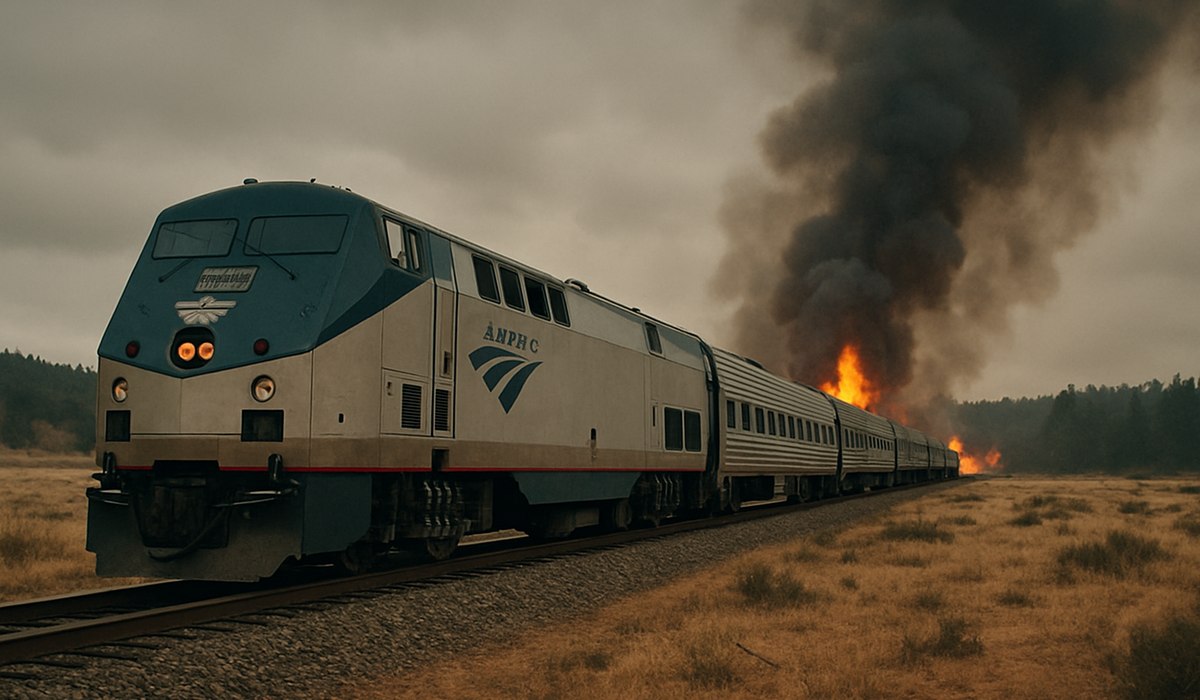
Image generated by AI
Amtrak Riders Trapped: How a Major Wildfire Halted Florida Rail Service
Hundreds of Amtrak riders trapped aboard immobilized trains for nearly 24 hours across central and northeast Florida after a catastrophic wildfire in April 2026 forced rail operators to halt long-distance service. The incident unfolded when the Crews Road Fire and related wildfires burned along critical rail corridors near Clay and Putnam counties, creating hazardous conditions that left passengers stranded without adequate supplies in rural stretches of track. The statewide transportation disruption affected multiple Amtrak services, including the Silver Meteor route connecting New York to Miami and the Auto Train service between Sanford and Lorton, Virginia.
Wildfire Along Key Rail Corridor Brings Trains to a Halt
The April 2026 wildfire outbreak across Florida escalated rapidly as dry, windy conditions and low humidity created perfect fire-spreading circumstances. According to the Florida Forest Service, thousands of acres burned near Green Cove Springs and DeLand, with containment efforts struggling against advancing flames. Rail dispatch operations made the difficult decision to halt train movements rather than risk passenger safety by operating through active fire zones with heavy smoke, falling debris, and unpredictable ember activity.
The Crews Road Fire burned dangerously close to major rail corridors that thousands of daily commuters and long-distance travelers depend on. Multiple Amtrak services ground to a standstill as freight and passenger lines shut down simultaneously. This created a transportation bottleneck affecting not only Amtrak riders but also freight logistics across the entire southeastern United States. Regional fire maps published by emergency management officials showed dozens of active hot spots, making real-time decisions about track reopening extremely complex.
Learn more about current Amtrak service updates and real-time alerts to stay informed about potential disruptions.
Passengers Face Overflowing Toilets, Limited Water and Rising Heat
The human cost of the nearly 24-hour delay became apparent as onboard conditions deteriorated rapidly. Amtrak riders trapped on the Silver Meteor and other long-distance trains near DeLand reported that portable water supplies ran critically low within the first 12 hours. Toilets began backing up as holding tanks reached capacity, forcing crews to restrict water usage further.
Passengers described crowded coaches with minimal ventilation as external temperatures climbed into the mid-80s Fahrenheit. When locomotives powered down to conserve fuel, interior temperatures rose uncomfortably. Families traveling with children struggled through multiple nights without clear information about when trains would resume movement. Many riders only discovered the scale of the wildfire crisis after regaining cell service once trains eventually departed.
Amtrak issued service alerts classifying the incident as a significant disruption but initially provided limited transparency about timeline expectations. Social media posts from affected travelers described anxiety, frustration, and concerns about missed medical appointments and vacation plans. Some passengers reported their trains remained stationary for 18 to 24 consecutive hours in remote locations without access to nearby stations or relief services.
Statewide Transportation Disruption Across Multiple Sectors
The wildfire impact extended far beyond Amtrak riders trapped on individual trains. The Auto Train service between Sanford, Florida and Lorton, Virginia faced complete cancellations on April 20 and 21. The Silver Meteor route operated only as far north as Jacksonville in certain directions, with Miami-bound service suspended indefinitely. The Floridian route between Chicago and Miami was rerouted through Savannah, Georgia, keeping trains away from the most active fire zones.
Amtrak offered substitute bus connections for some route segments, particularly between Jacksonville and South Florida destinations. However, buses could not immediately reach trains stranded in remote track stretches, leaving riders dependent on rail reopening. Infrastructure inspection crews worked around the clock to identify heat damage and clear debris from the right of way before resuming service. Multiple departures scheduled for April 21 faced preemptive cancellation as engineers assessed track integrity and safety conditions.
For booking assistance during disruptions, consider using Trainline's flexible rebooking options for managed rail travel across North America.
What Happens Next: Rail Safety Protocols and Recovery
Transportation officials and Amtrak management launched comprehensive reviews of emergency protocols following the April 2026 wildfire event. The incident exposed vulnerabilities in how rail operators communicate with stranded passengers and respond to cascading service disruptions. Industry discussions now focus on pre-positioning emergency supplies, improving real-time passenger communication systems, and establishing clearer evacuation procedures.
Wildfire season across the American South traditionally peaks during late spring and summer months. Railways operating through fire-prone regions are now considering increased monitoring systems and vegetation management programs along track corridors. Climate patterns suggest that extreme fire conditions may become more frequent, requiring rail operators to upgrade contingency planning and emergency response capabilities.
Key Data Points from the April 2026 Wildfire Incident
| Metric | Details |
|---|---|
| Passengers Affected | Hundreds aboard multiple stranded trains |
| Duration of Stranding | Nearly 24 hours |
| Primary Route Impacted | Silver Meteor (New York to Miami) |
| Secondary Routes Affected | Auto Train, Floridian service |
| Wildfire Location | Clay and Putnam counties, northeast Florida |
| Acres Burned | Thousands across multiple fire zones |
| Closest Fire to Tracks | Crews Road Fire near Green Cove Springs |
| Service Suspension Duration | April 20-21, 2026 |
| Substitute Transportation | Bus connections offered (limited availability) |
| Primary Passenger Complaint | Water shortage, toilet failure, heat exposure |
What This Means for Travelers
Amtrak riders trapped during the April 2026 wildfire have sparked important conversations about rail travel resilience. Here are actionable steps for future journeys:
-
Check service alerts before traveling: Review Amtrak's website for wildfire warnings and service disruptions in regions where you plan to travel.
-
Book travel insurance: Comprehensive rail travel protection covers rebooking costs if service interruptions occur.
-
Carry emergency supplies: Pack extra water, snacks, medications, and entertainment for potential extended delays.
-
Download offline maps: Store regional maps and emergency contact numbers on your phone before boarding.
-
Communicate your itinerary: Share travel plans with family members who can monitor news updates if communication becomes difficult.
-
Consider alternative routes: During high-fire-danger seasons, explore backup transportation options or route variations.
Frequently Asked Questions About Amtrak Travel and Wildfire Disruptions
Q: What should I do if my Amtrak train stops unexpectedly? A: Stay calm and await official announcements from crew members. Conserve water and ration supplies. Contact Amtrak customer service via satellite phone if available. Do not attempt to leave the train without authorization.
Q: Are Amtrak riders compensated for extended delays caused by wildfires? A: Amtrak may offer travel credits or rebooking on future trains. Document your journey and file formal claims through Amtrak's customer relations department. Compensation policies vary based on circumstances.
Q: How can I receive real-time alerts about rail service disruptions? A: Subscribe to Amtrak's email notification system and download the Amtrak mobile app. Follow official Amtrak social media accounts for immediate service updates.
Q: Should I avoid traveling through Florida during wildfire season? A: Rail service continues, but research seasonal fire patterns. Travel during cooler months when wildfire risk decreases significantly. Check forecasts before booking spring or summer journeys.
Related Travel Guides
Disclaimer
This article is for informational and educational purposes only. It does not constitute legal, financial, or professional advice. While we strive to provide accurate and up-to-date information, travel policies, regulations, and conditions change rapidly. Always verify information with official sources before making travel decisions. Nomad Lawyer makes no representations about the accuracy, reliability, completeness, or suitability of the information provided. Readers should consult qualified professionals for advice specific to their circumstances. The views expressed in this article are those of the author and do not necessarily reflect the views of Nomad Lawyer.
Kunal K Choudhary
Co-Founder & Contributor
A passionate traveller and tech enthusiast. Kunal contributes to the vision and growth of Nomad Lawyer, bringing fresh perspectives and driving the community forward.
Learn more about our team →