
Amtrak Riders Trapped Nearly 24 Hours in Florida Wildfire Crisis
Hundreds of Amtrak passengers endured nearly 24 hours stranded aboard the Silver Meteor train in 2026 after fast-moving Florida wildfires forced rail corridor closures, exposing critical communication and onboard condition failures.

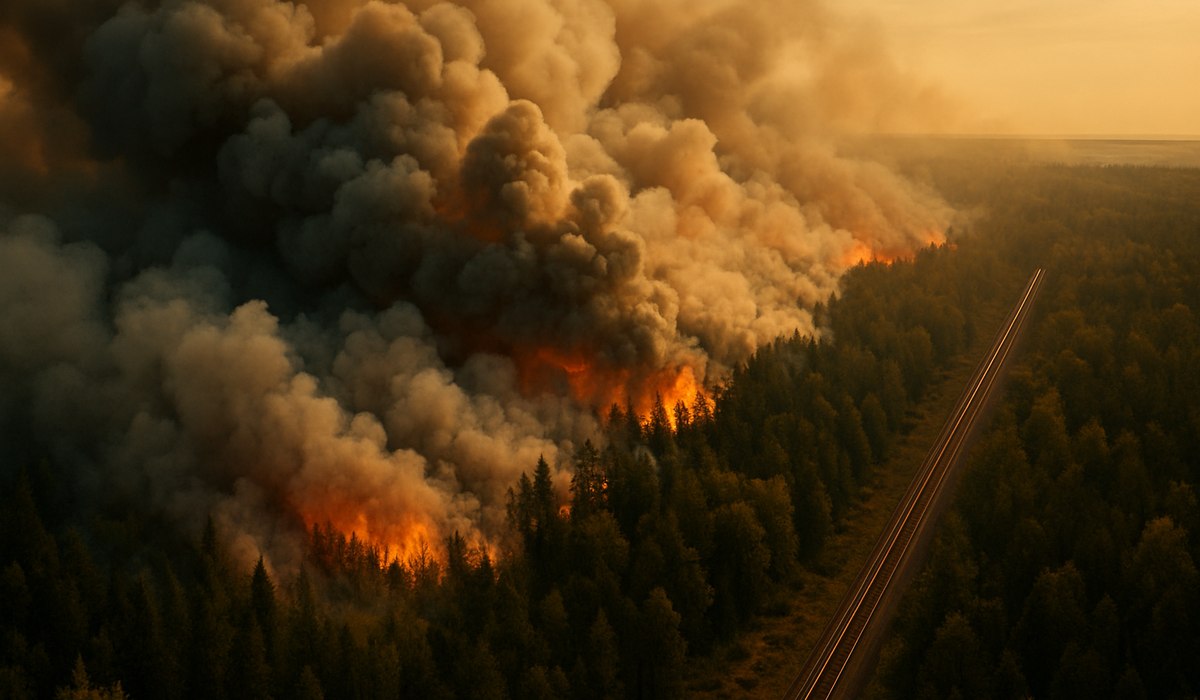
Image generated by AI
Hundreds of Amtrak Riders Trapped as Florida Wildfires Paralyze Rail Service
Amtrak riders trapped aboard the Silver Meteor faced nearly 24 hours of deteriorating conditions when fast-moving wildfires forced an emergency shutdown of the critical northeast Florida rail corridor on April 20, 2026. The incident affected hundreds of passengers traveling between Miami and New York, exposing significant communication breakdowns and inadequate contingency planning. The crisis highlighted how regional wildfire events cascade into nationwide transportation disruptions, stranding families, elderly travelers, and business passengers with minimal information and dwindling supplies.
Wildfires Paralyze North Florida Rail Corridor
Brush fires ignited near the Clay County and Putnam County line in north Florida during April 2026, one of the state's most active wildfire seasons. The flames spread across several thousand acres with terrifying speed, driven by hot, dry, and windy weather conditions that limited containment efforts.
Rail dispatchers and fire agencies implemented immediate safety protocols, blocking access to Amtrak's primary north-south routes as smoke encroached on the right-of-way. Visibility dropped to dangerous levels, forcing railroad officials to halt all train movements pending wildfire assessment. Multiple Amtrak services experienced disruptions, including the Auto Train connecting Sanford, Florida, to Lorton, Virginia. For current information on Florida rail status, travelers should consult Amtrak's official service alerts.
Silver Meteor Train Stranded Near Jacksonville
Amtrak's Silver Meteor service, operating as Train 98 from Miami toward New York, became the focal point of the crisis when it halted near Jacksonville. The train remained stationary or moved only short distances for nearly a full day as fire crews assessed conditions and smoke cleared from the rail line.
The Silver Meteor typically operates a 30-hour journey covering 1,600 miles with stops in Jacksonville, Savannah, Fayetteville, and Washington D.C. before reaching Penn Station in New York. During the April 2026 incident, passengers found themselves stranded in a remote area with no clear timeline for resuming travel. For booking future Silver Meteor journeys with confidence, visit Trainline's Amtrak booking platform to compare fares and check real-time service status.
Passengers Report Deteriorating Onboard Conditions
As delays extended beyond 20 hours and approached the full 24-hour mark, social media posts and local news interviews revealed increasingly dire conditions aboard the stranded train. Restroom facilities became unusable as holding tanks filled to capacity. Running water became scarce, and food and beverage supplies dwindled as the kitchen exhausted its provisions.
Families traveling with young children faced particular hardship, as did elderly passengers requiring medications and mobility assistance. Many passengers reported being instructed not to disembark due to safety concerns—both from active fires nearby and trespassing restrictions along the rail right-of-way. This created a tension between legitimate safety protocols and passenger welfare during an extended crisis. The experience sparked widespread criticism of Amtrak's contingency planning for extreme weather events, with travelers questioning why backup supplies, portable sanitation options, or bus transfers weren't mobilized once the stoppage extended beyond a few hours.
Amtrak's Response and Service Disruptions
Amtrak issued service adjustments across the entire Florida network on April 20 and 21, 2026. Some northbound trains were reversed to their origin terminals, forcing passengers to rebook or await alternative departures. Other services were terminated short of their normal endpoints, with limited bus connections substituting where roads remained passable.
By April 21, as fire crews gained control over the largest blazes, Amtrak gradually resumed scheduled service through central Florida. However, certain departures remained canceled or significantly delayed as operators monitored smoldering areas, air quality, and track conditions. The vulnerability became clear: many rail corridors rely on single main lines through forested or rural landscapes, meaning even localized wildfires can halt traffic for days and disrupt schedules across the entire network.
How to Book the Best Fare
When booking Amtrak journeys through fire-prone regions, strategic timing and platform selection can yield significant savings while ensuring travel flexibility.
Book 21 days in advance: Amtrak offers the lowest fares to passengers who purchase three weeks ahead. The Silver Meteor and other long-distance routes typically release promotional pricing during off-peak travel windows (September-October and January-March).
Compare prices on multiple platforms: Trainline.com aggregates Amtrak fares alongside regional carriers, often displaying real-time discounts unavailable on Amtrak.com directly. Use both sites to identify the lowest available rate.
Choose rail pass options for flexibility: The USA Rail Pass offers unlimited travel on most Amtrak routes for 15, 30, or 45 consecutive days. During wildfire season (May-October), passes provide greater flexibility to reschedule without penalty.
Purchase travel insurance: Given 2026's heightened wildfire activity, consider Amtrak's cancellation protection or third-party travel insurance covering weather-related disruptions. These policies cost 5-8% of the ticket price but safeguard against losing funds during extended delays or cancellations.
Monitor wildfire alerts before travel: Check the National Interagency Fire Center website before purchasing Florida-bound tickets during peak fire season. This simple step informs route selection and departure timing.
Key Data Points from the 2026 Florida Wildfire Rail Incident
| Metric | Details |
|---|---|
| Incident Date | April 20-21, 2026 |
| Route Affected | Amtrak Silver Meteor (Train 98, Miami to New York) |
| Passenger Count | Hundreds stranded (exact count not disclosed) |
| Stranding Duration | Nearly 24 hours (20+ hours documented) |
| Location | Near Jacksonville, FL; Clay/Putnam County border |
| Fire Acreage | Several thousand acres across north Florida |
| Services Disrupted | Silver Meteor, Auto Train, Miami-Jacksonville corridor routes |
| Restoration Timeline | Partial service resumed April 21; full service by April 22 |
| Sanitation Impact | Restroom facilities became unusable; water shortages reported |
| Communication Issues | Limited passenger updates; unclear timeline communicated |
What This Means for Travelers
The April 2026 Florida wildfire incident offers critical lessons for anyone planning rail travel through regions prone to extreme weather.
-
Pack emergency supplies: Carry bottled water, non-perishable snacks, medications, and entertainment for journeys through fire-prone corridors. Staff cannot always replenish supplies during extended stoppages.
-
Purchase flexible tickets: Select fare types allowing free changes or cancellations. The extra $15-30 investment protects against losing your entire ticket value if wildfires force cancellation.
-
Subscribe to real-time alerts: Enable push notifications from Amtrak's mobile app and sign up for email alerts from the National Interagency Fire Center. Early warning allows rebooking before widespread disruptions cascade.
-
Consider alternative routes: During peak wildfire season (May-October), compare journey times via coastal or inland alternatives. An extra 4-6 hours of travel may avoid fire-prone corridors entirely.
-
Document conditions during delays: Take photos and notes of restroom status, supply levels, and staff communications. This documentation supports claims for refunds or compensation if delays exceed
Raushan Kumar
Founder & Lead Developer
Full-stack developer with 11+ years of experience and a passionate traveller. Raushan built Nomad Lawyer from the ground up with a vision to create the best travel and law experience on the web.
Learn more about our team →