
America's Busiest Airports Could Become Next Immigration Battleground in 2026
The Trump administration is considering customs staffing cuts at America's busiest airports including JFK and Newark to enforce immigration compliance, threatening major travel disruptions in 2026.

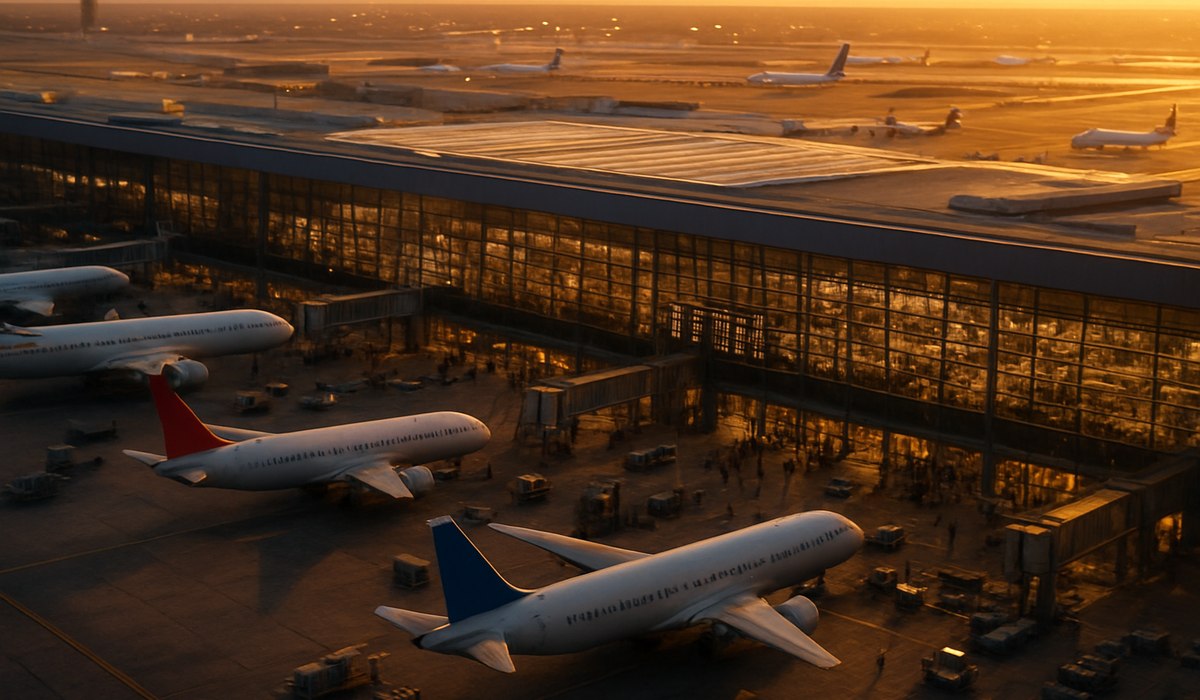
Image generated by AI
DHS Targets America's Busiest Airports Over Immigration Policy Disputes
The Department of Homeland Security is reportedly examining strategic customs service reductions at major U.S. transportation hubs to pressure sanctuary jurisdictions into compliance with federal immigration enforcement directives. Airport officials at John F. Kennedy International and Newark Liberty International have emerged as likely targets under this controversial policy approach. The potential cuts could create substantial delays for millions of annual passengers and compromise supply chain operations across North America's most critical trade corridors.
Which Airports Are in the Crosshairs?
America's busiest airports handle over 2.7 billion passengers annually, making them essential infrastructure for the national economy. DHS officials have identified multiple facilities as potential candidates for customs resource reallocation based on sanctuary city classifications. JFK Airport processes approximately 62 million travelers yearly, while Newark handles roughly 50 million passengers. LaGuardia, Boston Logan, and Philadelphia International are also under preliminary consideration. These facilities collectively represent the gateway for international arrivals from Europe, Asia, and Latin America. The strategically-timed threat comes amid broader tensions between the Trump administration and progressive-led municipalities over immigration enforcement priorities. View real-time airport operations on FlightAware to monitor potential service disruptions affecting your travel plans.
How Customs Cuts Would Disrupt Travel and Trade
Reducing customs personnel at America's busiest airports would immediately cascade into extended passenger queues, missed flight connections, and cargo processing bottlenecks. International arrivals already experience peak-hour waits exceeding four hours; further staffing reductions could double these delays. Airlines operating transatlantic and transpacific routes would face compounding scheduling conflicts. The cargo logistics sector—which moves $1.8 trillion annually through major hubs—would experience significant slowdowns affecting perishable goods, pharmaceuticals, and time-sensitive shipments. Connecting passengers would miss downstream flights, requiring rebooking on subsequent services. Tourism operators and business travelers would face substantial productivity losses and increased operational costs.
Customs and Border Protection currently operates under Congressional funding constraints, making strategic staffing redeployment a viable enforcement mechanism. However, the FAA and major carriers warn such action violates existing service level agreements. Ground handlers, fuel vendors, and catering contractors would experience cascading revenue impacts from flight delays and cancellations. International competitiveness for U.S. airlines could suffer as carriers reroute operations to Canadian or Mexican gateways with faster clearance processes.
The Political Strategy Behind the Threat
DHS considers customs staffing cuts a pressure tactic against mayors and governors refusing to comply with immigration detention cooperation protocols. The strategy weaponizes border security infrastructure to enforce broader federal-local policy alignment. Sanctuary cities argue these policies violate due process protections and strain local law enforcement resources. Administration officials frame staffing reductions as necessary resource optimization, though critics identify the timing as punitive.
Previous federal-local conflicts over immigration produced similar threats—including INS audit pressures and federal grant withholding. This marks the first instance of threatened customs disruption targeting commercial aviation. Legal challenges from airlines and airport operators are anticipated, focusing on interstate commerce violations and Administrative Procedure Act requirements. The strategy raises constitutional questions about federal authority to weaponize essential services as political coercion mechanisms.
What Airlines and Airports Are Saying
Major carriers serving America's busiest airports have issued joint statements opposing any unilateral customs reductions. The Airline Industry Association warned that staffing cuts would violate service guarantees and trigger force majeure provisions in lease agreements. Port authorities at JFK, Newark, and LaGuardia have formally petitioned DHS to abandon the proposal. Airport operators emphasize their non-immigration statutory roles and limited jurisdiction over city policies. United Airlines, American Airlines, and Delta Air Lines have collectively threatened capacity reductions if customs delays extend beyond current operational thresholds.
International carriers including British Airways, Lufthansa, and Air France have expressed concerns about competitive disadvantage. Canadian airport operators have quietly promoted their facilities as alternative gateways. The Transportation Security Administration has remained neutral, emphasizing security screening independence from CBP customs operations. Visit the U.S. Department of Transportation consumer advocacy page for official airline accountability procedures.
| Metric | Impact Scope | Current Status | Risk Level | Affected Population |
|---|---|---|---|---|
| America's busiest airports (JFK, Newark, LaGuardia) | 62M+ annual passengers | Under consideration | High | International travelers, business passengers |
| Customs processing times | +3-5 hours average delay | Proposal stage | Medium-High | Connecting passengers, cargo receivers |
| Transatlantic routes disrupted | 180+ daily flights | Contingency planning | Medium | EU business travelers, leisure visitors |
| Annual trade volume impact | $1.8 trillion cargo flow | Preliminary analysis | High | E-commerce, pharmaceutical, perishable sectors |
| International carrier operations | Revenue and scheduling conflicts | Risk assessment ongoing | Medium | Air France, Lufthansa, BA, international passengers |
| Federal-local litigation timeline | Constitutional review process | Early stage | Medium | Policy outcome determination |
Traveler Action Checklist
Immediate Steps to Protect Your Travel Plans
-
Monitor official updates by subscribing to DHS and FAA news alerts and bookmarking the Federal Aviation Administration website for real-time policy changes.
-
Verify your airline's contingency protocols by calling customer service and confirming rebooking policies if customs delays trigger missed connections.
-
Book flights with extended layovers (4+ hours) when connecting through JFK, Newark, or LaGuardia during potential implementation periods.
-
Obtain travel insurance covering delay reimbursement and alternative transportation if customs processing becomes prohibitively extended.
-
Consider alternative gateways including Boston Logan, Philadelphia International, or Toronto Pearson for international arrivals if policies activate.
-
Document your departure times and customs checkpoint entry times for potential compensation claims under DOT airline passenger rights regulations.
-
Review airline terms and conditions regarding force majeure policy applicability to customs-related delays and cancellations.
What This Means for Travelers
The potential customs staffing reductions at America's busiest airports could fundamentally alter international travel logistics for months or longer. Passengers should expect cumulative delays of 3-7 hours during peak travel windows. Business travelers may need to recalibrate meeting schedules and account for extended buffer times. International visitors should plan arrivals 24 hours earlier than current practices suggest. Tourism revenue for sanctuary cities could decline as travelers redirect trips to alternative domestic and international destinations.
Families traveling with children should factor extended airport dwell times into accessibility and comfort planning. Elderly passengers may require mobility assistance during prolonged customs queue experiences. Students on visa programs should coordinate arrival timing with university orientations. The broader economic ripple includes increased hospitality costs for hotels near origin airports, airline rebooking revenue losses, and retail shopping opportunity costs.
FAQ
Q: Which America's busiest airports are most affected by the proposed customs cuts?
A: John F. Kennedy International, Newark Liberty International, and LaGuardia serve as primary targets. These facilities process approximately 150+ million passengers annually. Secondary consideration includes Boston Logan, Philadelphia International, and San Francisco International. The threat specifically targets sanctuary city jurisdictions, so affected airports correlate with municipal immigration policy resistance.
Q: How long would customs delays realistically extend if staffing reductions activate?
A: Current average processing times of 45-90 minutes could extend to 3-5 hours during peak arrival windows. International flight banks arriving simultaneously would create compound queue effects. Actual durations depend on implementation scope, seasonal passenger volumes, and staffing reduction percentages. Weekend travel would experience disproportionate delays.
**Q: What passenger rights exist if my flight is delayed or cancelled due to customs staff
Disclaimer
This article is for informational and educational purposes only. It does not constitute legal, financial, or professional advice. While we strive to provide accurate and up-to-date information, travel policies, regulations, and conditions change rapidly. Always verify information with official sources before making travel decisions. Nomad Lawyer makes no representations about the accuracy, reliability, completeness, or suitability of the information provided. Readers should consult qualified professionals for advice specific to their circumstances. The views expressed in this article are those of the author and do not necessarily reflect the views of Nomad Lawyer.
Preeti Gunjan
Contributor & Community Manager
A passionate traveller and community builder. Preeti helps grow the Nomad Lawyer community, fostering engagement and bringing the reader experience to life.
Learn more about our team →