
Controversial Security Program: TSA's Public-Private Initiative Launches in 2026
TSA launches controversial public-private security program in 2026 to accelerate airport screening and reduce shutdown delays. The initiative sparks debate among travelers and privacy advocates over implementation and data protection concerns.

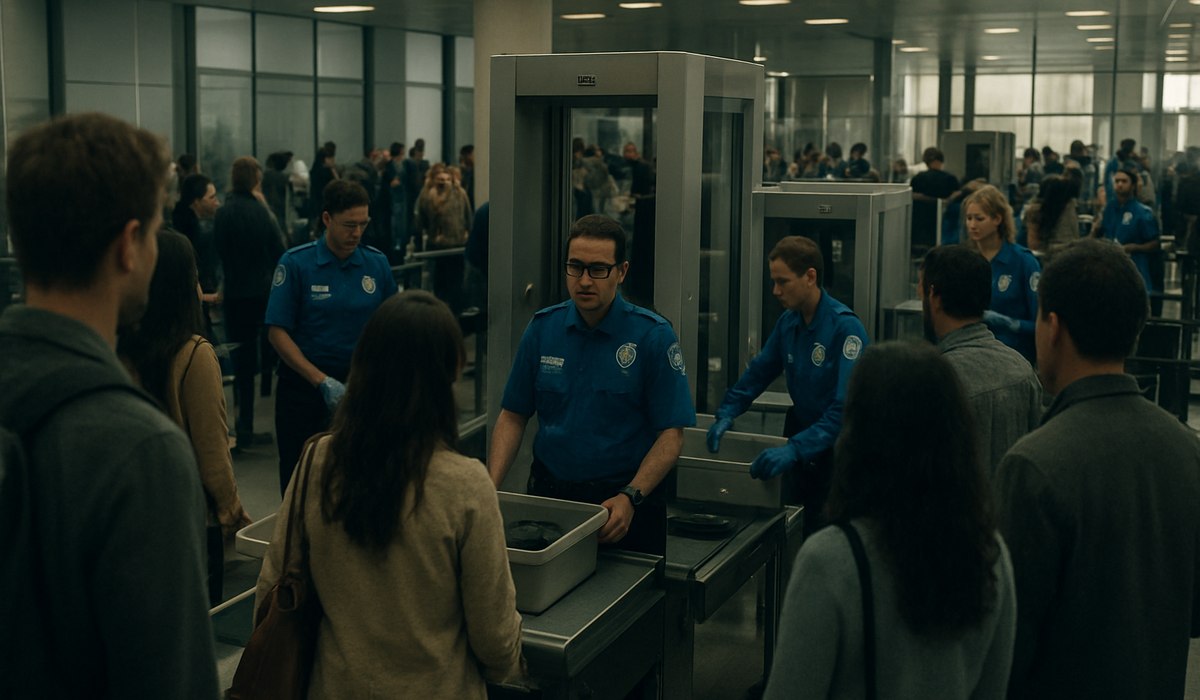
Image generated by AI
TSA Unveils Controversial Security Program Amid Ongoing Debates
The Transportation Security Administration unveiled its latest controversial security program this week—a public-private partnership designed to streamline airport screening processes and mitigate delays caused by recent federal disruptions. The initiative represents a significant shift in how airports nationwide manage traveler flow, combining government oversight with private-sector operational efficiency. Announced on May 23, 2026, the program has already generated mixed reactions from frequent flyers, privacy advocates, and industry stakeholders concerned about implementation timelines and data governance protocols.
What Is TSA's New Public-Private Security Program?
The controversial security program operates as a hybrid model where private contractors work alongside TSA officers at designated airport checkpoints. Rather than replacing federal agents, the initiative augments existing personnel with trained security staff employed by vetted private firms. These contractors handle preliminary passenger screening, document verification, and basic security assessments before TSA officers conduct standard baggage and body scanning procedures.
The program targets 47 major U.S. airports initially, with plans to expand to smaller regional hubs by 2027. Participating airports include major travel hubs like Atlanta Hartsfield-Jackson, Los Angeles International, and Chicago O'Hare. The controversial security program aims to reduce average checkpoint wait times by 40-50%, according to TSA projections. More information about this initiative is available through the official TSA website.
How This Controversial Security Program Affects Travelers and Wait Times
Travel disruptions from recent federal shutdowns have created significant bottlenecks at security checkpoints nationwide. The controversial security program directly addresses this capacity issue by introducing additional screening lanes staffed by trained private personnel. Airports implementing the initiative report preliminary reductions in wait times during peak travel hours.
However, deployment remains uneven across facilities. Larger airports with adequate space for additional screening infrastructure have experienced smoother transitions. Smaller regional airports face logistical challenges accommodating new checkpoint configurations. Travelers at participating locations should expect temporary operational adjustments during the first 60-90 days of implementation. The TSA continues monitoring performance metrics and adjusting staffing levels based on traffic patterns and traveler feedback.
Privacy and Criticism Concerns Surrounding This Controversial Security Program
Privacy advocates have raised substantial concerns about the controversial security program's data-handling practices. Critics worry that private contractors may lack the same legal accountability as federal TSA agents. Questions surround what personal information contractors access, how long data is retained, and whether information gets shared with third parties for commercial purposes.
The American Civil Liberties Union has called for enhanced transparency regarding contractor vetting procedures and oversight mechanisms. Labor unions representing TSA officers expressed concerns about potential job displacement and training standards for private screeners. Some travelers report discomfort with non-federal agents handling sensitive documents and personal information. Congressional committees have requested detailed documentation of privacy safeguards and contractor accountability frameworks. For comprehensive privacy guidance, consult the ACLU's transportation security resources.
What Travelers Need to Know About the Controversial Security Program
Participation in the controversial security program remains optional for most airports during the initial rollout phase. Travelers can request to proceed through traditional TSA-only checkpoints at participating facilities. However, some busy airports may phase out non-contracted lanes as the program becomes standard operations. Documentation requirements remain unchanged—passengers must still provide valid identification and boarding passes to all screening personnel, whether federal or private contractors.
Travelers should expect identical security standards regardless of checkpoint type. The controversial security program doesn't modify TSA's screening protocols, prohibited items lists, or liquid restrictions. Wait times may vary significantly depending on implementation phase and airport-specific factors. Frequent business travelers should monitor their home airport's rollout timeline, as checkpoint configurations may change monthly during the six-month adjustment period.
| Aspect | Details | Impact on Travelers |
|---|---|---|
| Program Launch Date | May 23, 2026 | Immediate changes at 47 airports |
| Initial Airport Coverage | 47 major U.S. hubs | Most frequent flyers affected |
| Private Contractor Role | Preliminary screening and document verification | Two-step security process |
| Expected Wait Time Reduction | 40-50% during peak hours | Faster checkpoint passages |
| Opt-Out Availability | Available at most participating airports | Passengers can choose traditional lanes |
| Privacy Oversight Level | Contractor accountability frameworks pending | Enhanced scrutiny recommended |
| Full Expansion Timeline | Extended to regional airports by 2027 | Nationwide implementation likely |
What This Means for Travelers
The controversial security program introduces both opportunities and considerations for airport travelers navigating 2026 and beyond.
-
Expect variable wait times. Some airports will see dramatic improvements while others manage transitions slowly. Check your departure airport's specific implementation status before arriving.
-
Understand your rights. You can request traditional TSA-only screening at most participating locations. Know that security standards remain identical regardless of checkpoint type.
-
Prepare documentation carefully. Both federal and private screeners require valid identification and boarding passes. Have these documents readily accessible to expedite processing.
-
Monitor airport updates. Subscribe to your home airport's notifications regarding checkpoint configuration changes and optimal travel times during peak periods.
-
Consider travel time adjustments. While preliminary data suggests improved efficiency, plan extra time during initial implementation phases at your departure airport.
-
Stay informed on privacy. Review official TSA communications about contractor oversight mechanisms and data protection protocols before traveling through participating airports.
Frequently Asked Questions About This Controversial Security Program
Q: Will private security contractors replace TSA agents at airport checkpoints?
No. The controversial security program supplements existing TSA staffing rather than replacing federal officers. Private contractors handle preliminary screening steps while TSA agents conduct standard baggage scanning and body screening. Both roles work sequentially to process passengers through security.
Q: Can I opt out of screening by private contractors at participating airports?
Yes. Most participating airports maintain traditional TSA-only lanes where travelers can proceed through security with federal agents exclusively. However, during peak travel times, wait times in these lanes may be significantly longer than contractor-staffed checkpoints.
Q: How are private security contractors vetted and trained?
The controversial security program requires participating contractors to meet TSA training standards and pass federal background checks. Contract companies must comply with TSA oversight and maintain performance metrics. However, specific vetting procedures and ongoing accountability mechanisms remain subjects of ongoing oversight review.
Q: Which airports currently participate in this controversial security program?
Initial rollout includes 47 major U.S. airports, with expansion planned through 2027. Check the TSA website for the complete list of participating facilities and implementation dates specific to your departure airport.
Related Travel Guides
- World Hospitality Industry Adjusts 2026 Expectations: FIFA Cup Impact
- Mexico Economic Outlook 2026: Growth Slowdown and Nearshoring Paradox
- Virginia’s Secret Side: 8 Highly Underrated Historic Towns You Need to Visit in 2026
Disclaimer
This article reports on the TSA's controversial security program as announced in May 2026. Information reflects publicly available statements from the Transportation Security Administration and independent news sources. For the most current details about the controversial security program, visit the official TSA website or contact your specific airport's operations department. Privacy policies and contractor arrangements may vary by airport jurisdiction. Travel plans should account for variable implementation timelines across different facilities. Please verify current procedures with your airline and departure airport before traveling, as checkpoint configurations and wait time estimates continue evolving during the program's rollout phase.
Disclaimer
This article is for informational and educational purposes only. It does not constitute legal, financial, or professional advice. While we strive to provide accurate and up-to-date information, travel policies, regulations, and conditions change rapidly. Always verify information with official sources before making travel decisions. Nomad Lawyer makes no representations about the accuracy, reliability, completeness, or suitability of the information provided. Readers should consult qualified professionals for advice specific to their circumstances. The views expressed in this article are those of the author and do not necessarily reflect the views of Nomad Lawyer.
Raushan Kumar
Founder & Lead Developer
Full-stack developer with 11+ years of experience and a passionate traveller. Raushan built Nomad Lawyer from the ground up with a vision to create the best travel and law experience on the web.
Learn more about our team →