
American Food Culture Shocks FIFA World Cup 2026 Tourists—Giant Portions, Free Refills Go Viral
International visitors to the 2026 FIFA World Cup are documenting their first encounters with American food culture, from Texas barbecue to free drink refills, creating a viral social media phenomenon.

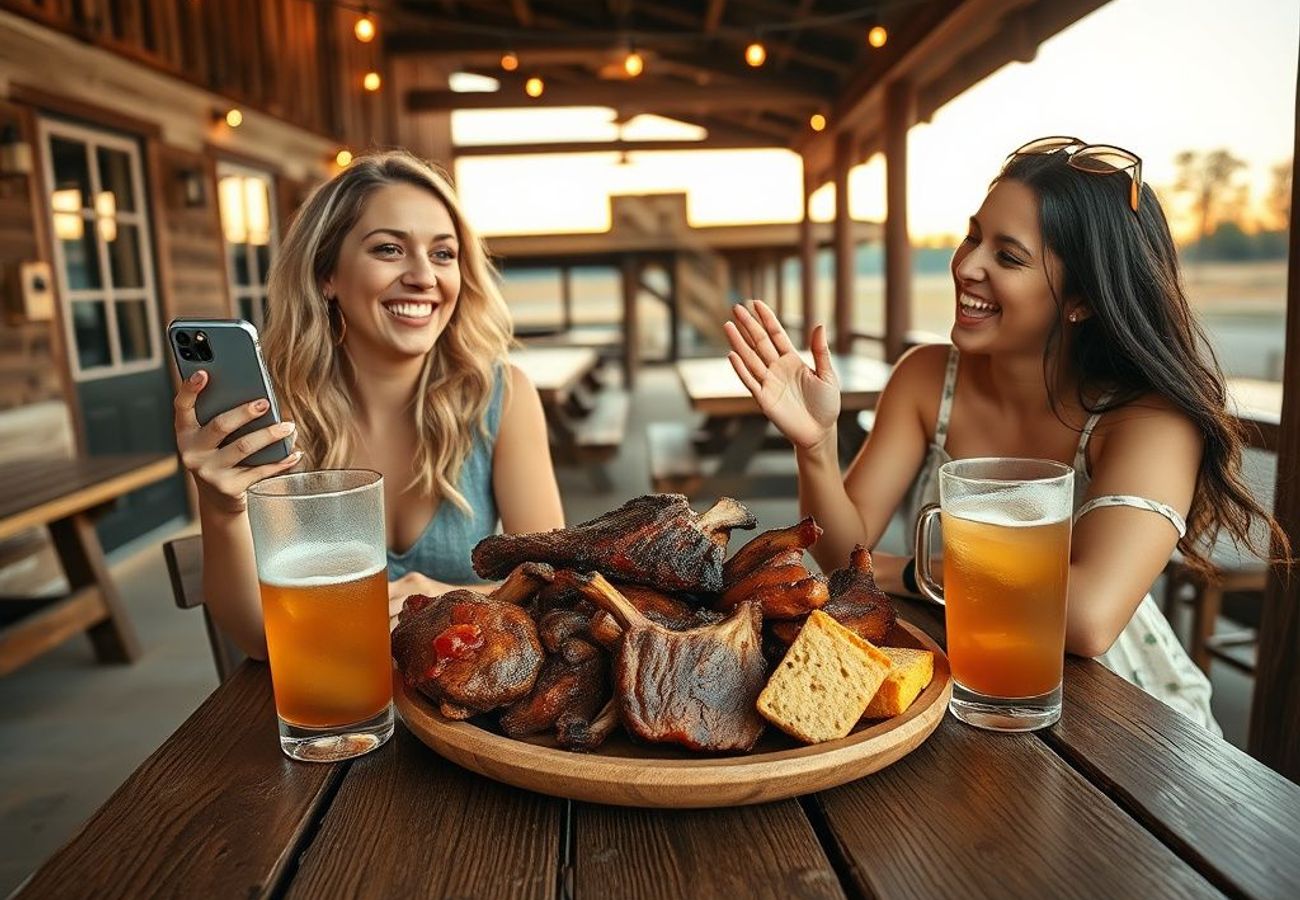
Image generated by AI
As FIFA World Cup 2026 unfolds across 11 host cities in the United States, something unexpected is stealing the spotlight from the football pitch. Thousands of international visitors are experiencing American food culture for the first time—and they're documenting every oversized portion, every complimentary drink refill, and every bewildered expression on video.
The result? A viral phenomenon that's reshaping how the world sees American dining.
When Barbecue Meets Jet Lag: First Encounters With American Scale
From Dallas to Kansas City to Seattle, international tourists are settling into host cities and immediately discovering that American food operates by a completely different playbook. One widely shared video captures a Japanese tourist's genuine shock as he samples authentic Texas barbecue for the first time. His reaction—eyes widening at the sheer volume of slow-cooked meat on his plate—has resonated across social media platforms worldwide.
"This World Cup is doing more for international relations than politics," one X user commented in response to these food discovery videos.
The pattern is unmistakable. European visitors marvel at grocery store aisles bursting with options. Japanese tourists photograph their Texas plates with the same reverence typically reserved for Michelin-starred restaurants. British fans express bewilderment at portion sizes that dwarf their home country equivalents.
Reddit: "Honestly, watching people from other countries enjoy our food is more entertaining than the World Cup itself." — r/travel
The Buc-ee's Phenomenon: When A Gas Station Becomes A Pilgrimage Site
Few American establishments have captured international tourist attention quite like Buc-ee's, the legendary chain of travel centres that blurs the line between convenience store and theme park. One viral clip shows a British visitor stepping into a Buc-ee's location and immediately freezing in astonishment.
"There are like 60 different petrol pumps," he exclaims, panning across an impossibly vast parking area.
The footage showcases not just the petrol infrastructure but the sprawling retail empire inside: endless snack varieties, fresh sandwiches, branded merchandise, and facilities so meticulously maintained they've achieved near-mythical status online. For international visitors accustomed to modest petrol station offerings, Buc-ee's registers as a cultural monument.
"America isn't what the media makes it out to be. Watching all of the World Cup visitors experiencing American culture and having fun is such a wholesome sight," another commenter wrote.
Free Refills: The Discovery That Rewired Global Expectations
Perhaps no American dining feature has mystified international visitors more than the concept of free drink refills. European tourists, in particular, express genuine shock—and delight—at returning to the counter for unlimited soft drink refills at no additional cost.
One viral video captures a visitor calling the practice "magical," a reaction that's been echoed across countless social media posts. For visitors from regions where beverage refills carry extra charges, this single feature has become emblematic of American abundance and hospitality.
The sheer novelty has spawned memes, inspired countless TikTok videos, and created a narrative thread connecting individual dining experiences to larger questions about consumer culture and national identity.
Chains Go International: When Taco Bell Becomes a Rite of Passage
Taco Bell, Chick-fil-A, Waffle House, Buffalo Wild Wings, and Chipotle have emerged as unexpected celebrities in the World Cup social media ecosystem. One German fan's video exploring these chains accumulated over 2.8 million views on X alone—a staggering figure for content about fast-food restaurants.
Taylor Montgomery, global chief brand officer at Taco Bell, acknowledged this phenomenon to ABC News: "For many international visitors, a Taco Bell run is practically a rite of passage. Exposure through films and social media builds anticipation long before travellers arrive."
Videos show visitors simultaneously amused and overwhelmed by product variety—ice cream flavours numbered in the dozens, cheese packages sized for small families, merchandise selection that extends far beyond what foreign convenience stores offer.
The Restaurant Industry Embraces the Moment
Michelle Korsmo, CEO and president of the National Restaurant Association, told ABC News that hospitality establishments across the United States had been specifically preparing for this influx of global diners. She emphasized that restaurants recognized the unique opportunity to showcase American dining culture during a major international event.
"The enthusiasm seen on social media reflects what is happening across dining tables in host cities," Korsmo noted to ABC News. The communal joy of sharing meals during a major sporting event has created unexpected cultural diplomacy at the table level.
When Cultural Exchange Happens Over Burgers and BBQ
The 2026 FIFA World Cup was always going to be about football. International matches, athletic prowess, national pride—these remain the tournament's foundational elements. But an unexpected secondary narrative has emerged: American food culture as a gateway to understanding American life.
These food discoveries are becoming inseparable from the World Cup story itself. Stadium experiences are being matched—sometimes exceeded—by reactions to restaurant chains, grocery stores, and roadside establishments. What started as casual tourists documenting meals has evolved into a genuine cultural exchange happening in real time across social media.
The tournament is demonstrating, perhaps accidentally, that globalization operates not just through politics and commerce but through the simple act of sitting down to eat.
The World Cup 2026 will be remembered for magnificent goals, unlikely victories, and the moment international tourists discovered that American portions aren't just big—they're a philosophy.
Related Travel Guides
Disclaimer
This article is for informational and educational purposes only. It does not constitute legal, financial, or professional advice. While we strive to provide accurate and up-to-date information, travel policies, regulations, and conditions change rapidly. Always verify information with official sources before making travel decisions. Nomad Lawyer makes no representations about the accuracy, reliability, completeness, or suitability of the information provided. Readers should consult qualified professionals for advice specific to their circumstances. The views expressed in this article are those of the author and do not necessarily reflect the views of Nomad Lawyer.
Raushan Kumar
Founder & Lead Developer
Full-stack developer with 11+ years of experience and a passionate traveller. Raushan built Nomad Lawyer from the ground up with a vision to create the best travel and law experience on the web.
Learn more about our team →