
American Airlines, Delta, and United Implement 'P2' Pricing Models Charging Solo Travelers Up to 70% More in 2026
Analysis reveals major U.S. carriers are using 'P2' fare rules to penalize solo travelers, with some domestic routes seeing price hikes of 68.6% compared to group bookings.

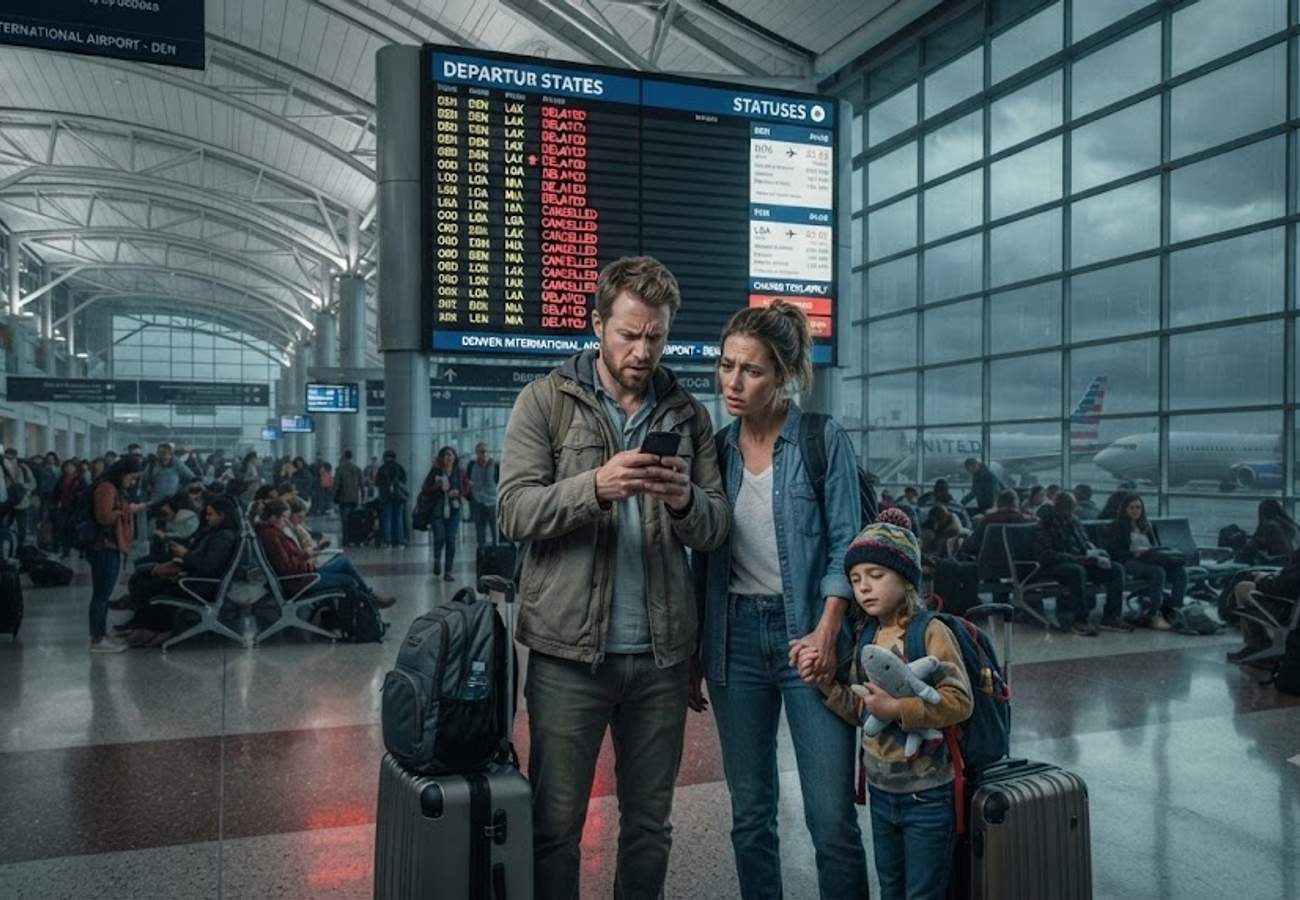
Image generated by AI
Major U.S. carriers have introduced a controversial pricing strategy that effectively penalizes passengers booking single tickets. Analysis indicates that solo travelers are paying significantly higher fares than those booking in groups of two or more for the exact same flights.
The Disruption Details: The Rise of "P2" Pricing
Data uncovered by travel analysis systems reveals a shift in fare structures at American Airlines, United Airlines, and Delta. This tactic, internally referred to as "P2" (Passenger 2), restricts the lowest available fare classes to bookings containing at least two passengers.
Under these rules, a discounted ticket may require the passenger to be "accompanied on all sectors in the same compartment by at least 1 adult 15 or older." Consequently, solo travelers are locked out of these cheaper brackets, regardless of seat availability.
Flight & Airport Impact Breakdown
Flight tracking and fare analysis show that this pricing is most prevalent on short-haul domestic routes and regional legs where business travel is frequent.
Documented Fare Discrepancies:
| Airline | Route | Solo Fare | Fare for 2+ Passengers | Price Increase (%) |
|---|---|---|---|---|
| Delta | Minneapolis–St. Paul (MSP) $\rightarrow$ Miami (MIA) | $199 | $118 per person | 68.6% |
| United | Chicago O’Hare (ORD) $\rightarrow$ Peoria (PIA) | $269 | $181 per person | 48.6% |
| American | Charlotte (CLT) $\rightarrow$ Fort Myers (RSW) | $422 | $266 per person | 58.6% |
Our analysis indicates that American Airlines appears to be leading the implementation of this model, while United Airlines has reportedly begun to walk back the policy following public scrutiny.
Passenger Rights & Advisory (Information Gain)
Passengers facing these inflated fares should be aware that while "dynamic pricing" is generally legal, transparency regarding fare conditions is required.
Actionable Steps to Avoid Solo Upcharges:
- The "Ghost Passenger" Test: Search for two passengers instead of one. If the price per person drops significantly, you have identified a P2 fare restriction.
- Verification of Fare Rules: Check the "Fare Rules" or "Terms and Conditions" during the booking process for language requiring an accompanying adult.
- Direct Intervention: Contact the airline's reservation desk. If a fare is restricted to groups, request a manual override or a price match based on the group rate.
- Utilize Tracking Tools: Use Google Flights, Hopper, or Thrifty Traveler to monitor if the price discrepancy is consistent across dates or specific to a single flight.
Compensation and Rebooking Rights: While these pricing models are not "delays" or "cancellations" covered by EU261/2004, U.S. Department of Transportation (DOT) guidelines require airlines to be transparent about fees. If an airline advertises a "starting at" price that is mathematically impossible for a solo traveler to achieve, it may constitute deceptive advertising. Passengers should document screenshots of the price difference and file a formal complaint with the DOT Aviation Consumer Protection Division.
Industry Analyst View
The strategic shift toward P2 pricing suggests that airlines are moving away from simple demand-based pricing toward behavioral segmentation. By targeting solo travelers—who are statistically more likely to be corporate travelers with flexible budgets—carriers are attempting to extract maximum revenue from the least price-sensitive demographic.
This approach flips the traditional group-booking model, where groups often paid more if the lowest fare bucket only had one seat left. By rewarding groups and penalizing individuals, airlines are testing the elasticity of the solo traveler market. If this remains undetected or unchallenged, it could become a permanent fixture of domestic aviation revenue management.
Solo travelers must remain vigilant and document pricing disparities to prevent these hidden upcharges from becoming industry standard.
Related Travel Guides
Disclaimer
This article is for informational and educational purposes only. It does not constitute legal, financial, or professional advice. While we strive to provide accurate and up-to-date information, travel policies, regulations, and conditions change rapidly. Always verify information with official sources before making travel decisions. Nomad Lawyer makes no representations about the accuracy, reliability, completeness, or suitability of the information provided. Readers should consult qualified professionals for advice specific to their circumstances. The views expressed in this article are those of the author and do not necessarily reflect the views of Nomad Lawyer.
Preeti Gunjan
Contributor & Community Manager
A passionate traveller and community builder. Preeti helps grow the Nomad Lawyer community, fostering engagement and bringing the reader experience to life.
Learn more about our team →