
American Airlines Kills Free Upgrades: What Elite Flyers Need to Know
American Airlines has dismantled its free upgrade system for elite members, pivoting to a paid model that fundamentally reshapes loyalty rewards. Here's what frequent flyers should know about the seismic shift.

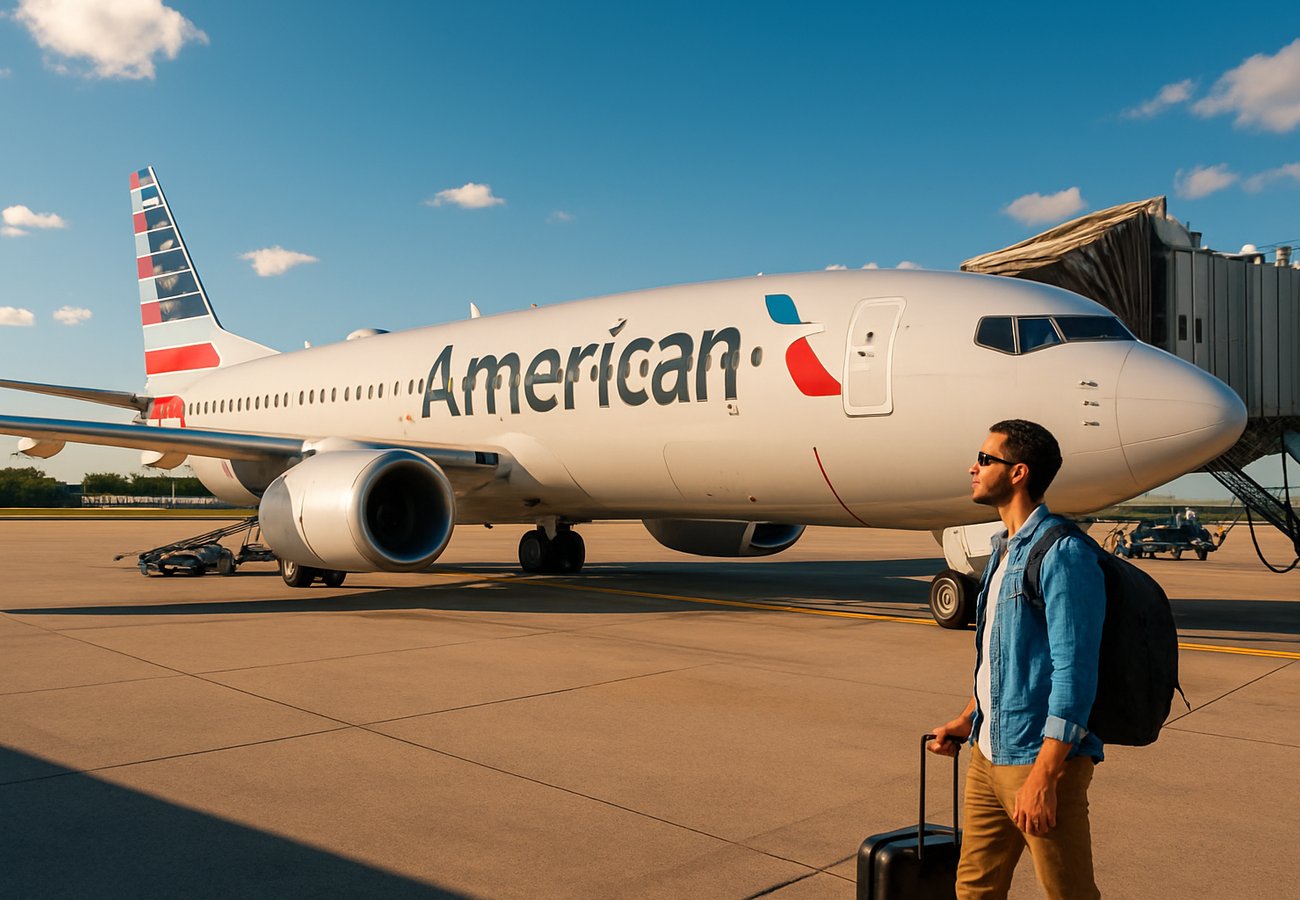
Image generated by AI
American Airlines has executed a stunning reversal on one of the airline industry's most sacred loyalty perks: complimentary first class upgrades. Under the leadership of CEO Robert Isom, the carrier is dismantling a two-decade-old recognition system and replacing it with a fully monetized paid upgrade model—a move that's sending shockwaves through frequent flyer communities across the United States, Europe, and Latin America.
The implications are staggering. Millions of AAdvantage members who've built elite status through years of loyalty spending now face a stripped-down benefits package where first class access is no longer a reward—it's a commodity.
The Death of Complimentary Upgrades: A Timeline of Erosion
The shift didn't happen overnight. American Airlines has been quietly strangling upgrade inventory for years. Over the past two decades, the proportion of first class seats sold as commercial fares has exploded from roughly 10% to over 80%, leaving virtually no space for elite member upgrades.
The mobile app redesign completed this spring crystallizes the new reality. When you book a flight as an elite member today, the app no longer asks, "Do you want to use your upgrade certificate?" Instead, it presents a transaction: "Upgrade to first class for $26–$87." Mileage-based upgrade awards have been eliminated entirely. Elite recognition, once the emotional core of loyalty, is dead.
Reddit: "They literally turned loyalty into retail. I've had platinum status for 15 years and now I'm paying the same upgrade price as a first-time traveler." — r/awardtravel
How Much Are Paid Upgrades Costing Flyers?
The democratization of first class access sounds appealing in theory. Casual travelers can now upgrade for as little as $26, making premium cabin access accessible to passengers who previously had zero chance of reaching the front of the plane.
But here's the brutal math for elite flyers: high-spenders using the American Airlines–Citi co-brand credit card, purchasing premium fares, and burning points are now on equal footing with leisure passengers buying their first ticket. The distinction between holding Platinum Elite, Gold Elite, or Executive Platinum status and being a random economy passenger has collapsed.
For international markets—Canada, Mexico, the Caribbean, Europe, and Asia—this blur is particularly damaging to brand perception. Travelers who've justified massive annual spending on the basis of "elite recognition" are discovering that recognition has been replaced with a price list.
The Recognition vs. Reward Crisis
The AAdvantage program's traditional structure rested on two pillars: reward (miles and points) and recognition (tangible perks like upgrades, priority service, seat selection). American Airlines kept the first and gutted the second.
Analysts at major travel publications have noted the shift represents a fundamental misunderstanding of loyalty psychology. Emotional commitment is driven by exclusive experiences, not transactional points. When an airline monetizes the experience—when it says "your elite status gets you early boarding, but first class costs extra"—the psychological incentive evaporates.
The value proposition for elite membership has weakened across every market American operates: domestic US routes, international corridors to Europe, Latin America, and Asia.
What's the Real Impact on Frequent Flyers?
Practical impacts are already visible.
Elite status is no longer worth chasing. Analysts indicate that pursuing top-tier status has become financially irrational under the new system. Mid-tier benefits like extra legroom and early boarding provide modest utility without requiring the extreme spending necessary to reach Platinum Elite or Executive Platinum.
Loyalty behavior is shifting toward price and schedule. Frequent flyers are making decisions based on ticket cost, departure times, and product quality rather than status recognition. The emotional driver—"I fly American because I'm treated like a VIP"—has evaporated.
Competitive advantage is eroding. American Airlines is rolling out new cabin features, including Flagship Suite seating and Starlink satellite Wi-Fi. But these innovations are temporary differentiators. Delta, United, and Southwest will have equivalent products within 18 months, making them industry standards rather than competitive moats.
Reddit: "I switched to United. At least their upgrade certificates still mean something. AA treated me like a wallet, not a customer." — r/travel
A Broader Question About Loyalty Programs
The American Airlines strategy raises uncomfortable questions across the entire industry. If the largest carriers are monetizing traditional loyalty rewards, what's the actual purpose of elite membership?
Industry observers point to a troubling pattern: loyalty programs are becoming airline-operated travel insurance products. You pay premiums (through co-branded credit cards, status challenges, and premium fare purchases), and in return, you receive modest, sometimes arbitrary benefits. The "loyalty" component has been replaced with a subscription model.
Frequent flyer blogs and forums document growing frustration with this dynamic across all carriers, but American's move is the most aggressive reset yet.
What This Means for Your Travel Strategy
If you hold AAdvantage elite status, you face a consequential decision:
Continue status pursuit. This only makes sense if you're a business traveler expensing miles and premium seat selections, or if you genuinely value non-upgrade perks like priority boarding and lounge access. The status symbol itself is worthless now.
Downgrade to a mid-tier compromise. Hold Gold Elite for modest benefits without the financial burden of chasing higher tiers.
Evaluate alternative carriers. Delta, United, and Southwest each have different upgrade policies, but none has fully monetized the way American has. Your loyalty dollars might achieve better returns elsewhere.
Separate aspirational status from practical utility. Stop thinking about elite status as a personal achievement and start thinking about it as a cost-benefit calculation.
The Industry Awaits a Response
American Airlines hasn't issued a formal statement defending the change as a necessary business decision, but the implicit argument is clear: first class inventory is finite, revenue must be maximized, and emotion-based distribution no longer serves shareholder interests.
The question now is whether competitors will follow. If Delta, United, and Southwest adopt similar strategies, the loyalty program as a concept—a genuinely special status tier—will effectively cease to exist in commercial aviation.
The next 12 months will reveal whether this is an American Airlines experiment or an industry-wide inflection point.
The era of loyalty-based airline recognition is officially over—and frequent flyers are paying the price.
Related Travel Guides
Las Vegas Dominates US Nightlife, Outpacing Miami and NYC
Travel France Lufthansa: 420 Delays Hit London Heathrow March 2026
Disclaimer
This article is for informational and educational purposes only. It does not constitute legal, financial, or professional advice. While we strive to provide accurate and up-to-date information, travel policies, regulations, and conditions change rapidly. Always verify information with official sources before making travel decisions. Nomad Lawyer makes no representations about the accuracy, reliability, completeness, or suitability of the information provided. Readers should consult qualified professionals for advice specific to their circumstances. The views expressed in this article are those of the author and do not necessarily reflect the views of Nomad Lawyer.
Preeti Gunjan
Contributor & Community Manager
A passionate traveller and community builder. Preeti helps grow the Nomad Lawyer community, fostering engagement and bringing the reader experience to life.
Learn more about our team →