
American Airlines Implements New 24-Hour Refund Protection for US Flight Bookings in 2026
American Airlines has launched a new 24-hour refund policy for eligible US flight bookings, providing passengers a critical window to cancel and recoup funds after purchase.

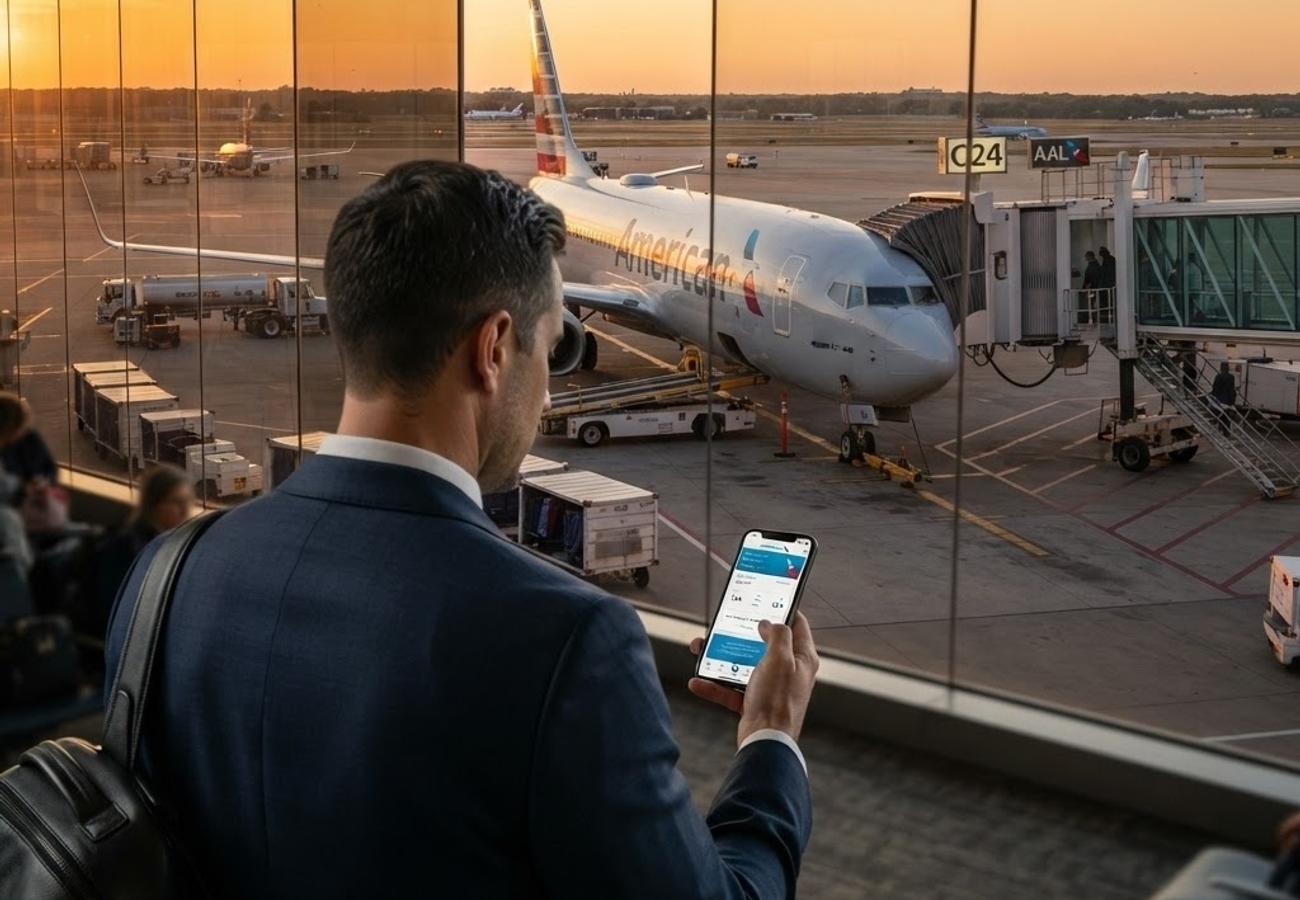
Image generated by AI
American Airlines has updated its customer service framework to include a 24-hour refund window for eligible passengers. This shift allows travelers to cancel qualifying bookings shortly after purchase without facing the typical penalties associated with non-refundable fares.
The policy change responds to a growing demand for transparency and consumer control in the US aviation sector. By providing a short window to review itineraries, confirm travel dates, and verify passenger details, the airline aims to reduce the friction caused by booking errors and sudden schedule shifts.
Core Policy Framework
The updated rule allows eligible customers to cancel qualifying flight bookings within 24 hours of purchase to receive a full refund. This applies specifically to tickets bought through approved American Airlines booking channels.
Key Operational Takeaways:
- Eligibility: Applies to qualifying tickets purchased via approved AA channels.
- Timeframe: Cancellation must occur within 24 hours of the initial purchase.
- Primary Goal: To allow passengers to verify accommodation, visa requirements, and connecting flights before final commitment.
- Error Correction: Provides a safety net for mistakes in passenger names or travel dates.
Alignment with US Federal Regulations
This move does not exist in a vacuum. It aligns with the broader regulatory environment established by the US Department of Transportation (DOT). The DOT mandates that airlines provide refunds under specific conditions, such as significant flight changes or cancellations by the carrier.
Federal guidelines already provide a 24-hour cancellation framework for many bookings. American Airlines is integrating this into its digital ecosystem to ensure a more seamless, automated process for the passenger.
Impact on Specific Traveler Segments
Our analysis of this policy suggests different utility levels based on traveler profiles:
- International Travelers: High impact. The window allows for the verification of entry rules and passport validity after the ticket is secured.
- Corporate Travelers: Significant impact. Business schedules are volatile; a 24-hour window allows corporate travel departments to lock in fares while finalizing meeting agendas.
- Leisure Travelers: Moderate impact. Reduces the risk associated with "impulse booking" to secure low fares before realizing a date conflict exists.
Critical Limitations and Warnings
Passengers must be aware that this is not a universal "free cancellation" policy.
- Third-Party Bookings: Tickets purchased via Online Travel Agencies (OTAs) or third-party vendors may not be covered by this direct AA policy. In such cases, passengers must follow the specific refund procedures of the agency.
- Qualifying Fares: Not all ticket types may qualify. Travelers are advised to review the specific fare rules at the time of purchase.
- Documentation: It is essential to retain booking confirmations and ticket numbers to prove the timestamp of purchase relative to the cancellation request.
Regulatory Context and Passenger Rights
| Feature | American Airlines New Rule | US DOT General Framework |
|---|---|---|
| Cancellation Window | 24 Hours | 24 Hours (for eligible flights) |
| Refund Type | Full refund to original payment | Varies by circumstance |
| Trigger | Passenger-initiated review | Carrier cancellation or passenger request |
| Channel | Approved AA channels | All regulated ticket sellers |
Why This Matters: Industry Analysis
From a logistical perspective, this move is less about "generosity" and more about reducing the administrative burden of manual refund requests. When passengers make mistakes on dates or names, it creates a backlog of customer service tickets and manual overrides. By automating a 24-hour "grace period," American Airlines reduces the volume of low-level disputes.
For the traveler, the real impact is the removal of "booking anxiety." In a market where fares fluctuate by the minute, passengers often book immediately to save money, then spend the next hour stressing over whether they chose the right date. This policy legitimizes that "buffer period."
Furthermore, this reflects a shift where flexibility is now a primary competitive metric. In 2026, price is no longer the only driver; the "ease of exit" from a contract (the ticket) is a major factor in brand loyalty.
Forward Outlook
Expect other US-based carriers to further automate these refund processes to match the digital convenience of this rollout. We anticipate a move toward "Dynamic Flexibility," where refund windows may be tied to loyalty tiers or specific fare bundles. For now, the industry trend is moving toward total transparency—shifting the power back to the consumer during the critical first 24 hours post-purchase.
The era of rigid, non-refundable tickets is slowly eroding in favor of consumer-centric flexibility.
Related Travel Guides
Disclaimer
This article is for informational and educational purposes only. It does not constitute legal, financial, or professional advice. While we strive to provide accurate and up-to-date information, travel policies, regulations, and conditions change rapidly. Always verify information with official sources before making travel decisions. Nomad Lawyer makes no representations about the accuracy, reliability, completeness, or suitability of the information provided. Readers should consult qualified professionals for advice specific to their circumstances. The views expressed in this article are those of the author and do not necessarily reflect the views of Nomad Lawyer.
Kunal K Choudhary
Co-Founder & Contributor
A passionate traveller and tech enthusiast. Kunal contributes to the vision and growth of Nomad Lawyer, bringing fresh perspectives and driving the community forward.
Learn more about our team →