
American Airlines Fined $255,000 for Allowing Drug-Positive Crew Members to Operate Flights
Breaking airline news and aviation industry updates for 2026.

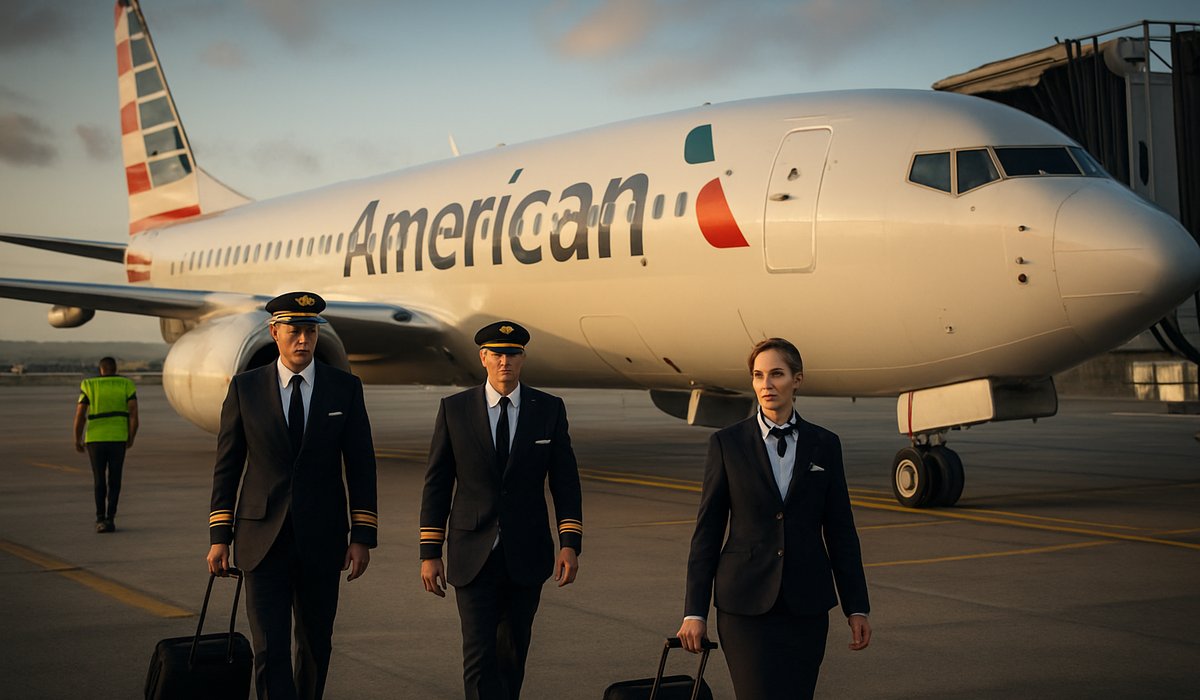
Image generated by AI
American Airlines Fined $255,000 for Allowing Drug-Positive Crew Members to Operate Flights
FAA enforcement action highlights critical safety lapses as airline cleared impaired flight attendants for duty over four-year period
Major Safety Violation Uncovered
The Federal Aviation Administration has moved to impose a substantial penalty exceeding $255,000 against American Airlines following an investigation into systemic failures that permitted 12 flight attendants to return to operational duties despite testing positive for controlled substances and alcohol.
The enforcement action represents a significant breach of aviation safety protocols, with the FAA documenting that American Airlines violated federal regulations governing crew fitness-for-duty standards between May 2019 and December 2023. During this four-year span, the airline cleared personnel to resume what the agency classifies as "safety-sensitive duties"—roles directly responsible for passenger safety during flight operations.
Scope of Substance Testing Failures
The violations encompassed multiple banned substances, including alcohol, amphetamines, cocaine, marijuana, and methamphetamine. The FAA's findings suggest a systematic breakdown in American Airlines' drug and alcohol testing protocols, raising serious questions about how the carrier's safety management systems failed to prevent impaired crew members from accessing the flight deck and cabin during commercial operations.
Flight attendants occupy critical safety roles, responsible for emergency procedures, passenger safety briefings, and rapid response to in-flight incidents. Impairment from controlled substances or alcohol directly compromises these life-safety functions.
Industry-Wide Compliance Concerns
This enforcement action underscores ongoing compliance challenges within the commercial aviation sector. The FAA maintains strict testing and clearance procedures to ensure all crew members meet fitness-for-duty standards before operating flights. Carriers must implement robust verification systems to confirm that employees who test positive for banned substances complete required rehabilitation and receive medical clearance before resuming safety-sensitive positions.
The magnitude of the proposed fine—combined with the multi-year duration of the violations—suggests the FAA views this as a serious case of regulatory non-compliance rather than isolated incidents.
What Happens Next
American Airlines will have an opportunity to respond to the FAA's proposed penalty. The carrier has not yet issued a public statement regarding the enforcement action. Industry observers expect this case to prompt heightened scrutiny of crew safety protocols across major U.S. carriers and potentially trigger revised guidance from the FAA on substance testing verification procedures.
FAQ: Airline Crew Safety and FAA Regulations
What are "safety-sensitive duties" in aviation? Safety-sensitive duties include any role directly affecting flight safety—pilots, flight attendants, mechanics, and ground crew responsible for aircraft maintenance and loading.
How often do airlines conduct drug and alcohol testing? Airlines conduct pre-employment testing, random testing, post-accident testing, and testing when reasonable suspicion exists. FAA regulations mandate these programs across all commercial carriers.
Can flight attendants return to work after a positive test? Yes, but only after completing FAA-approved rehabilitation programs and receiving medical certification confirming fitness-for-duty—a process typically requiring months.
What penalties can the FAA impose on airlines for safety violations? The FAA can assess civil penalties ranging from thousands to millions of dollars, depending on violation severity, duration, and impact on safety.
How does this affect passenger safety on American Airlines flights? While this violation is serious, it represents a management oversight rather than indicating systematic risk on current flights. American Airlines operates under continuous FAA oversight and must implement corrective measures to prevent recurrence.
Related Travel Guides
Flight Delay Compensation Guide 2026
Understanding Airline Route Changes
Airport Security Process Updated (2026)
External Resources
Disclaimer
This article is for informational and educational purposes only. It does not constitute legal, financial, or professional advice. While we strive to provide accurate and up-to-date information, travel policies, regulations, and conditions change rapidly. Always verify information with official sources before making travel decisions. Nomad Lawyer makes no representations about the accuracy, reliability, completeness, or suitability of the information provided. Readers should consult qualified professionals for advice specific to their circumstances. The views expressed in this article are those of the author and do not necessarily reflect the views of Nomad Lawyer.
Preeti Gunjan
Contributor & Community Manager
A passionate traveller and community builder. Preeti helps grow the Nomad Lawyer community, fostering engagement and bringing the reader experience to life.
Learn more about our team →