
American Airlines Flight JIA5477 Diverts to Charlotte Douglas International Airport During Washington to Tallahassee Route
A PSA Airlines-operated American Airlines flight from Washington to Tallahassee diverted to Charlotte Douglas International Airport on 23 July 2026 due to precautionary safety concerns.

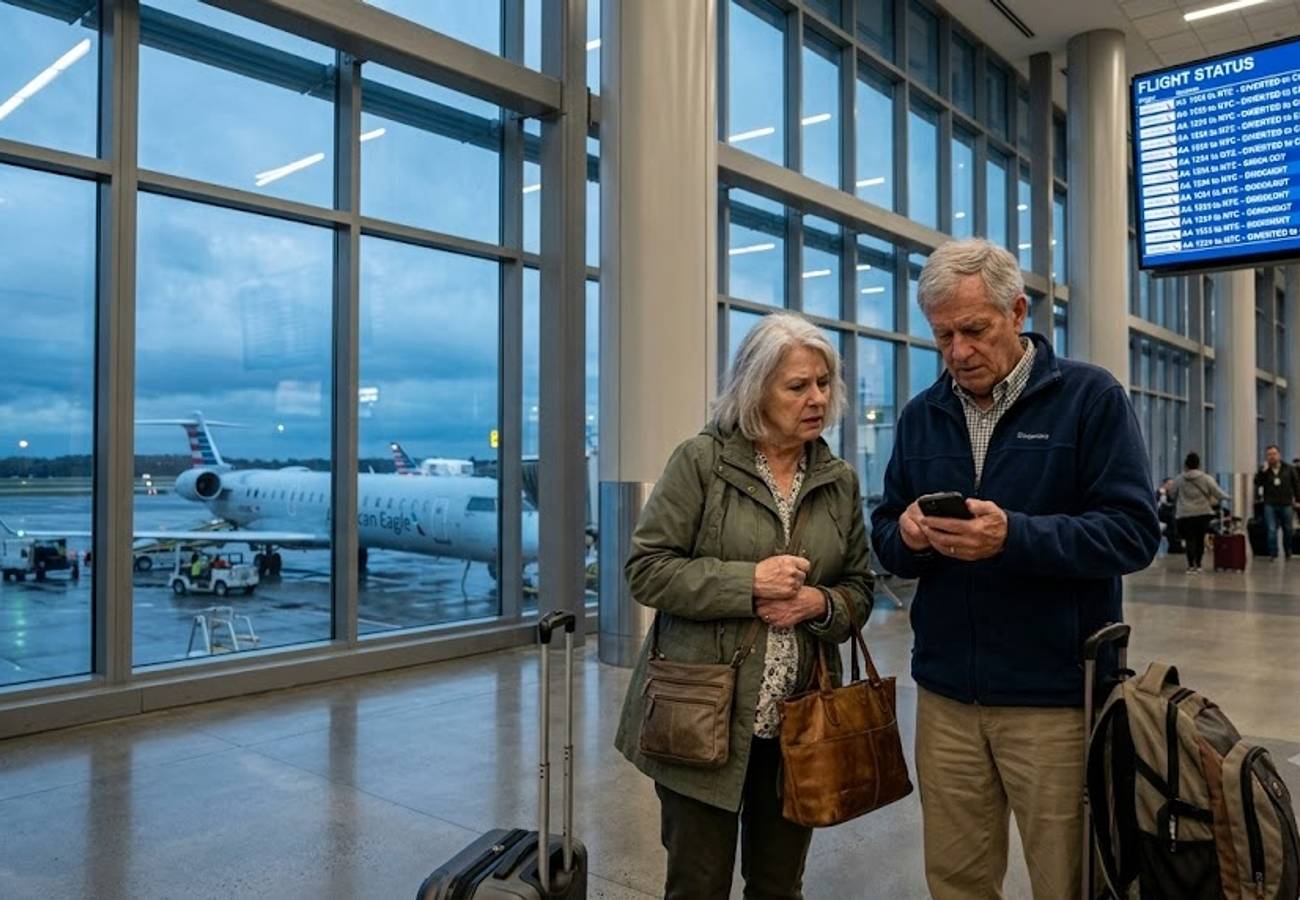
Image generated by AI
[Charlotte, NC] — A regional flight operating from Washington to Tallahassee was forced to change course on 23 July 2026, resulting in an unscheduled landing at Charlotte Douglas International Airport. The aircraft, flight JIA5477, was operated by PSA Airlines on behalf of American Airlines, and all passengers and crew landed safely without reported injuries.
The incident occurred during an evening service departing from Ronald Reagan Washington National Airport. While the flight was intended to conclude at Tallahassee International Airport, the flight crew opted for a precautionary diversion to Charlotte. While the specific trigger for the diversion has not been publicly disclosed by the carrier, industry reports indicate the move was made to prioritize operational control and passenger safety.
Operational Details of the Washington to Tallahassee Diversion
The aircraft involved in the incident is a Mitsubishi CRJ-900LR (also identified as a Bombardier CRJ-900) with the registration N597NN. According to flight tracking data, the aircraft departed the capital in the evening hours. During the transit toward Florida, the crew identified a need to deviate from the original flight plan, selecting Charlotte as the most viable alternate landing site.
Under Federal Aviation Administration (FAA) regulations, pilots possess the ultimate authority to divert a flight if they perceive any risk to the aircraft or its occupants. The decision to land in Charlotte suggests that the crew determined that continuing to Tallahassee was not the most practical or safest course of action given the real-time conditions onboard or in the airspace.
Strategic Role of Charlotte Douglas International Airport in Diversions
Charlotte Douglas International Airport serves as a critical safety valve for flights traversing the eastern United States. Its geographical position along the primary flight corridors connecting the Mid-Atlantic and the Southeast makes it a primary choice for aircraft requiring immediate landing.
The airport's infrastructure is specifically designed to handle high-volume traffic and emergency scenarios. With multiple expansive runways and advanced ground handling capabilities, it can accommodate a wide array of aircraft, from small regional jets like the CRJ-900LR to wide-body international carriers. The availability of comprehensive emergency response services ensures that any diverted flight, regardless of the reason for the detour, can be managed with minimal risk.
Regional Jet Performance and Diversion Frequency
The CRJ-900LR is a mainstay of regional aviation, engineered for efficiency on short-to-medium haul routes. Its performance specifications allow it to operate out of a diverse range of airports, which provides pilots with significant flexibility when planning alternates. FAA certification data emphasizes that the aircraft's landing and takeoff capabilities are key factors in selecting diversion points like Charlotte.
While mid-flight diversions often generate public concern, they are statistically rare. Data from the U.S. Department of Transportation indicates that only a small fraction of total annual flights result in a diversion. However, routes that cross multiple weather zones—such as the path from Washington to Florida—are more susceptible to routing changes due to atmospheric instability or sudden technical alerts.
Passenger Rights and Airline Contingency Protocols
Following the landing in Charlotte, the airline's contingency plans were activated to manage the displaced passengers. According to U.S. Department of Transportation passenger protection guidelines, airlines are mandated to provide clear communication and assistance during such disruptions.
Depending on the nature of the diversion, passengers typically face three primary outcomes:
- Technical Resolution: The aircraft is inspected and cleared for takeoff to continue to the original destination.
- Rerouting: Passengers are booked onto the next available flight to Tallahassee.
- Alternative Transport: In some cases, ground transportation is arranged if the delay is extensive.
Evaluating the Safety Implications of the JIA5477 Incident
The diversion of Flight JIA5477 serves as a practical example of the "layered safety" approach utilized by the FAA and regional carriers. Rather than waiting for a technical issue to become critical, the crew acted on a precautionary basis. This proactive methodology is designed to eliminate risk before it escalates into an emergency.
The coordination between the cockpit, air traffic control (ATC), and airline operations centers allows for real-time decision-making. In this instance, the safe arrival of N597NN in Charlotte confirms that the safety systems functioned as intended, transforming a potential problem into a controlled, non-event.
Summary of Flight Data
| Detail | Information |
|---|---|
| Flight Number | JIA5477 |
| Operating Carrier | PSA Airlines (for American Airlines) |
| Aircraft Model | Mitsubishi/Bombardier CRJ-900LR |
| Registration | N597NN |
| Departure Point | Ronald Reagan Washington National Airport |
| Intended Destination | Tallahassee International Airport |
| Diversion Point | Charlotte Douglas International Airport |
| Date of Incident | 23 July 2026 |
| Outcome | Safe landing; no injuries reported |
Why This Matters: The Passenger Perspective
For the modern traveler, a diversion can be stressful, but from a logistical and legal standpoint, it is the most favorable outcome when a risk is detected. When a pilot chooses to divert, they are exercising "Captain's Authority," a legal pillar of aviation that prioritizes life over schedule.
For those flying regional routes, this incident highlights why choosing a carrier with a robust hub-and-spoke system (like American Airlines) can be an advantage during diversions. Because Charlotte is a major hub, passengers are more likely to find immediate rebooking options and hotel accommodations than they would at a smaller, non-hub airport. It also underscores the importance of traveling with a carry-on bag containing essentials, as diversions can lead to unexpected overnight stays in cities far from the intended destination.
The safe landing of Flight JIA5477 reinforces the industry's commitment to a "safety-first" culture over on-time performance.
Related Travel Guides
Disclaimer
This article is for informational and educational purposes only. It does not constitute legal, financial, or professional advice. While we strive to provide accurate and up-to-date information, travel policies, regulations, and conditions change rapidly. Always verify information with official sources before making travel decisions. Nomad Lawyer makes no representations about the accuracy, reliability, completeness, or suitability of the information provided. Readers should consult qualified professionals for advice specific to their circumstances. The views expressed in this article are those of the author and do not necessarily reflect the views of Nomad Lawyer.
Preeti Gunjan
Contributor & Community Manager
A passionate traveller and community builder. Preeti helps grow the Nomad Lawyer community, fostering engagement and bringing the reader experience to life.
Learn more about our team →