
Breaking Airline News: American Airlines Airbus A319 Executes Terrifying Mid-Air Diversion to Indianapolis, Plunging Flight AAL1363 into Travel Chaos
Breaking airline news: Amidst a terrifying era of severe operational fragility, American Airlines Flight AAL1363 executes a massive, unexplained mid-air diversion to Indianapolis, violently plunging passengers into extreme travel chaos.

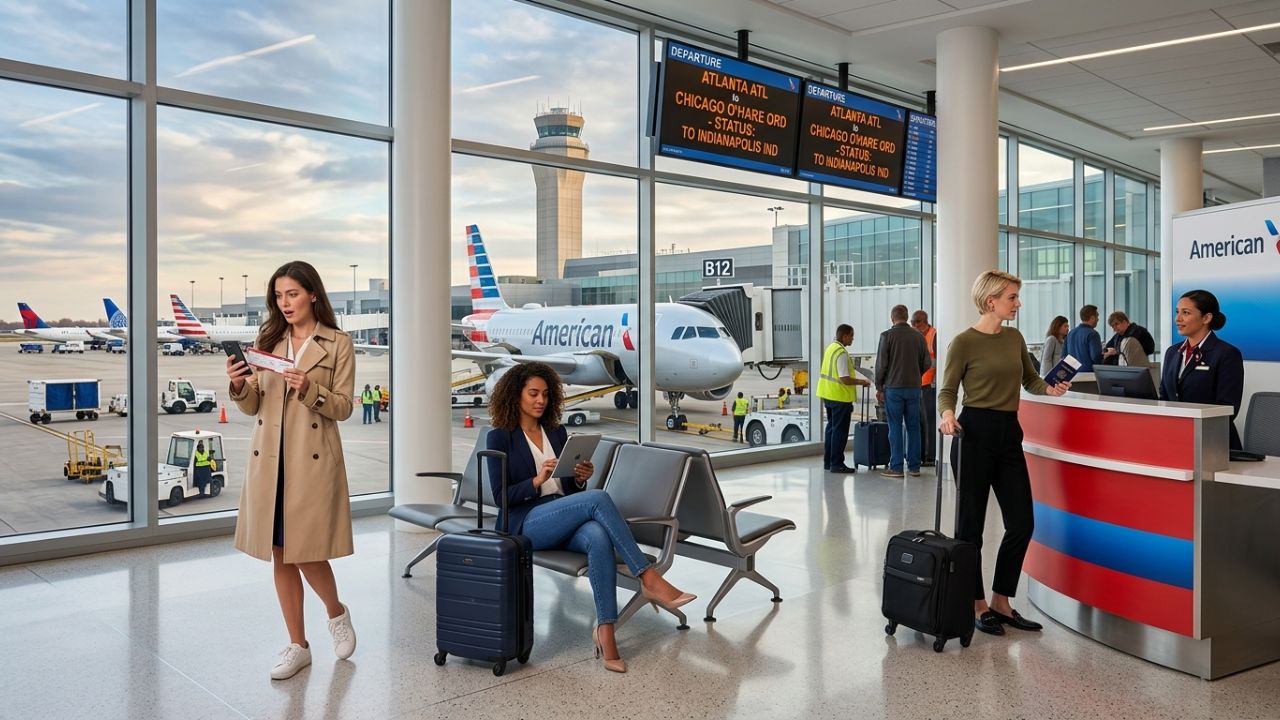
Image representing the intense strategic battle as American Airlines flight crews desperately execute a massive mid-air diversion to Indianapolis, combating severe, undisclosed operational threats to prevent a massive disaster for domestic passengers.
Breaking Airline News: American Airlines Airbus A319 Executes Terrifying Mid-Air Diversion to Indianapolis, Plunging Flight AAL1363 into Travel Chaos
As paralyzing terminal bottlenecks, terrifying airspace constraints, and severe operational fragility violently threaten to completely shatter passenger mobility across the United States, a massive mid-air incident has executed a devastating blow to a primary domestic corridor. In a harrowing display of aviation vulnerability, hundreds of passengers onboard American Airlines Flight AAL1363 (also tracked as AA1363) were violently impacted on Thursday, June 11, 2026, when their aircraft was suddenly forced to execute an aggressive, unscheduled diversion. Originally bound for the massive Chicago O’Hare hub, the Airbus A319-132 violently altered its trajectory after more than two hours in the air, abandoning its approach to plunge into Indianapolis International Airport. This sudden, catastrophic disruption instantly triggered extreme travel chaos, completely severing the operational integrity of the flight and subjecting passengers to agonizing delays, intense psychological stress, and severe airport disruptions in a completely unintended city.
In a brutal demonstration of how fragile modern aviation networks truly are, the sheer logistical nightmare of attempting to navigate a sudden mid-air diversion rapidly degenerated into a terrifying transit scenario. For passengers onboard AAL1363, securing a confirmed ticket from Atlanta to Chicago meant absolutely nothing as the flight crew aggressively initiated contingency protocols to drop the aircraft out of its intended routing. The terrifying reality of landing in Indiana instead of Illinois violently spread confusion through the cabin. As airline operations buckled under the immense pressure of securing the diverted aircraft and managing stranded travelers, the incident proved that even highly routine domestic flights between major hubs are violently susceptible to sudden groundings, instantly cascading into massive, uncontrollable travel chaos as connections out of Chicago O’Hare were instantaneously destroyed.
Expanded Overview: The Massive Scale of the Mid-Air Diversion
The terrifying crisis of overwhelming passenger stress currently gripping the aviation sector brutally exposes the severe limitations of airlines attempting to maintain flawless operational records. Recognizing that aggressively pushing a compromised aircraft toward a destination leads directly to catastrophe, the flight crew's decision to divert fundamentally rewrote the travel matrix for Flight AAL1363. The sheer scale of this infrastructural disruption is immense. Because the aircraft had been airborne for a significant period, the sudden diversion created massive, uncontrollable ripple effects, violently impacting highly vulnerable passengers who suddenly found themselves locked in an unplanned terminal in Indianapolis, with zero immediate explanation from American Airlines authorities regarding their ultimate extraction.
Section-Wise Breakdown: The Operational Realignment
Shattering the Domestic Grid: The AAL1363 Extraction
To survive the terrifying surge of unknown operational threats, American Airlines heavily relied on its standard diversion protocols. The highly anticipated service, operated by an Airbus A319-132 registered as N802AW, departed Hartsfield-Jackson Atlanta International Airport (KATL) at approximately 12:23 PM EDT following a minor departure delay. The aircraft was tracking normally toward the Midwest until a sudden intervention occurred. Flight-tracking information violently confirmed that the crew abandoned the planned route to Chicago O’Hare International Airport (KORD). Instead, the aircraft remained airborne for around two hours and nine minutes before executing a massive tactical diversion toward Indiana, drawing intense scrutiny from aviation observers tracking the A319 airframe.
Deploying the Capacity Fortress: The Indianapolis Grounding
Upon executing the diversion, the massive Airbus successfully touched down at Indianapolis International Airport at approximately 02:32 PM EDT, approximately 42 minutes behind the original Chicago arrival schedule. The aircraft landed safely without publicly reported emergency escalation, injuries, or abnormal landing procedures. However, the true travel chaos began once the aircraft was secured on the tarmac. While Indianapolis is a highly capable facility perfectly suited to absorb sudden operational demands, passengers were violently severed from their intended Chicago itineraries. From an airline perspective, this single diversion created terrifying ripple effects across American Airlines' network, destroying aircraft rotations, crew schedules, and gate assignments for the remainder of the day.
Operational Armor: Analyzing the Corporate Silence
At present, American Airlines has not publicly released an official statement detailing the specific technical, weather-related, or air-traffic management threat that triggered the AA1363 diversion. In the highly volatile environment of commercial aviation, diversions are executed as absolute defensive measures. However, the lack of an immediate emergency declaration indicates a highly calculated, precautionary withdrawal rather than an acute crisis. Anup Kumar Keshan, Founder and Editor-in-Chief of Travel And Tour World, observed that diversions demonstrate how "operational flexibility remains essential in modern aviation." He noted that while unexpected route changes disrupt plans, the safe handling reflects the industry’s continued focus on safety, efficiency, and real-time decision-making under evolving flight conditions.
American Airlines Flight AAL1363 Diversion Matrix
To fully comprehend the massive logistical and strategic fallout of this terrifyingly efficient network disruption, corporate travel managers and affected tourists must review the exact operational metrics defining the capacity strain. The following matrix provides a granular breakdown of the specific, officially verified statistical data driving this massive mid-air incident.
| Operational Defense Metric | Verified Infrastructure Data |
|---|---|
| Aviation Operator | American Airlines |
| Flight Identifiers | AAL1363 (also tracked as AA1363) |
| Aircraft Hardware | Airbus A319-132 (A319) |
| Aircraft Registration | N802AW |
| Original Departure Hub | Hartsfield-Jackson Atlanta Int'l Airport (KATL) |
| Intended Destination Hub | Chicago O’Hare International Airport (KORD) |
| Strategic Diversion Target | Indianapolis International Airport |
| Date of Incident | June 11, 2026 (Thursday) |
| Departure Time | Approx. 12:23 PM EDT |
| Diversion Landing Time | Approx. 02:32 PM EDT (Total flight time ~2 hours 9 mins) |
| Delay Impact | Landed approx. 42 minutes behind scheduled original arrival |
| Disruption Catalyst | Undisclosed (No emergency declaration reported) |
Passenger Impact: Surviving the Mid-Air Jump
For the hundreds of global executives and tourists attempting to navigate the rapidly collapsing transit timeline of Flight AAL1363, this massive operational failure represents a highly terrifying reality. The brutal reality of enduring a terrifyingly sudden diversion inflicts intense psychological stress—leaving the passenger entirely stranded in a completely unintended city, instantly severing all carefully planned onward flights out of O'Hare. By aggressively executing tactical survival protocols, passengers can drastically reduce their exposure to these terrifying logistical environments.
What to Do During an Unplanned Diversion: A Survival Guide
Travelers desperately preparing to navigate the modernized but highly fragile domestic network must immediately execute the following survival protocols when facing a sudden mid-air diversion:
- Violently Monitor Airline Communications: Do not wait to disembark. While still seated during the taxi in Indianapolis, aggressively monitor your American Airlines mobile app for rebooking alerts regarding your missed connecting flights out of Chicago O’Hare.
- Weaponize Your Ground Transport Strategy: If the aircraft is grounded indefinitely in Indianapolis, violently pivot your strategy. Assess whether renting a car to drive to Chicago (a roughly 3-hour drive) is faster than waiting for American Airlines to coordinate a replacement aircraft or crew.
- Maintain Absolute Composure: As terrifying as an unannounced diversion is, understand that pilots are aggressively executing this maneuver specifically to shield you from a larger, far more dangerous operational, technical, or weather threat. Panic within the cabin only exacerbates the travel chaos.
Industry Analysis: The Economics of Defensive Diversions
From a strategic aviation perspective, the travel turmoil currently threatening legacy networks highlights the terrifying vulnerability of aircraft mid-flight. Industry analysts confirm that the massive decision to divert an Airbus A319 is a highly aggressive, incredibly expensive tactical response. Landing an aircraft at an alternate hub violently burns reserve fuel, destroys crew duty schedules, and triggers massive financial bleeding in the form of passenger re-accommodation. However, airlines completely accept this massive financial damage because the alternative—pushing a compromised operation into a highly congested hub like O'Hare—risks an absolute, catastrophic outcome and insurmountable brand destruction.
Conclusion: A Strategic Retreat to Ensure Aviation Survival
As the extremely critical domestic travel network continues to face terrifying strain, the massive diversion executed by American Airlines Flight AAL1363 represents a massive warning to passengers attempting to rely blindly on direct itineraries. The aggressive, unannounced nature of this landing in Indianapolis proves that surviving modern aviation requires terrifyingly swift adaptability and a highly aggressive approach to travel planning. While the exact cause remains shrouded in corporate silence, the incident confirms that airlines will violently prioritize raw safety over schedule integrity. Passengers are heavily advised not to panic during diversions, to aggressively review their connecting flight statuses, and to maintain absolute flexibility when navigating this terrifying era of extreme travel chaos.
Key Takeaways
- Massive Tactical Diversion: American Airlines Flight AAL1363 (Atlanta to Chicago O’Hare) was violently forced to execute an unscheduled landing at Indianapolis International Airport.
- Primary Hardware Impacted: The incident involved an Airbus A319-132, bearing registration N802AW, which executed the maneuver on Thursday, June 11, 2026.
- Severe Delay Infliction: The aircraft remained airborne for roughly 2 hours and 9 minutes before landing safely at 02:32 PM EDT, arriving approximately 42 minutes behind schedule.
- Severe Corporate Silence: As of the latest update, American Airlines has not publicly disclosed the specific technical, medical, or operational threat that triggered the massive extraction.
- Traveler Advisory: Stranded passengers must aggressively monitor official airline apps during ground stops, weaponize alternate ground transport if necessary, and remain absolutely flexible in the face of sudden airport disruptions.
Related Travel Guides
- How Airline Consolidations Are Sparking Major Travel Chaos Across the Globe
- Navigating Severe Flight Cancellations: A Passenger's Guide to Surviving Airport Disruptions
- The Ultimate Guide to Beating Airport Congestion During the 2026 Summer Surge
Disclaimer: The flight diversion metrics (Flight AAL1363/AA1363), specific aircraft data (Airbus A319-132, N802AW), and the operational timeline (June 11, 2026, 12:23 PM departure / 02:32 PM landing) presented in this article are based on official flight-tracking intelligence available as of June 12, 2026. Specific internal airline operations and the exact cause of the diversion are highly dynamic and subject to ongoing investigation by aviation authorities. Passengers are strongly advised to meticulously verify specific route safety directly with American Airlines regarding any future travel.
Kunal K Choudhary
Co-Founder & Contributor
A passionate traveller and tech enthusiast. Kunal contributes to the vision and growth of Nomad Lawyer, bringing fresh perspectives and driving the community forward.
Learn more about our team →