
Altitude Shift Redefines Global Tourism as Mountain Destinations Across the Americas Become Summer Escapes
The Altitude Shift trend drives summer travelers to high-elevation areas in Canada, the US, Chile, and Peru, boosting year-round mountain wellness economies.

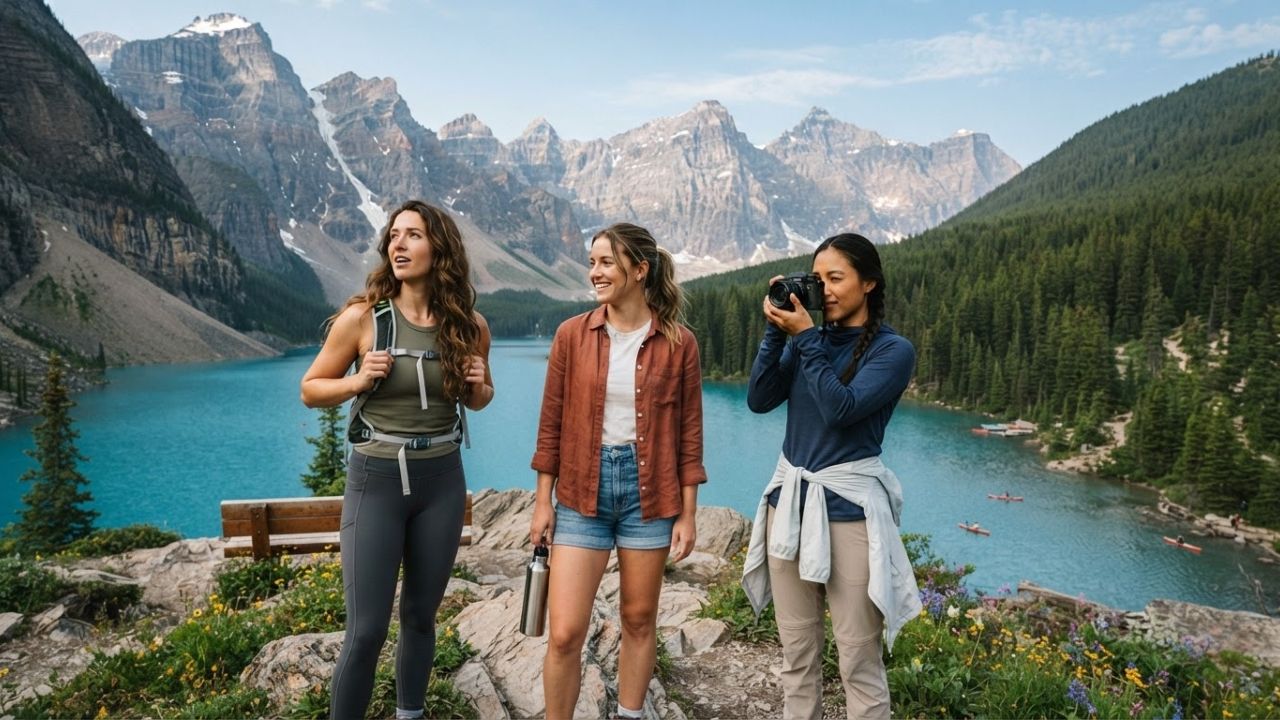
Image generated by AI
The 'Altitude Shift' has emerged as a major global travel trend, directing summer and autumn tourists to high-elevation destinations in Canada, the United States, Chile, Argentina, and Peru. Rising temperatures are driving travelers away from crowded coastal resorts toward cooler alpine environments.
As summer heat records continue to rise across coastal areas, the altitude shift redirects summer travel toward the cooler high-elevation zones of North and South America. Travel sector databases indicate that motorists and international arrivals are bypassing traditional beach destinations in favor of mountain ranges like the Canadian Rockies, the Colorado Rockies, and the Andes. This shift has enabled ski resorts to build year-round business models, offering hiking, mountain biking, thermal wellness retreats, and biodiversity experiences during the warmer months.
Market Re-Alignment: Transitioning from Coastal Resorts to High-Altitude Scenery
Changing climate conditions are significantly influencing where travelers choose to spend their warm-weather vacations. High-altitude regions are gaining popularity because elevation naturally provides lower temperatures compared to lowland coastal plains, allowing visitors to enjoy active wilderness exploration.
This movement has prompted destinations that previously depended on winter snow to expand their operations. Developing summer hiking programs, forest therapy tracks, and mountain biking infrastructure allows these areas to maintain stable year-round employment, reducing seasonal economic volatility.
Canada: Expanding Year-Round Travel Across the Canadian Rockies and Glacial Parks
The Canadian Rockies—including Banff, Jasper, and Canmore—serve as a primary hub for this cool-climate travel movement. The ideal warm-weather travel window runs from June through October, when visitors arrive to explore glacial lakes, mountain trails, and dark-sky preserves.
Valley floors in the Rockies sit at roughly 4,500 feet, with surrounding peaks reaching approximately 11,800 feet. This elevation provides comfortable temperatures for outdoor activities like canoeing on Lake Louise, hiking the Sulphur Skyline Trail, and viewing wildlife along the Bow Valley Parkway. Visitors are increasingly combining these outdoor activities with wellness experiences at the Banff Upper Hot Springs, showing how adventure and relaxation are integrating.
Colorado Rockies: Restructuring Winter Ski Hubs into Summer Wellness Centers
The Colorado Rockies are experiencing a similar four-season transition, with ski hubs like Aspen, Telluride, Vail, and Crested Butte recording high visitor volumes during the summer and autumn. The region's elevation ranges from 8,000 feet to over 14,000 feet, creating ideal conditions for cool-weather travel.
- Crested Butte Wildflowers: The area attracts thousands of photographers during the peak summer bloom.
- Mountain Festivals: Events like the Aspen Ideas Festival and the Telluride Bluegrass Festival draw cultural tourists.
- Wellness Infrastructure: Spa retreats and historic hot springs loops provide recovery experiences for high-altitude hikers and mountain bikers.
Southern Patagonia: Channeling Wilderness Tourism to Chile and Argentina Eco-Lodges
Patagonia, covering southern Chile and Argentina, represents a leading destination for remote adventure travel. The primary warm-weather season runs from October through April during the Southern Hemisphere's spring and summer.
The region attracts hikers with routes like the W Trek and the O Circuit in Torres del Paine, Chile, and Mount Fitz Roy trekking in El Chaltén, Argentina. Additionally, travelers visit the Perito Moreno Glacier for ice-trekking excursions and participate in wildlife tracking programs to view pumas. To accommodate these visitors sustainably, developers are constructing low-impact eco-lodges that provide panoramic wilderness views while protecting regional ecosystems.
Peruvian Andes: Integrating Incan Heritage with High-Altitude Wellness Routes
The Peruvian Andes are experiencing high demand from travelers looking to combine historic cultural tourism with high-altitude wellness programs. The Sacred Valley near Cusco, ranging from 9,000 feet to over 16,500 feet, has become a primary hub for active exploration.
Hikers utilize classic routes like the Inca Trail and the Salkantay Route, while newer wellness retreats offer Andean-inspired treatments and stargazing programs. This integration allows travelers to explore historical ruins, participate in high-altitude trail running, and experience local farm-to-table dining within a single trip, supporting local community economies.
Wyoming Peaks: Enhancing Summer Experiences in Jackson Hole and Grand Teton
Grand Teton and Jackson Hole in Wyoming have successfully expanded their summer and autumn tourism sectors. The region, with elevations ranging from 6,200 feet at the valley floor to 13,775 feet at peak summits, offers a mix of Western heritage and wilderness recreation.
Popular activities include Snake River float trips, hiking to Amphitheater Lake, and guided wildlife safaris to view moose and bears. Visitors can also participate in mountain yoga and stay at guest ranches, illustrating how premium hospitality and rugged outdoor adventure can support a regional travel market.
Why This Matters (Information Gain & Experience)
For the traveler, the altitude shift means that summer vacations can be spent in comfortable, cooler climates, avoiding the extreme heat warnings of coastal beach destinations. Mountain resorts now offer diverse activities during the summer, allowing families to plan multi-generational trips that combine spa treatments with guided hiking.
From a logistical standpoint, traveling to high-altitude destinations requires preparation for elevation changes. Visitors should spend their first few days acclimating to the altitude, staying hydrated, and checking local trail conditions before attempting high-elevation climbs like Colorado's 14ers.
Data Tables
Table 1: Key Travel Drivers
| Key Travel Driver | Impact on Destination Operations |
|---|---|
| Rising Temperatures | Drives visitors to cooler mountain zones instead of coastal resorts |
| Wellness Tourism Demand | Motivates travel to forest preserves, thermal springs, and eco-lodges |
| Authentic Experiences | Prioritizes wilderness exploration and local culture over city tours |
| Shoulder-Season Travel | Promotes travel during spring and autumn for lower rates and fewer crowds |
| Sustainability Goals | Increases investments in low-impact infrastructure and green guides |
Table 2: Americas Mountain Tourism Boom Comparison
| Destination Range | Primary Country Location | Warm / Shoulder Season | Elevation Range | Principal Travel Appeal |
|---|---|---|---|---|
| Canadian Rockies | Canada | June–October | 4,500–11,800 ft | Glacial lakes, dark-sky preserves, alpine wellness |
| Colorado Rockies | USA | May–October | 8,000–14,000+ ft | Mountain biking, wildflower scenery, festivals |
| Patagonia | Chile & Argentina | October–April | Sea level to 10,500+ ft | Glacier tracking, remote wildlife, eco-lodges |
| Peruvian Andes | Peru | May–October | 9,000–16,500 ft | Incan heritage, high-altitude trekking, wellness |
| Grand Teton / Jackson Hole | USA | June–October | 6,200–13,775 ft | River rafting, wildlife photography, guest ranches |
Table 3: Canadian Rockies Experiences
| Alpine Experience | Target Inbound Travel Appeal |
|---|---|
| Canoeing at Lake Louise | Offers views of iconic turquoise glacial waters |
| Sulphur Skyline Trail | Provides high-altitude day hiking options |
| Icefields Parkway Drive | Connects scenic road trips through mountain parks |
| Bow Valley Parkway | Supports wildlife viewing in natural forest habitats |
| Banff Upper Hot Springs | Delivers thermal wellness experiences to travelers |
Table 4: Colorado Rockies Experiences
| High-Altitude Experience | Specific Location | Tourism Economic Value |
|---|---|---|
| Wildflower Scenery | Crested Butte | Attracts photographers and nature enthusiasts |
| Mountain Biking Trails | Mountain Towns | Supports regional gear operators and bike shops |
| Aspen Ideas Festival | Aspen | Drives cultural and intellectual summer travel |
| Telluride Bluegrass Festival | Telluride | Boosts local music and events tourism revenues |
| Historic Hot Springs Loop | Regional Circuit | Increases year-round wellness bookings |
Table 5: Patagonia Experiences
| Patagonian Route | Destination Point | Tourism Infrastructure Role |
|---|---|---|
| W Trek | Torres del Paine, Chile | Serves as one of the world's premier hiking routes |
| O Circuit | Torres del Paine, Chile | Offers multi-day remote wilderness camping |
| Mount Fitz Roy Trekking | El Chaltén, Argentina | Draws international mountaineers and hikers |
| Perito Moreno Glacier Trek | Santa Cruz, Argentina | Provides guided glacier ice-walking tours |
Table 6: Peruvian Andes Experiences
| Andean Route / Activity | Primary Regional Travel Appeal |
|---|---|
| Inca Trail Trek | Combines historical pilgrimage with physical challenge |
| Salkantay Route | Offers a quieter high-altitude alternative for hikers |
| Sacred Valley Tours | Combines local heritage with low-impact agricultural stays |
| Rainbow Mountain Excursions | Focuses on high-altitude geological formations |
Table 7: Grand Teton Warm-Weather Experiences
| Activity Type | Regional Travel Appeal |
|---|---|
| Snake River Floats | Provides relaxed river viewing and photography |
| Cascade Canyon Hiking | Offers technical alpine paths for experienced trekkers |
| Wildlife Safaris | Focuses on viewing moose, bears, and regional birds |
| Guest Ranch Stays | Delivers premium Western lifestyle and horse riding |
Key Takeaways
- Coolcations: Climate shifts are directing summer travelers to high-altitude zones to escape extreme heat warnings.
- Four-Season Strategy: Winter ski resorts in Colorado and Canada successfully expand into summer mountain biking and wellness hubs.
- Remote Eco-Lodges: Patagonia drives sustainable luxury travel through low-impact wilderness lodges and puma tracking programs.
- Cultural Trekking: The Peruvian Andes combine archaeological hikes (Inca Trail) with Andean wellness retreats.
- Elevation prep: High-altitude destinations require travelers to plan for acclimation and monitor trail conditions in advance.
FAQ
What is the 'Altitude Shift' in tourism?
The Altitude Shift refers to a travel trend where tourists visit high-elevation mountain destinations during summer and autumn instead of coastal beach resorts.
What is the elevation range of the Canadian Rockies?
The Canadian Rockies valleys sit at approximately 4,500 feet, while the surrounding mountain peaks reach up to 11,800 feet.
When is the best time to visit Patagonia?
The best time to visit Patagonia for warm-weather trekking is between October and April during the Southern Hemisphere's spring and summer.
What are the main activities in Grand Teton during summer?
Key activities include Snake River float trips, hiking Cascade Canyon, wildlife viewing safaris, and staying at historic Western guest ranches.
How high is Rainbow Mountain in Peru?
Rainbow Mountain, a popular geological attraction in the Peruvian Andes, sits at an elevation of more than 16,500 feet.
Related Travel Updates and Regional Guides
- Related: Porto Santo Complements Funchal With Luxair Luxembourg Flights, New Airport Terminal Tender and Integrated Buses to Support Sustainable Tourism
- Related: Ireland Tourism Growth Gathers Momentum as Spain, United States and Germany Drive Inbound Leisure Travel Across Five Months in 2026
- Related: Greece Wildfires Disrupt Peak Summer Travel as Crete Evacuates Thousands and Flames Threaten Outer Suburbs of Athens
Disclaimer
This article is for informational and educational purposes only. It does not constitute legal, financial, or professional advice. While we strive to provide accurate and up-to-date information, travel policies, regulations, and conditions change rapidly. Always verify information with official sources before making travel decisions. Nomad Lawyer makes no representations about the accuracy, reliability, completeness, or suitability of the information provided. Readers should consult qualified professionals for advice specific to their circumstances. The views expressed in this article are those of the author and do not necessarily reflect the views of Nomad Lawyer.
Kunal K Choudhary
Co-Founder & Contributor
A passionate traveller and tech enthusiast. Kunal contributes to the vision and growth of Nomad Lawyer, bringing fresh perspectives and driving the community forward.
Learn more about our team →