
Alberta Lakeland Region Launches 20-Year Tourism Strategy Centered on Kinosoo Ridge Development 2026
Travel Lakeland unveils an ambitious two-decade roadmap to transform Northeast Alberta into a premier nature-based destination, leveraging Kinosoo Ridge as a signature year-round attraction.

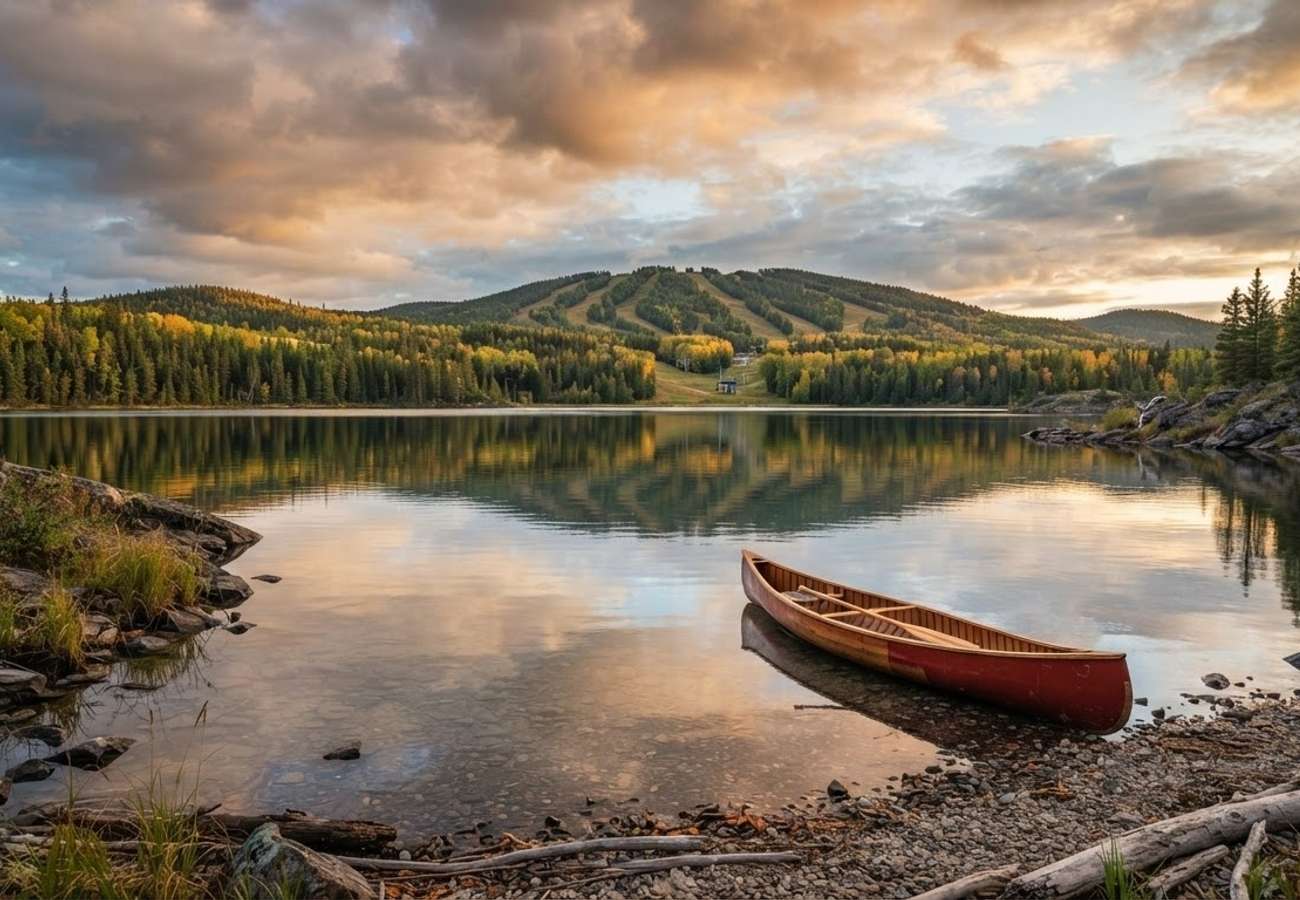
Image generated by AI
The Lakeland region of Northeast Alberta is implementing a comprehensive 20-year tourism strategy to pivot from seasonal visits to a year-round destination economy. The roadmap centers on the elevation of Kinosoo Ridge as a signature provincial attraction.
Strategic Pivot Toward Experience-Based Tourism
Travel Lakeland has initiated a long-term development framework designed to integrate the region's natural landscapes, Indigenous heritage, and outdoor recreation into a cohesive visitor product. This shift mirrors a broader trend across Canadian tourism where secondary regions are moving away from static attractions in favor of immersive, experience-based travel.
The strategy prioritizes five core pillars: nature preservation, Indigenous culture, outdoor recreation, community integration, and authentic visitor engagement. By focusing on these elements, the region aims to attract a demographic of travelers seeking "meaningful journeys"—a segment that prioritizes disconnection from urban environments and deep connection with local landscapes.
Kinosoo Ridge: The Regional Anchor
A primary component of this 20-year vision is the scaling of Kinosoo Ridge. Located near Cold Lake, Alberta, Kinosoo Ridge is being positioned as the primary catalyst for tourism growth in Northeast Alberta. Its proximity to the French Bay Provincial Recreation Area provides a strategic advantage for nature-based hub development.
Currently, Kinosoo Ridge operates as a multi-seasonal facility. The strategy aims to expand these offerings to increase the average length of stay for domestic and international visitors.
Kinosoo Ridge Seasonal Activity Matrix
| Season | Primary Activities | Target Demographic | Infrastructure Focus |
|---|---|---|---|
| Winter | Skiing, Terrain Parks, Tubing | Adventure Seekers, Families | Slope Maintenance & Lodging |
| Summer | Aerial Adventures, Hiking, Biking | Eco-Tourists, Thrill-Seekers | Trail Expansion & Gear Rental |
| Shoulder | Wildlife Viewing, Camping | Nature Photographers, Solitude Seekers | Sustainable Campgrounds |
Integration of Indigenous Heritage and Sustainable Growth
The development plan recognizes that cultural authenticity is a primary driver for modern travelers. The strategy integrates Indigenous knowledge and traditions as a central component of the visitor experience. By blending heritage tours with outdoor adventure, Lakeland intends to create a differentiated value proposition that distinguishes it from other Alberta destinations.
Sustainability is not treated as a secondary goal but as a prerequisite for growth. The 20-year plan emphasizes the protection of forests, lakes, and wildlife corridors. This approach aligns with global mandates for responsible tourism, ensuring that increased visitor volume does not degrade the natural assets that drive the economy.
Regional Economic Impact and Infrastructure Requirements
The tourism expansion is viewed as a critical tool for regional employment. Cold Lake already serves as a hub for this growth, with events like "Feast at the Beach" demonstrating the capacity for high-impact, short-term visitor surges to benefit local restaurants, retailers, and accommodation providers.
However, the transition to a signature destination requires significant infrastructure upgrades. To compete nationally, the region has identified several priority investment areas:
- Transportation: Improving accessibility to rural trailheads and Kinosoo Ridge.
- Accommodation: Expanding diverse lodging options beyond traditional hotels to include eco-lodges and glamping.
- Digital Integration: Enhancing digital tourism promotion and visitor service interfaces.
Traveler Logistics Guide: Navigating Northeast Alberta
From a ground-level perspective, the best way to navigate the Lakeland region is via a hub-and-spoke model, using Cold Lake as the primary base.
Booking and Connections For those arriving from major hubs like Edmonton or Calgary, rental vehicles are mandatory. Public transit is limited once you leave the primary town centers. When planning a trip to Kinosoo Ridge, book accommodations in Cold Lake at least three weeks in advance during peak skiing (January-February) or peak lake seasons (July-August).
Navigating Local Policies Visitors should be aware of provincial park regulations regarding French Bay. Ensure you have the necessary backcountry permits if venturing beyond the maintained Kinosoo Ridge trails. For those engaging in Indigenous-led tours, it is recommended to book through certified local operators to ensure cultural authenticity and fair economic distribution.
Optimal Layover and Timing If combining a Lakeland visit with other Alberta destinations, allow a minimum of 3 to 4 days. A typical itinerary involves two days at Kinosoo Ridge and one day exploring the waterfront and cultural sites of Cold Lake.
The transformation of Lakeland represents a calculated move to decentralize Alberta's tourism wealth, shifting the focus from the Rockies to the hidden depths of the Northeast.
Related Travel Guides
Disclaimer
This article is for informational and educational purposes only. It does not constitute legal, financial, or professional advice. While we strive to provide accurate and up-to-date information, travel policies, regulations, and conditions change rapidly. Always verify information with official sources before making travel decisions. Nomad Lawyer makes no representations about the accuracy, reliability, completeness, or suitability of the information provided. Readers should consult qualified professionals for advice specific to their circumstances. The views expressed in this article are those of the author and do not necessarily reflect the views of Nomad Lawyer.
Kunal K Choudhary
Co-Founder & Contributor
A passionate traveller and tech enthusiast. Kunal contributes to the vision and growth of Nomad Lawyer, bringing fresh perspectives and driving the community forward.
Learn more about our team →