
Alaska Airlines Accelerates Boeing 737 MAX 8 Expansion With 22% Capacity Boost and Fleet Growth to 17 Aircraft
Breaking airline news and aviation industry updates for 2026.

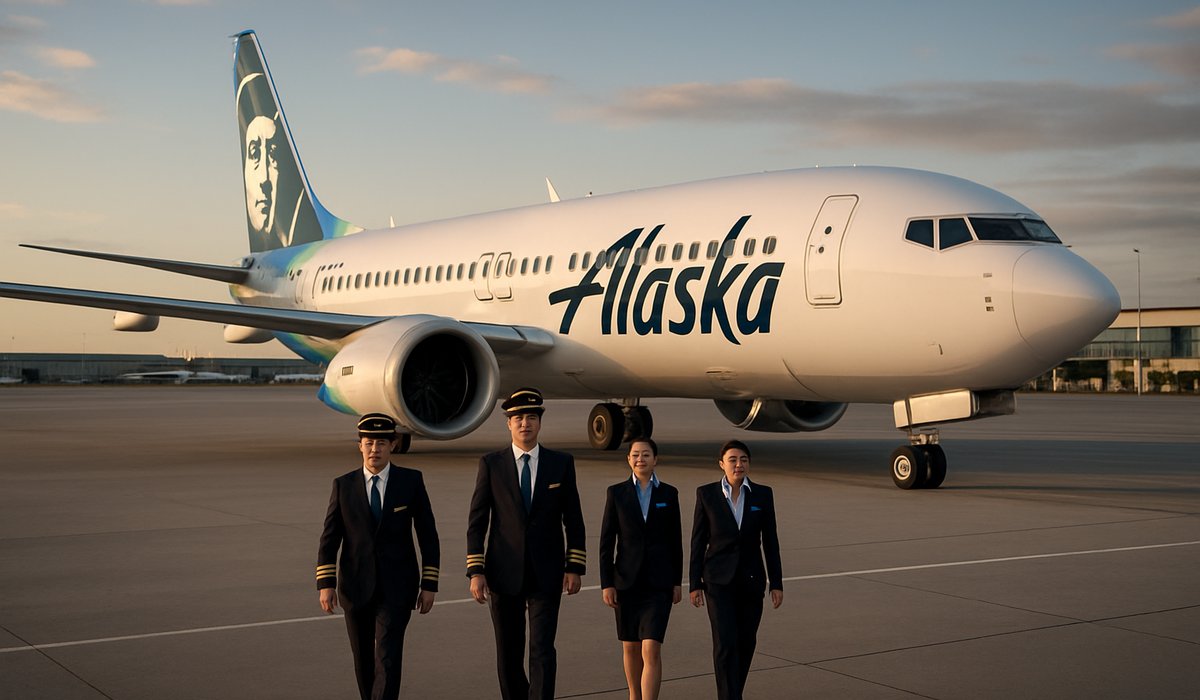
Image generated by AI
Alaska Airlines Accelerates Boeing 737 MAX 8 Expansion With 22% Capacity Boost and Fleet Growth to 17 Aircraft
Seattle carrier doubles down on fuel-efficient jets as it modernizes operations and expands domestic route network
Major Fleet Modernization Underway
Alaska Airlines is ramping up its Boeing 737 MAX 8 operations with a significant 22% increase in scheduled flights as the carrier's fleet of the advanced narrow-body aircraft reaches 17 units. The Seattle-based airline's aggressive expansion of MAX 8 service marks a strategic pivot toward next-generation aircraft that promise improved fuel efficiency and reduced operating costs—critical advantages in an industry grappling with volatile jet fuel prices and mounting pressure to control expenses.
The move represents one of the most decisive commitments by a North American carrier to the Boeing 737 MAX platform since the aircraft's return to commercial service. With an exceptionally young fleet averaging just one year old, Alaska Airlines is positioning itself to capitalize on the MAX 8's superior fuel economy and lower maintenance requirements compared to legacy narrow-body aircraft.
Growing Order Book Points to Further Expansion
Alaska Airlines' expansion plans extend well beyond current operations. The carrier has an additional eight Boeing 737 MAX 8 aircraft on firm order, signaling confidence in both the aircraft's performance and the airline's growth trajectory. These incoming deliveries will further strengthen the airline's competitive positioning in the Pacific Northwest and beyond, potentially enabling new routes and increased frequency on popular regional corridors.
Industry analysts note that the 737 MAX 8's advanced avionics and engine technology deliver approximately 20% better fuel efficiency compared to older Boeing 737 variants—a substantial advantage given that jet fuel represents one of the largest operational expenses for carriers. As global aviation fuel prices continue to fluctuate in response to geopolitical developments and market volatility, airlines investing in next-generation fleets gain meaningful financial leverage.
Competitive Positioning in the Modern Aviation Landscape
Alaska Airlines' strategic focus on fleet modernization addresses broader industry pressures. The airline industry has faced sustained challenges managing baggage charges, ancillary fees, and operational costs while maintaining competitive pricing. By deploying newer, more efficient aircraft, carriers can better absorb fuel surcharges and maintain profit margins without aggressive fee increases that might alienate consumers.
The 737 MAX 8 order reflects Alaska Airlines' confidence in long-term demand recovery across the aviation sector. As travel patterns normalize and business travel partially returns to pre-pandemic levels, airlines with flexible, efficient fleets are best positioned to capture market share and optimize route profitability.
FAQ: Boeing 737 MAX Fleet Expansion and Airline Operations
Q: Why are airlines investing heavily in Boeing 737 MAX 8 aircraft? A: The 737 MAX 8 delivers superior fuel efficiency (approximately 20% better than legacy models), lower maintenance costs, and advanced avionics—critical advantages for controlling operating expenses amid volatile jet fuel prices.
Q: How does fleet modernization affect airline fees and baggage charges? A: More efficient aircraft reduce per-seat operating costs, potentially allowing carriers to maintain competitive pricing without aggressive baggage surcharges or ancillary fee increases.
Q: What is the typical lifespan of a Boeing 737 MAX 8 aircraft? A: Commercial aircraft typically operate for 25-30 years, with the 737 MAX 8 expected to serve operators well into the 2050s with proper maintenance.
Q: How many additional 737 MAX 8 aircraft will Alaska Airlines receive? A: Alaska Airlines has eight additional Boeing 737 MAX 8 aircraft on firm order, with deliveries expected over the coming months.
Q: How does jet fuel pricing impact airline profitability and expansion plans? A: Jet fuel represents 20-30% of airline operating costs; volatile fuel prices directly impact profitability. Modern aircraft like the MAX 8 provide financial insulation against fuel cost spikes.
Related Travel Guides
- Qatar Airways Routes: 64 Destinations Suspended Amid Regional Crisis
- CommuteAir Flight C54340 Embraer E145 Diverts to Charlottesville-Albemarle Airport from Huntsville on July 18
- airBaltic Partners with Chill Spritz to Launch Zero-Sugar, Ashwagandha-Infused Functional Beverages Across European Network in 2026
Disclaimer
This article is for informational and educational purposes only. It does not constitute legal, financial, or professional advice. While we strive to provide accurate and up-to-date information, travel policies, regulations, and conditions change rapidly. Always verify information with official sources before making travel decisions. Nomad Lawyer makes no representations about the accuracy, reliability, completeness, or suitability of the information provided. Readers should consult qualified professionals for advice specific to their circumstances. The views expressed in this article are those of the author and do not necessarily reflect the views of Nomad Lawyer.
Preeti Gunjan
Contributor & Community Manager
A passionate traveller and community builder. Preeti helps grow the Nomad Lawyer community, fostering engagement and bringing the reader experience to life.
Learn more about our team →