
Alaska Airlines Retires Virgin America Brand Following Merger
Alaska Airlines' $2.6 billion acquisition of Virgin America concludes with a unified brand, fleet simplification, and a legal royalty ruling.

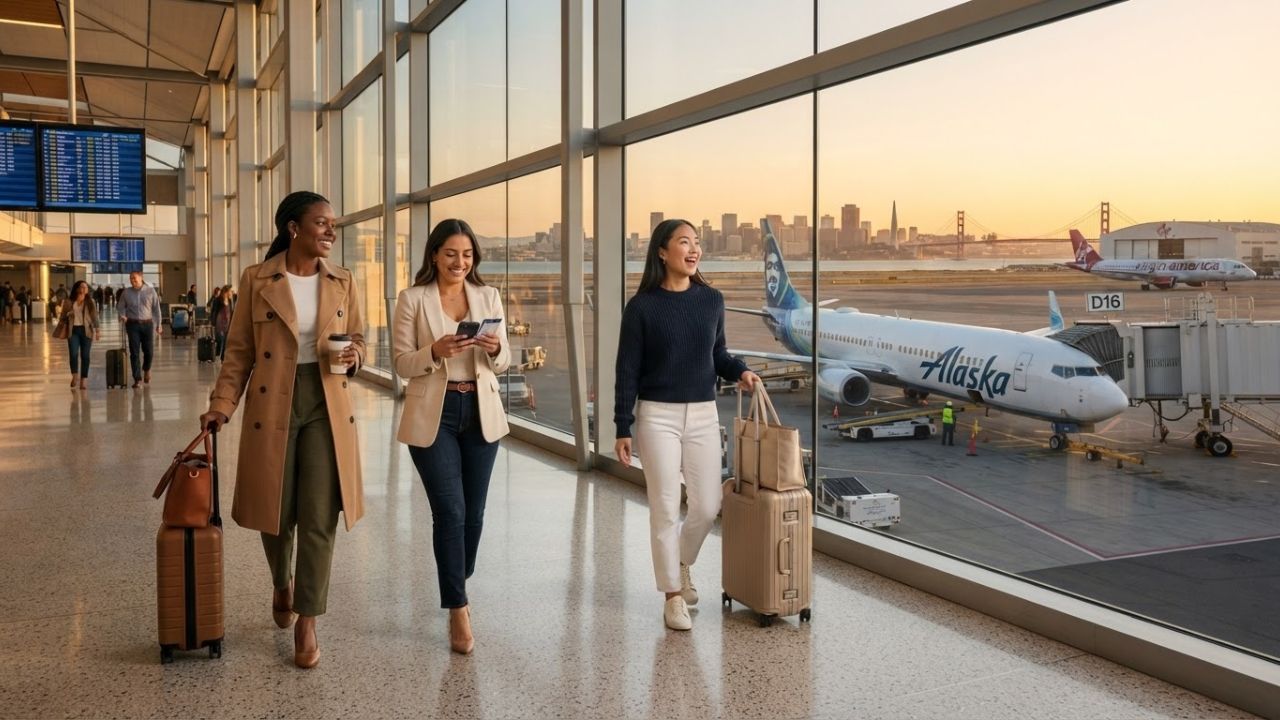
Image generated by AI
Seattle, July 26, 2026 — Industry merger analyses confirm that Alaska Airlines acquires Virgin America for $2.6 billion in equity value, completing the transition to a unified corporate brand. The strategic buyout retires the popular cabin brand to focus on a simplified single-fleet operation.
Financial reports indicate that the total transaction value reached approximately $4 billion, accounting for Virgin America’s outstanding debt and aircraft lease commitments. The deal allowed the parent carrier to secure key gate access and runway slots in highly competitive California markets, including San Francisco (SFO) and Los Angeles (LAX).
JetBlue Competition and West Coast Market Consolidation
Before the final agreement, JetBlue Airways actively competed to acquire Virgin America to expand its network beyond the East Coast:
- Strategic Match: JetBlue and Virgin America both operated Airbus A320-family fleets and prioritized high-quality cabin services.
- Alaska's Defense: Alaska Airlines placed a higher bid to prevent JetBlue from establishing a strong West Coast hub that could compete with its core Pacific Northwest routes.
- California Hubs: The purchase provided Alaska with immediate access to slots in San Francisco and Los Angeles, reducing route development times.
Fleet Standardization and Brand Retirement Decisions
Aviation metrics show that managing two distinct aircraft families increases pilot training and spare parts costs:
- Fleet Transition: Alaska Airlines standardized its operations around Boeing 737 models, gradually returning or selling Virgin America’s Airbus A320 planes.
- One Name Strategy: Retiring the Virgin America brand avoided duplicate marketing expenses, passenger confusion, and separate technology systems.
- Virgin Group Disputes: The London High Court ruled in 2023 that Alaska must continue paying royalty fees to the Virgin Group until 2039, despite the brand being retired.
- Hawaiian Airlines Contrast: In subsequent mergers, such as with Hawaiian Airlines, Alaska chose to maintain the distinct local brand due to its close geographical association with tourism.
US DOT Passenger Rights for United States Domestic Flights
For passengers flying on unified Alaska Airlines domestic routes:
- US DOT Delay Refund Rules: If a flight is canceled or significantly delayed (exceeding three hours domestic), and the passenger chooses to cancel, the airline must issue a full cash refund to the original payment card.
- Controllable Delay Rights: For delays caused by controllable mechanical issues or crew shortages, the airline provides complimentary meals after a three-hour wait and hotel lodging for overnight delays.
- Involuntary Bumping: If a passenger is bumped due to overbooking, they are entitled to cash compensation up to 400% of the one-way ticket price (capped at $1,550).
- Mileage Plan Programs: Frequent flyer miles and tier statuses are preserved and unified under the Alaska Airlines Mileage Plan.
Alaska Airlines & Virgin America Merger Financials and Fleet
| Merger Category | Virgin America Specifications | Alaska Airlines Unified Operation | Strategic Corporate Benefit |
|---|---|---|---|
| Equity Value | $2.6 billion | Unified corporate structure | Consolidated West Coast market share |
| Total Transaction Value | ~$4 billion (with debt/leases) | Consolidated financial books | Secured competitive SFO and LAX slots |
| Primary Fleet Type | Airbus A320-family aircraft | Shifted to Boeing 737 fleet | Reduced training and maintenance complexity |
| Brand Status | Retires brand completely | Alaska Airlines name survives | Lowered customer marketing overheads |
| Virgin Naming Royalties | Paid to Virgin Group | Payable until 2039 under court order | Maintained legal licensing compliance |
Why This Matters
For travelers on this route, the real impact is that the phase-out of Virgin America's Airbus fleet means the loss of popular cabin amenities like purple mood lighting and seat-to-seat text messaging, replaced by Alaska's standard domestic interior configuration. From a logistical perspective, this means that passengers should check in via the Alaska Airlines app rather than third-party portals to ensure that seat selections and elite boarding benefits are applied correctly. Travelers should verify flight credit expiration dates, as older Virgin America vouchers have been converted into Alaska Airlines credit formats.
Industry Outlook
Airlines are implementing next-generation Boeing 737 MAX models to reduce fuel burn on transcontinental routes. As airports expand boarding gates in California terminals, passenger transit times will decrease. Over the next year, expect carriers to launch automated baggage drop stations to speed up check-in loops. This digital system will support terminal efficiency.
Related Travel Guides
Disclaimer
This article is for informational and educational purposes only. It does not constitute legal, financial, or professional advice. While we strive to provide accurate and up-to-date information, travel policies, regulations, and conditions change rapidly. Always verify information with official sources before making travel decisions. Nomad Lawyer makes no representations about the accuracy, reliability, completeness, or suitability of the information provided. Readers should consult qualified professionals for advice specific to their circumstances. The views expressed in this article are those of the author and do not necessarily reflect the views of Nomad Lawyer.
Preeti Gunjan
Contributor & Community Manager
A passionate traveller and community builder. Preeti helps grow the Nomad Lawyer community, fostering engagement and bringing the reader experience to life.
Learn more about our team →