
Alaska Airlines Faces $75,000 Lawsuit Over Child's In-Flight Burn Injuries
Breaking airline news and aviation industry updates for 2026.

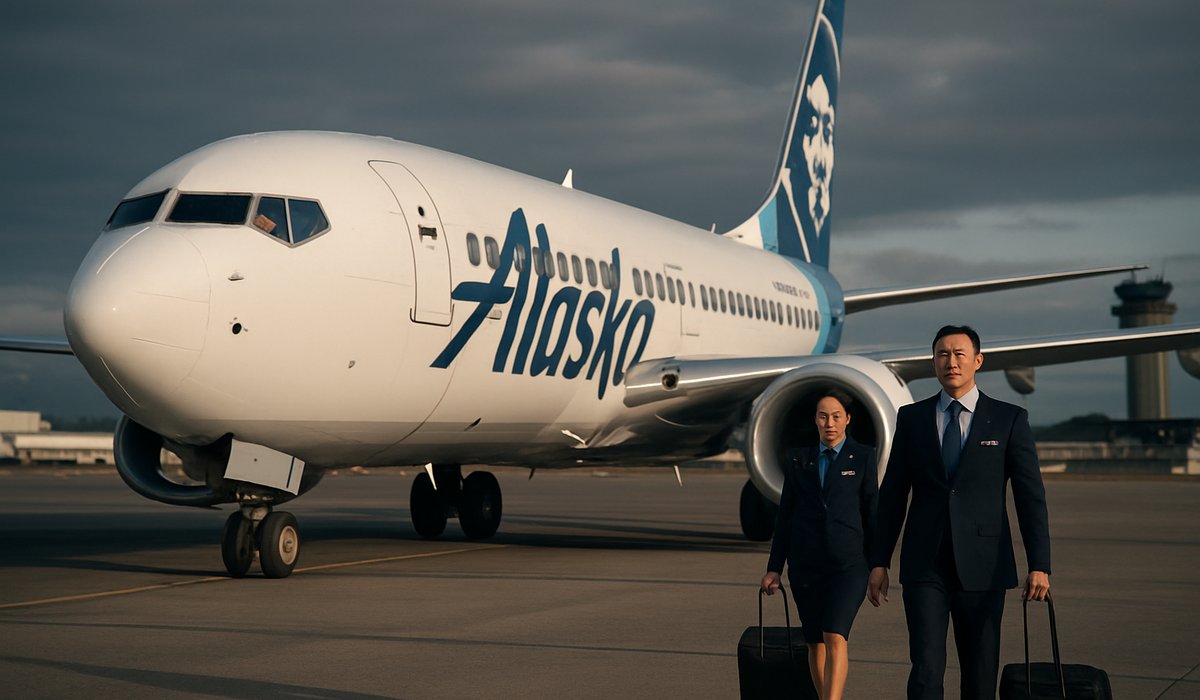
Image generated by AI
Alaska Airlines Faces $75,000 Lawsuit Over Child's In-Flight Burn Injuries
Parents allege negligent beverage service led to permanent scarring after hot tea incident aboard domestic flight
Incident Triggers Legal Action Against Major U.S. Carrier
Alaska Airlines is defending itself against a substantial civil claim after an eight-year-old passenger allegedly sustained serious thermal burns during routine in-flight beverage service. The lawsuit, filed by the child's parents, seeks $75,000 in damages stemming from a November 2022 incident aboard a flight connecting Boston Logan International Airport and Portland International Airport.
According to court filings reviewed by major media outlets, the family contends that hot tea served during the flight spilled onto the young passenger, resulting in severe burn injuries and permanent scarring. The case has reignited industry scrutiny around safety protocols governing hot beverage distribution at cruising altitude—a procedure typically considered routine by carriers operating North American routes.
Safety Concerns in the Cabin
The incident underscores growing concerns about passenger safety during beverage service, particularly involving hot liquids served in confined aircraft cabins where turbulence, narrow aisles, and proximity to seated passengers create inherent risks. Flight attendants traditionally balance operational efficiency with customer service while navigating these physical constraints during service operations.
Alaska Airlines, one of the largest carriers in the western United States, has not publicly commented on the specific allegations. The airline maintains comprehensive liability insurance and has standard protocols governing beverage temperatures and service procedures, though these practices vary across carriers in the industry.
Broader Implications for In-Flight Service Standards
This case arrives as airlines continue refining cabin safety procedures across all service categories. Industry stakeholders have debated optimal beverage temperatures, cup design specifications, and flight attendant training protocols for years, with no universally adopted standards across major carriers.
The litigation may pressure airlines to revisit service methodologies, including whether certain beverages should be offered at lower temperatures or served differently during turbulent conditions. Such modifications could affect operational costs and customer experience offerings that airlines have maintained for decades.
The family's legal pursuit reflects growing consumer expectations that carriers implement preventative measures to minimize passenger injuries during standard in-flight operations, regardless of the incident's rarity.
Frequently Asked Questions
What happened in the Alaska Airlines incident? An eight-year-old passenger allegedly suffered severe burns and permanent scarring after hot tea spilled on her during a November 2022 flight from Boston to Portland, according to her parents' lawsuit seeking $75,000 in damages.
Are airlines required to follow specific beverage temperature regulations? No universal federal standards mandate beverage temperatures on commercial flights. Individual airlines establish their own protocols, creating inconsistency across carriers regarding hot liquid service procedures.
How common are in-flight beverage-related injuries? While specific industry data remains limited, thermal injury incidents are considered rare relative to total beverage services rendered annually. However, litigation has prompted increased focus on prevention strategies.
What safety measures can airlines implement to prevent hot beverage incidents? Potential solutions include lowering serving temperatures, using specialized cup designs with secure lids, restricting service during turbulent conditions, and enhanced flight attendant training protocols.
Could this lawsuit affect airline beverage service policies industry-wide? If the case sets precedent or results in significant damages, other carriers may voluntarily revise beverage service procedures to mitigate legal and safety risks, potentially altering the in-flight passenger experience.
Related Travel Guides
Flight Delay Compensation Guide 2026
Understanding Airline Route Changes
Airport Security Process Updated (2026)
External Resources
Disclaimer
This article is for informational and educational purposes only. It does not constitute legal, financial, or professional advice. While we strive to provide accurate and up-to-date information, travel policies, regulations, and conditions change rapidly. Always verify information with official sources before making travel decisions. Nomad Lawyer makes no representations about the accuracy, reliability, completeness, or suitability of the information provided. Readers should consult qualified professionals for advice specific to their circumstances. The views expressed in this article are those of the author and do not necessarily reflect the views of Nomad Lawyer.
Kunal K Choudhary
Co-Founder & Contributor
A passionate traveller and tech enthusiast. Kunal contributes to the vision and growth of Nomad Lawyer, bringing fresh perspectives and driving the community forward.
Learn more about our team →