
Alabama Gulf Coast Travel Resilience: How Gulf Shores, Orange Beach, and Fort Morgan Win Drive-Market Vacationers

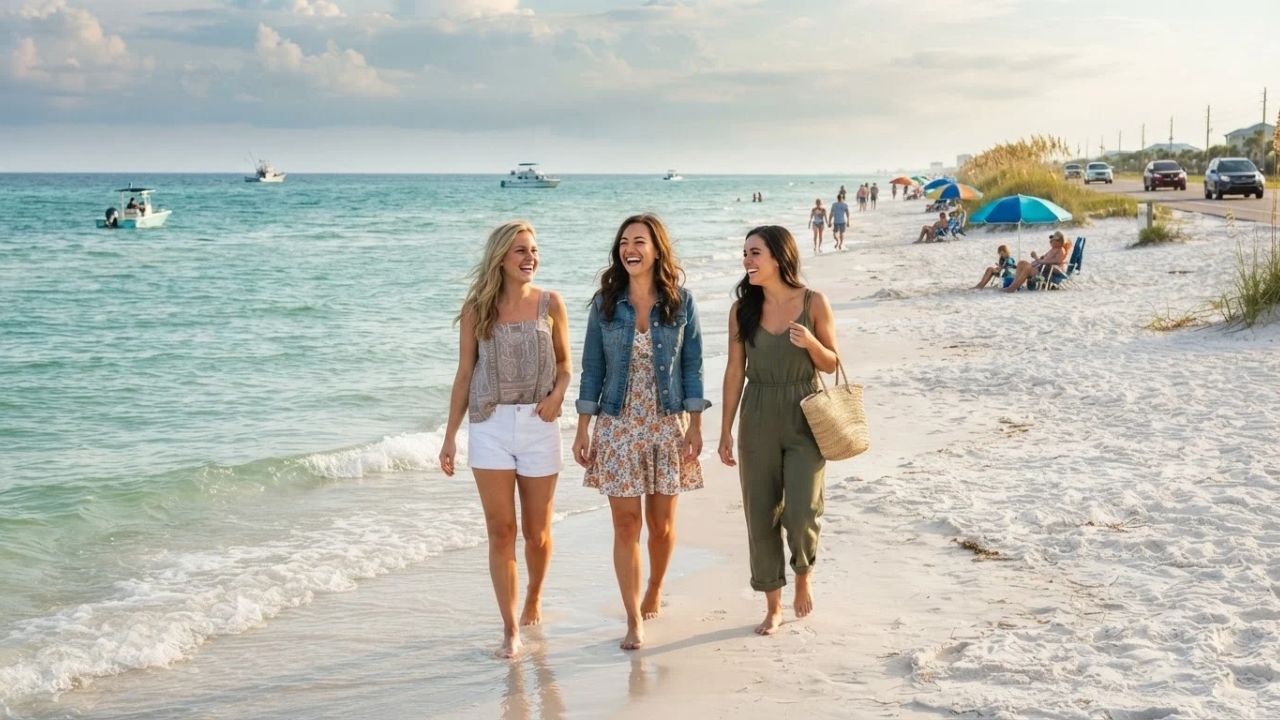
Visitor spending on lodging rentals across Alabama’s Beaches surged to a record $923 million in 2025—up from $871 million in 2024—cementing the northern Gulf Coast as one of America’s most resilient drive-to holiday corridors amid shifting domestic travel budgets. Grounded in the coastal communities of Gulf Shores, Orange Beach, and Fort Morgan, this steady economic expansion reveals how southeastern travelers are sidestepping inflated commercial airfares and costly overseas itineraries in favor of accessible, high-value coastal getaways.
According to official lodging metrics published by Gulf Shores and Orange Beach Tourism, this nearly 6% year-over-year revenue leap reflects more than robust summer occupancy. It signals a structural evolution in American holiday habits: the rapid rise of shoulder-season travel, multi-generational family road trips, and an expanding appreciation for Alabama’s 32 miles of sugar-white quartz beaches, protected coastal estuaries, and sustainable wildlife corridors.
The Local Trend Revealed: Regional Drive Markets Outpace Long-Distance Vacationing
Economic volatility and rising domestic flight prices have altered the American holiday calculation. Rather than cancelling annual family vacations, millions of households across the southeastern United States are recalibrating their routes. Travelers based in Atlanta, Nashville, Birmingham, New Orleans, Memphis, and Jackson increasingly view Baldwin County’s shoreline as their primary coastal sanctuary, reachable within an easy four- to seven-hour drive.
Arriving by car eliminates airport security lines, baggage fees, rental vehicle surcharges, and flight delay anxieties. More importantly, road travel affords vacationers total autonomy over their schedules. Families can load vehicles with beach umbrellas, paddleboards, bicycles, and groceries, allowing them to balance rental condominium self-catering with dinners at local seafood docks.
This regional accessibility has cushioned Alabama’s coastline against broader leisure travel downturns. When inflation dampens consumer appetite for $1,200 transcontinental flights or $500-a-night Caribbean resort fees, Gulf Shores and Orange Beach offer fully equipped beachfront vacation condos, historic state park cabins, and private cottages that distribute costs evenly across extended families. The resulting stability has allowed local operators, charter boat captains, and restaurateurs to maintain year-round staff rosters rather than suffering traditional off-season layoffs.
Year-Round Transformation: Conquering the Shoulder Seasons
Historically, the Alabama Gulf Coast operated on a sharp three-month seasonal curve: Memorial Day in late May marked the opening floodgate, while Labor Day in early September signaled an abrupt shutdown. That seasonal boom-and-bust cycle has fundamentally shifted.
Gulf Shores and Orange Beach Tourism data highlights that spring (March through May) and autumn (mid-September through November) now deliver unprecedented economic returns. Autumn, locally referred to as "Fall on the Island," has become the preferred travel window for discerning visitors:
- Pleasant Meteorological Conditions: Summer humidity recedes, yielding daytime highs between 75°F and 82°F (24°C to 28°C) and water temperatures hovering comfortably in the upper 70s.
- Fewer Crowds and Open Shorelines: With schools back in session, public beach access points, state park trails, and waterfront dining docks offer relaxed, peaceful environments.
- Competitive Lodging Rates: High-end beachfront properties and Gulf-front condominiums slash nightly rates by 30% to 50% compared with July peak pricing.
- Cultural and Culinary Festivities: Signature regional gatherings—most notably the Annual National Shrimp Festival held each October in Gulf Shores—draw hundreds of thousands of seafood enthusiasts and arts collectors to the beachfront without overwhelming local transport networks.
Cultural & Environmental Value: Coastal Conservation and Sustainable Stewardship
For travelers visiting Baldwin County, the authentic magic extends well beyond commercial beachfront strips. The environmental health of Alabama’s coastline is anchored by delicate ecological barriers that local authorities and state conservation agencies actively safeguard:
Protecting Pure Quartz Dunes
The brilliant white sand lining Gulf Shores, Orange Beach, and Fort Morgan is not pulverized seashells; it consists of 99% pure Appalachian quartz. Over thousands of years, ancient rivers washed quartz crystals down from the Appalachian Mountains into the Gulf of Mexico, where coastal currents ground them into silky, powdery grains. Because the mineral grains reflect sunlight rather than absorbing heat, the sand remains surprisingly cool under barefoot steps even in midday heat.
To preserve these ancient dune systems, Baldwin County enforces the strict "Leave Only Footprints" environmental policy. Every evening at sunset, beach patrol units clear all personal property—including pop-up canopies, beach chairs, umbrellas, and plastic toys—left on the sand. This daily clearance prevents obstruction for nesting sea turtles, prevents litter from entering marine habitats, and allows sea oats (Uniola paniculata) to anchor the dune ridges that shield coastal neighborhoods against hurricane storm surges.
Conservation Sanctuaries: Bon Secour and Gulf State Park
- Bon Secour National Wildlife Refuge: Spanning more than 7,000 acres across the Fort Morgan peninsula, this coastal sanctuary protects one of the last remaining undisturbed coastal barrier ecosystems along the northern Gulf. The refuge provides critical breeding and nesting grounds for the endangered Alabama beach mouse (Peromyscus polionotus ammobates), loggerhead sea turtles (Caretta caretta), and more than 370 species of migratory songbirds navigating the Mississippi Flyway.
- Hugh S. Branyon Backcountry Trail: Running through Gulf State Park and connecting Gulf Shores with Orange Beach, this world-class network encompasses 28 miles of paved multi-use trails across six distinct ecosystems. Explorers can walk or ride free park-provided bikeshare cycles past freshwater marshes, live oak maritime forests draped in Spanish moss, coastal pine flatwoods, and Lake Shelby—frequently spotting American alligators, bobcats, osprey, and bald eagles.
Visitor Insider Tips: Practical Guidance for Alabama’s Coast
Maximizing an excursion along Alabama's beaches requires practical awareness of local maritime regulations, peak windows, and under-the-radar spots:
Strategic Timing and Booking
- The Sweet-Spot Window: Target mid-September through early November for optimum weather, low rates, and vibrant seafood harvests. For spring visitors, late April through mid-May provides warm waters without the crowded frenzy of college spring break.
- Advance Condominium Reservations: While drive travelers enjoy spontaneous road-trip freedom, prime three-bedroom beachfront condominiums for summer holidays or the National Shrimp Festival book out four to six months in advance.
Coastal Safety and Beach Flags
- Understand the Beach Flag Warning System: Alabama beaches take rip currents seriously. Colored flags fly at all public lifeguard stations:
- Green: Low hazard, calm conditions.
- Yellow: Medium hazard, moderate surf and currents (exercise caution).
- Red: High hazard, rough surf and strong currents.
- Double Red: Water closed to the public (entering the water under double red flags carries strict misdemeanor fines).
- Purple: Marine pest presence (jellyfish or stingrays). Always shuffle your feet in shallow water—the "Stingray Shuffle"—to alert rays resting in the sand.
Hidden Gems Across Baldwin County
- Historic Fort Morgan Site: Travel 22 miles west of Gulf Shores to the tip of Mobile Point on State Route 180. Completed in 1834, this massive pentagonal brick fort guarded the entrance to Mobile Bay during the Civil War, serving as the dramatic stage for the 1864 naval battle where Admiral David Farragut uttered his famous order, "Damn the torpedoes, full speed ahead!" Walk through brick casemates and explore undisturbed natural beaches where crowds rarely tread.
- The Mobile Bay Car Ferry: Board the historic vehicle ferry at Fort Morgan for a scenic 40-minute voyage across the mouth of Mobile Bay to Dauphin Island. Passengers regularly spot bottlenose dolphins surfing the ferry's bow wake while enjoying sweeping views of the historic Middle Bay Lighthouse.
- Pirates Cove on Arnica Bay: Tucked away in Josephine on the northern side of the Perdido Bay peninsula, this barefoot waterside watering hole is legendary among local sailors and boaters. Order a classic cheeseburger and a frozen Bushwacker while wading in shallow bay waters.
Gulf Coast Gastronomy: Savoring Authentic Alabama Seafood
Coastal Alabama boasts one of the most distinctive seafood cultures in the United States, deeply linked to the state's commercial fishing fleets based out of Bayou La Batre and Bon Secour:
- Wild-Caught Royal Red Shrimp: Harvested at depths between 1,200 and 2,000 feet in the deep offshore canyons of the Gulf of Mexico, Royal Reds are the crown jewel of local seafood shacks. Resembling small lobsters in sweet flavor and rich texture, they are simply steamed in their deep-crimson shells and served with drawn melted butter and lemon wedges.
- Original West Indies Salad: Conceived on Mobile Bay in the 1940s, this refreshing coastal delicacy features fresh jumbo lump blue crab meat, finely minced sweet Vidalia onions, cider vinegar, neutral oil, and ice water, marinated overnight. Served chilled over saltine crackers, it showcases the pristine sweetness of local crab without heavy mayonnaise dressings.
- Boutique Farmed Mobile Bay Oysters: Alabama’s oyster farmers have pioneered off-bottom oyster aquaculture in Portersville Bay and Mobile Bay. Renowned varieties such as Murder Point Oysters—marketed with the cheeky slogan "Oysters worth killing for"—deliver a butter-rich, silky finish with a clean, crisp saline snap.
- Crispy Fried Crab Claws: Available at virtually every harborside fish camp from Gulf Shores to Orange Beach, blue crab cocktail claws are dipped in light cornmeal batter, flash-fried until golden, and served with tangy Southern comeback sauce.
- The Legendary Bushwacker: Alabama's signature beach cocktail, this frozen dessert-like adult drink blends dark rum, coffee liqueur, chocolate liqueur, crème de cacao, and a rich vanilla ice cream base. It is the quintessential sunset accompaniment at open-air beach bars along the Gulf.
Tourism Outlook: Infrastructure, Investment, and Balanced Expansion
The record $923 million lodging milestone recorded across Gulf Shores, Orange Beach, and Fort Morgan demonstrates that Alabama’s coastal travel sector is expanding from a position of undeniable strength. With millions of visitors arriving each year, local municipalities and the Alabama Department of Conservation and Natural Resources are prioritizing investments that protect the very natural assets driving this demand.
Recent multi-million-dollar infrastructure investments emphasize pedestrian accessibility, including the revitalization of the Gulf State Park Pier, expanded beachfront boardwalks, and improved multi-modal trail corridors that ease vehicular traffic along Highway 182. Simultaneously, ongoing initiatives to restore natural marshes and reinforce barrier dunes ensure that future expansions remain environmentally sustainable.
As economic realities continue to reshape American domestic leisure travel, Alabama’s Gulf Coast proves that value, accessibility, and pristine natural beauty create an enduring travel formula. By pairing unpretentious Southern hospitality with world-class beaches and proactive environmental conservation, Gulf Shores, Orange Beach, and Fort Morgan stand ready to lead American coastal tourism well into the future.
Related Travel Guides
Disclaimer
This article is for informational and educational purposes only. It does not constitute legal, financial, or professional advice. While we strive to provide accurate and up-to-date information, travel policies, regulations, and conditions change rapidly. Always verify information with official sources before making travel decisions. Nomad Lawyer makes no representations about the accuracy, reliability, completeness, or suitability of the information provided. Readers should consult qualified professionals for advice specific to their circumstances. The views expressed in this article are those of the author and do not necessarily reflect the views of Nomad Lawyer.
Raushan Kumar
Founder & Lead Developer
Full-stack developer with 11+ years of experience and a passionate traveller. Raushan built Nomad Lawyer from the ground up with a vision to create the best travel and law experience on the web.
Learn more about our team →