
Sales Airfare Really? Why Airlines' Revenue Management is Eroding Trust in 2026
Airlines' aggressive revenue management tactics are making sales airfare really hard to believe in 2026. Restricted inventory and dynamic pricing fragment deals across routes, leaving travellers questioning whether promotions actually exist.

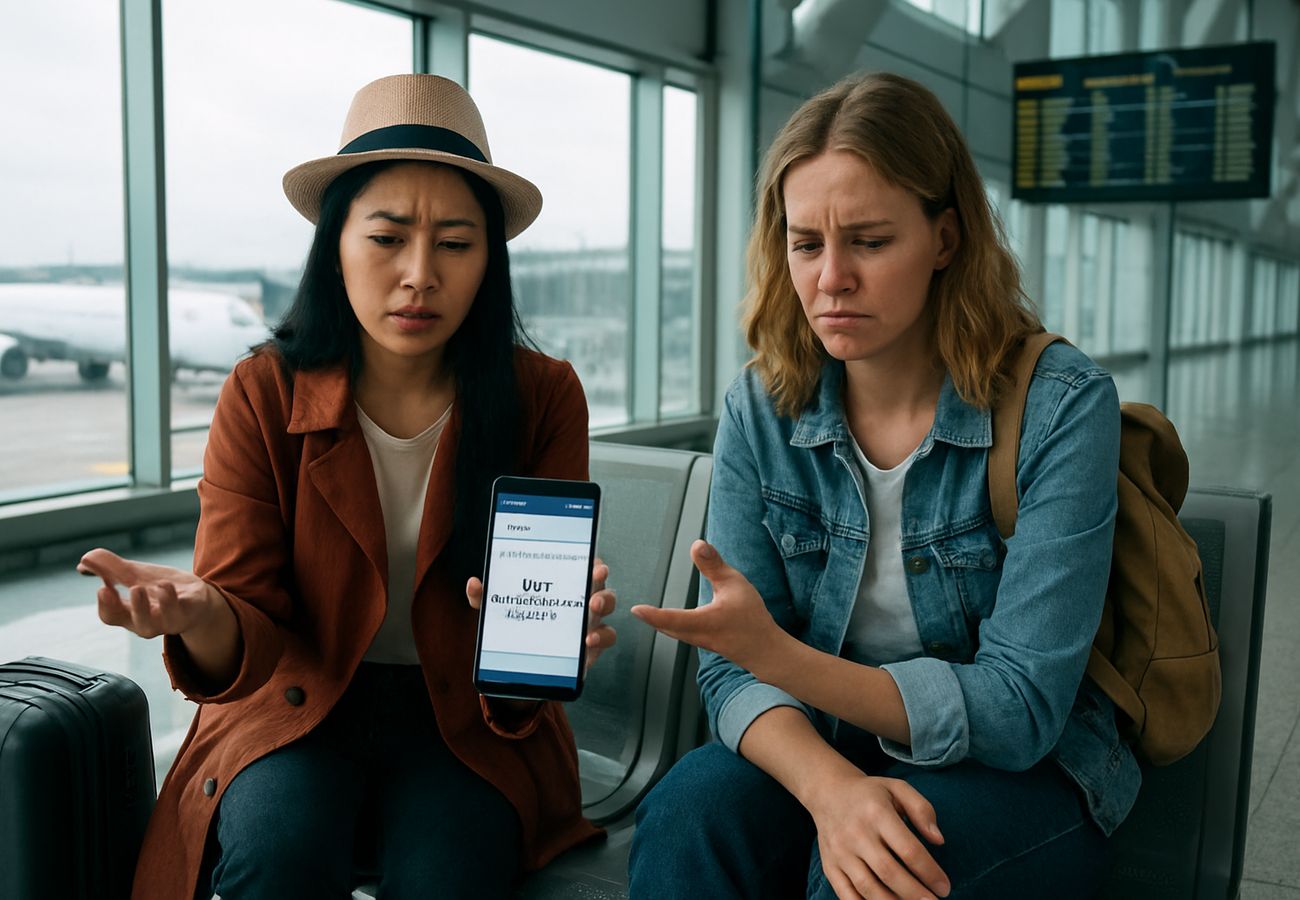
Image generated by AI
The Trust Crisis in Airline Marketing
Airlines worldwide are facing a credibility crisis as revenue management departments restrict promotional inventory to artificially high-yielding dates. In 2026, travellers see advertised flight deals and discover the savings apply nowhere near their preferred travel windows or destinations. What once felt like genuine sales now feels like marketing theatre, eroding decades of consumer trust in airline promotions.
Industry leaders are sounding alarms. Complex Travel Group's leadership notes that carriers have become "hell-bent on maximising revenue above all else," often sacrificing customer loyalty and market share in the process. The result: consumers spot an airfare sale, click through, and find the deal unavailable on dates they need, to cities they want, or in any meaningful way. Many travellers now question whether advertised promotional pricing genuinely exists.
The Illusion of Airfare Sales
Sales airfare really can be legitimate discounts, but context matters everything. The problem isn't that airlines stopped offering deals—it's that inventory constraints make promotions feel thin and disconnected from consumer expectations.
Airlines now practice hyper-selective promotional strategies. Rather than releasing lower-yielding inventory across broad date ranges, carriers concentrate discounted fares on off-peak travel windows they're confident they'll fill at premium prices closer to departure. This creates the appearance of sales without the substance travellers expect. Industry observers point out that "pricing and wide-scale availability of tactical promotions are not always matching consumer expectations."
Some airlines release sales where the discounted inventory is barely visible. A 5-10% discount on three flights per week across a month-long sale period doesn't feel like a sale when 90% of available seats remain full-price. The gap between advertised savings and actual availability has become so wide that consumer trust in flight deals marketing activities has begun to erode noticeably. This risk extends beyond quarterly results—persistent consumer skepticism about airline pricing could fundamentally reshape booking behaviours and brand perception.
Visit FlightAware to track real-time pricing fluctuations and compare advertised fares against actual available inventory on your preferred routes.
Revenue Management at the Expense of Consumer Trust
Dynamic route pricing represents a seismic shift in how airlines structure promotional campaigns. Rather than offering consistent markdowns across similar routes, carriers now price destinations individually based on real-time demand, competitor activity, and inventory levels.
This means Dublin or Frankfurt fares might be thousands of dollars cheaper than popular ports like Athens, London, or Rome on the same travel dates. While airlines' approach makes business sense—reacting to live market demand improves yield management—it decimates consumer perception of what constitutes a meaningful sale.
Travellers in 2026 still expect the promotional patterns from the 2010s, when destinations were commonly featured in tactical offers and availability dictated final pricing. Today, a half-dozen factors influence fares: branded cabin classes, seasonal demand, competitive pressure, fuel costs, and route-specific inventory levels. This fragmentation leaves customers frustrated and confused.
The pricing variance has widened dangerously. A 10-15% difference between destinations remains manageable for consumers, but 30-60% gaps make marketing investments feel hollow. When a Dublin economy fare is $1,200 while the same routing to Rome costs $2,100 during an advertised "European sale," the promotional message loses credibility regardless of actual savings on either route.
How Dynamic Route Pricing Fragments the Deal
Inventory restrictions on high-demand routes are the primary culprit behind disappearing sales airfare really opportunities. Airlines identify routes where demand naturally exceeds supply and deliberately withhold discounted inventory from promotional windows.
Popular European gateways demonstrate this clearly. London, Rome, and Paris routes generate reliable full-plane loads, allowing carriers to maintain premium pricing year-round while promoting deep discounts to secondary cities. The math works for airlines: selling 80% of seats to Rome at $2,200 exceeds revenue from selling 95% of seats to Prague at $1,100.
Secondary markets see more aggressive promotional activity because they require price incentives to compete for travellers. Asia-Pacific routing patterns illustrate this dynamic particularly well. Airlines release minimal sales on Asian routes, instead using them as gateway ports to Europe where the real revenue happens. Demand for Vietnam and Japan travel has grown substantially in 2026, allowing carriers to maintain higher fares without relying on promotional pricing.
This inventory strategy creates a two-tier market: primary destinations with restricted sales and premium baseline pricing, and secondary markets where seasonal promotions create the illusion of activity. Savvy travellers learn to book primary routes at full price or accept limited dates, while secondary markets receive occasional promotional windows that feel substantial by comparison.
Check US DOT's Airline Consumer Protection Resources to understand your rights when advertised fares become unavailable.
The Long-Term Risk to Airline Marketing
Repeated promotional cycles in mature markets like North America have already begun reshaping consumer booking behaviour in measurable ways. Airlines promoting Americas travel every 5-7 weeks trained entire customer segments to wait for sales rather than pay year-round pricing.
This creates a dangerous feedback loop. When airlines release sales frequently enough that consumers anticipate the next promotion, baseline pricing loses credibility. Travellers delay bookings, reducing immediate revenue and forcing carriers to continue promotional cycles to maintain sales volume. Price expectations reset downward, and passengers increasingly view promotional offers as the "real" price rather than exceptional discounts.
The psychology extends beyond frequency. When fares cross critical psychological price points, traveller sentiment shifts dramatically. Economy routes to Australia become unpopular above $3,000 per ticket—the "$2" prefix dramatically influences purchasing decisions. Business class shows similar resistance at $8,000, $10,000, and $12,000 thresholds. Airlines that push beyond these ceiling prices discover revenue maximisation actually works against them, as customers redirect travel to alternative destinations entirely.
This pattern suggests that aggressive revenue management and inventory restrictions may be harvesting short-term gains at the cost of long-term brand equity. When sales airfare really no longer feels credible, airlines lose a powerful marketing tool and consumers default to comparing baseline pricing across carriers rather than waiting for promotions.
Explore FAA Travel Resources for additional passenger rights and flight disruption information.
Key Data: 2026 Airline Pricing Dynamics
| Metric | Finding | Impact |
|---|---|---|
| Economy Airfare Ceiling (Australia) | $3,000 USD | Fares above this threshold significantly reduce booking intent |
| Business Class Booking Floor | Under $8,000 USD | Strong traction on pricing; moderate interest at $8-9k range |
| Business Class Hard Ceiling | $10,000+ USD | Dramatic booking volume drop; second ceiling at $12,000 |
| Typical Sale Date Restriction | 5-7 weeks between promotions | Trains consumers to wait for next cycle rather than purchase |
| Price Variance (Primary vs. Secondary Routes) | 30-60% difference | Erodes perception of genuine promotional savings |
| Promotional Inventory Availability | Often <20% of total seats | Makes advertised sales barely visible to consumers |
| Trust Erosion Timeline | Ongoing through mid-2026 | Consumers increasingly skeptical of airline promotional claims |
What This Means for Travellers
Navigating airline sales airfare really in 2026 requires understanding how revenue management shapes what discounts actually exist for your travel plans.
Traveler Action Checklist
-
Identify your absolute travel dates first. Don't assume sales will include your preferred dates. Check advertised promotions against your calendar before clicking.
-
Compare multiple destinations simultaneously. Dynamic pricing means the same airline offers different savings to different cities. Flexibility on routes reveals better deals than loyalty to specific destinations.
-
Track historical pricing patterns on your preferred routes. Use [FlightAware](https://FlightAware
Disclaimer
This article is for informational and educational purposes only. It does not constitute legal, financial, or professional advice. While we strive to provide accurate and up-to-date information, travel policies, regulations, and conditions change rapidly. Always verify information with official sources before making travel decisions. Nomad Lawyer makes no representations about the accuracy, reliability, completeness, or suitability of the information provided. Readers should consult qualified professionals for advice specific to their circumstances. The views expressed in this article are those of the author and do not necessarily reflect the views of Nomad Lawyer.
Preeti Gunjan
Contributor & Community Manager
A passionate traveller and community builder. Preeti helps grow the Nomad Lawyer community, fostering engagement and bringing the reader experience to life.
Learn more about our team →