
Airline Middle East Crisis: $53B Market Collapse Drives March 2026 Fare Surge
Airline middle east conflicts have erased $53 billion in carrier valuations as jet fuel prices surge in March 2026. Travelers face unprecedented airfare increases and widespread flight disruptions.

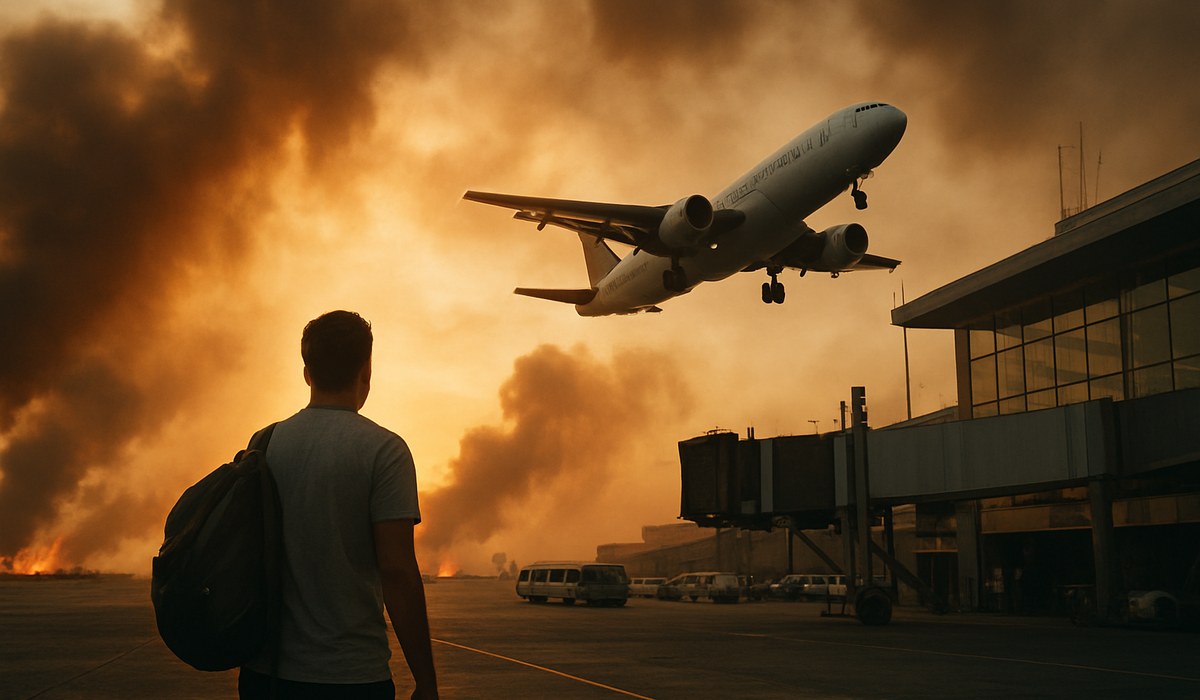
Image generated by AI
Regional Aviation Faces Historic $53 Billion Valuation Collapse
Regional carriers and global aviation networks are reeling from geopolitical instability across the Middle East, which has wiped approximately $53 billion from airline market capitalizations in March 2026. The escalating conflict has triggered unprecedented disruptions to fuel supplies, upended pricing models, and forced carriers to impose emergency surcharges on passengers worldwide. Industry analysts warn that the aviation sector faces its most severe profitability crisis since the pandemic recovery.
The crisis stems from volatile jet fuel availability and skyrocketing commodity prices. Major carriers operating Middle East routes—including Emirates (EK), Etihad Airways (EY), and Qatar Airways (QR)—report capacity reductions and operational restructuring. Passengers booking transatlantic, transpacific, and intra-Asian flights are encountering fares up to fifty percent higher than forecasted rates for spring 2026.
Jet Fuel Prices Double Amid Supply Chain Disruption
Crude oil and jet fuel markets have experienced dramatic price escalation since early March 2026. Aviation fuel costs have doubled compared to pre-conflict baseline prices recorded in February. The spike reflects both immediate supply constraints and geopolitical risk premiums embedded into commodity markets.
According to the International Air Transport Association (IATA), jet fuel prices have reached levels not observed since 2008. Regional refineries serving the Middle East aviation hub have reduced output. Alternative fuel sources require weeks to establish, leaving carriers dependent on expensive spot-market purchases. Airlines operating hubs in Dubai (DXB), Abu Dhabi (AUH), and Doha (DOH) face the highest exposure to price volatility.
Smaller carriers dependent on narrow margins have announced temporary route suspensions. Low-cost carriers, already operating at reduced profit margins, cannot absorb fuel surcharges without passing costs directly to passengers.
Global Airlines Announce Emergency Fare Increases and Capacity Cuts
The airline middle east crisis has triggered coordinated pricing responses across major international carriers. British Airways, Lufthansa, Air France-KLM, and Singapore Airlines have introduced fuel surcharges ranging from $30 to $75 per flight segment. Economy class fares on premium routes have increased by forty to fifty percent in some markets.
Airlines operating through Middle East hubs face compounded challenges. Turkish Airlines (TK), which relies heavily on Istanbul (IST) as a connecting point for Europe-Asia traffic, has reduced frequency on several regional routes. Thai Airways (TG) and Malaysia Airlines (MH) report booking declines as passengers delay non-essential travel.
Cargo operations remain profitable. Freight rates have surged, incentivizing operators to prioritize cargo over passenger traffic on capacity-constrained aircraft. This dynamic further reduces seat availability for leisure and business travelers.
Aviation Industry Data: Market Impact Assessment
| Metric | March 2026 Status | February 2026 Baseline | Change |
|---|---|---|---|
| Global airline market cap loss | $53 billion | Baseline period | -$53B |
| Jet fuel price per barrel | $95–102 | $45–48 | +100% |
| Average transatlantic economy fare | $780–920 | $520–640 | +40–50% |
| Emirates capacity utilization | 78% | 94% | -16 points |
| Etihad Airways route suspensions | 12 major routes | Baseline | +12 |
| IATA fuel surcharge recommendation | $60–75 | $15–20 | +300% |
What This Means for Travelers: Navigating the March 2026 Crisis
Passengers must act decisively to minimize exposure to escalating fares and flight cancellations. Here are essential steps:
-
Book immediately if travel is essential within the next sixty days. Fares are unlikely to decrease while fuel prices remain elevated.
-
Use flexible date searches on FlightAware to identify cheaper departure windows and alternative airports.
-
Avoid peak travel windows in March-April. Mid-week flights offer twenty to thirty percent discounts compared to weekend departures.
-
Check airline fuel surcharge policies before booking. Some carriers (notably Middle East-based operators) apply surcharges retroactively to existing reservations.
-
Purchase trip insurance immediately. Cancellation policies may exclude coverage for geopolitical events if purchased after March 23, 2026.
-
Verify US DOT passenger rights before accepting rebooking on alternate flights. Airlines cannot automatically downgrade passengers to basic economy.
-
Monitor FAA travel advisories for corridor-specific disruptions and equipment substitutions.
Frequently Asked Questions
How does the airline middle east conflict impact my booking right now? If you booked before March 20, 2026, your fare is locked unless the airline initiates a schedule change. New bookings face the full fifty-percent price increase. Monitor your airline's website for fuel surcharge additions applied to existing reservations.
Will airline middle east prices stabilize before summer 2026? Industry forecasts suggest fuel prices will remain elevated through at least May 2026. Geopolitical risks must resolve and supply chains must normalize before meaningful fare reductions occur. Plan accordingly for spring and early summer travel.
Which airlines are most affected by the Middle East aviation crisis? Carriers with significant hub operations in Dubai, Abu Dhabi, and Doha face the highest impact. These include Emirates, Etihad, Qatar Airways, and Turkish Airlines. Legacy carriers (American, United, BA) face secondary impacts through increased fuel costs and capacity constraints.
Can I get a refund if my flight is delayed due to fuel availability? Refund policies depend on whether the airline cancels the flight or merely delays it. According to the US Department of Transportation, airlines must offer cash refunds for cancellations. Delays alone do not guarantee refunds, though you may qualify for rebooking on alternate carriers.
Related Travel Guides
2026 Middle East Aviation Disruption Tracker: Real-Time Updates
Complete Airline Passenger Rights Guide for 2026
Budget Travel Strategies During High Fuel Price Periods
Disclaimer
Disclaimer: This article reflects aviation industry conditions as of March 22, 2026, based on data from the International Air Transport Association (IATA) and airline announcements. Specific fares, surcharges, and route suspensions remain fluid. Verify current pricing, fuel surcharges, and travel advisories directly with your airline and the FAA before finalizing travel plans. This analysis does not constitute financial or travel advice.
Raushan Kumar
Founder & Lead Developer
Full-stack developer with 11+ years of experience and a passionate traveller. Raushan built Nomad Lawyer from the ground up with a vision to create the best travel and law experience on the web.
Learn more about our team →