
Aircraft Giving Canada New Runway for Melbourne Ambitions by 2030
Air Canada's upcoming Airbus A350-1000 fleet could unlock long-awaited direct Vancouver-Melbourne service starting 2030, marking the carrier's return to Australian expansion ambitions disrupted by the pandemic.

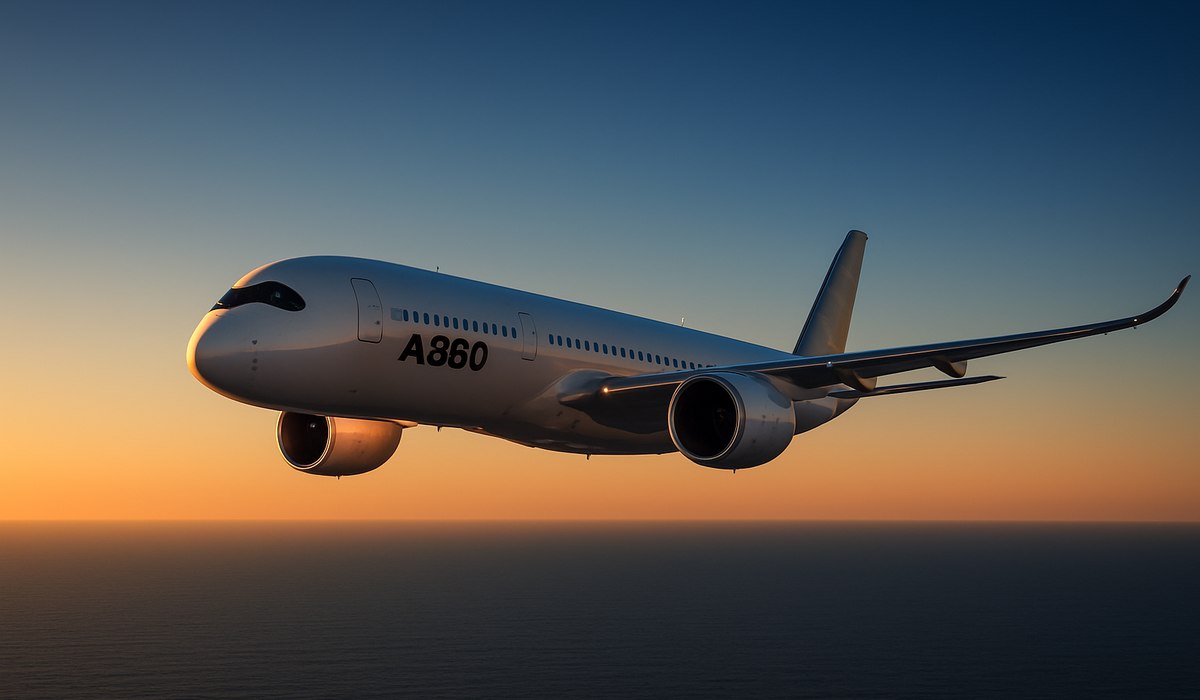
Image generated by AI
Air Canada's A350-1000 Fleet Could Reignite Melbourne Route Dreams
Air Canada is eyeing a potential return to Melbourne with its next-generation Airbus A350-1000 fleet, which begins arriving in 2030. The ultra-long-range aircraft could finally make a direct Vancouver-Melbourne service operationally feasible, reviving pre-pandemic ambitions shelved during COVID-19 disruptions. While no official route announcement has been made, airline executives confirm Melbourne remains strategically important for Australian market growth once the new aircraft enable longer, more efficient transpacific operations.
The Melbourne opportunity represents a critical inflection point for Air Canada's Asia-Pacific strategy. Managing Director International Sales Rocky Lo stated during a Sydney briefing marking 10 years of Brisbane-Vancouver service that Melbourne had been on the carrier's radar before pandemic-related operational challenges surfaced. Enhanced pilot staffing requirements and stricter alternate airport planning regulations complicated long-haul route economics, making the route temporarily impractical under the existing fleet.
Melbourne Returns to Air Canada's Growth Radar
Melbourne's return to Air Canada's expansion conversation reflects the airline's confidence in Australia as a sustained growth market despite operational complexities. Before the pandemic, Melbourne represented a natural expansion point from Air Canada's established Sydney and Brisbane hubs. However, post-COVID regulatory changes in Canada significantly increased operational requirements, particularly around crew scheduling and mandatory alternate airport planning protocols.
These regulatory hurdles coincided with fleet limitations that made long-haul ultrasonic routes economically marginal. Air Canada's current wide-body aircraft lack the range efficiency needed for consistent profitability on the Vancouver-Melbourne corridor under modern operational constraints. Lo emphasized Air Canada's long-term commitment to Australia, noting the airline maintains dedicated local teams and continues viewing the market as strategic for both carrier and Canada's broader tourism initiatives.
Current Air Canada operations in Australia remain strong despite these challenges. Sydney-Vancouver and Brisbane-Vancouver routes operate profitably, with Brisbane recently upgraded to larger Boeing 787-9 equipment reflecting premium demand growth. This foundation positions Melbourne as a logical third Australian gateway once aircraft capability improves.
The A350-1000: Unlocking Ultra-Long-Range Routes
Air Canada's ordered eight Airbus A350-1000 aircraft with options for eight additional units, with initial deliveries commencing in the second half of 2030. This ultra-long-range twin-engine jet offers the range, fuel efficiency, and passenger capacity essential for sustainable Melbourne service. The A350-1000 can operate direct flights on routes previously requiring stops or considered operationally marginal under traditional economics.
The aircraft's specifications align perfectly with Vancouver-Melbourne requirements. Extended range capability enables direct service while maintaining adequate fuel reserves for alternate airports—a critical regulatory compliance factor. Improved fuel efficiency reduces operating costs per available seat mile compared to older wide-body widebodies, enhancing route profitability even on traditionally challenging distance pairings.
Air Canada has not publicly disclosed cabin configurations for its A350-1000 fleet, though industry standards suggest premium-heavy layouts. The airline's demonstrated preference for enhanced business and premium economy seating reflects strong demand from Australian markets. Larger premium cabins on long-haul routes correlate directly with improved yield management, particularly on Australia-Canada pairings where corporate and premium leisure segments show sustained growth.
Deployment timing remains fluid. Air Canada executives deliberately avoided committing Melbourne to formal consideration, though the aircraft arrival timeline suggests realistic evaluation could occur in 2030-2031 timeframe once initial fleet experience accumulates.
Regulatory Hurdles and Operational Challenges
While the A350-1000 addresses aircraft range limitations, regulatory obstacles remain substantial. Canadian pilot staffing regulations and mandatory alternate airport requirements add operational complexity to ultra-long-range services. Airlines must maintain specific crew rest protocols and identify suitable emergency diversion airports along planned flight paths—constraints that increase planning requirements for polar or trans-oceanic routes.
Melbourne's position in the southern hemisphere creates additional scheduling considerations around crew fatigue management and operational window availability. Flight crew must comply with strict duty time limitations, potentially necessitating crew changes or extended ground times. These factors impact schedule optimization and aircraft utilization rates, directly affecting route economic viability.
International aviation agreements and air service entitlements also influence route launches. Bilateral agreements between Canada and Australia govern capacity allocations and frequency limitations, requiring diplomatic coordination beyond pure aircraft capability. Previous pandemic disruptions may have affected existing entitlements, requiring potential renegotiation before service commencement.
The regulatory environment remains dynamic, with ongoing adjustments to pilot rest requirements and environmental compliance standards. Airlines planning 2030-era route launches must account for anticipated regulatory evolution, adding uncertainty to long-term planning assumptions.
Timeline and Future Deployment Strategy
Air Canada's Melbourne ambitions depend critically on A350-1000 integration timing and network deployment decisions. First aircraft deliveries in second-half 2030 suggest earliest realistic Melbourne launch in 2031 at minimum, pending operational validation and crew training completion. Initial fleet utilization will likely prioritize existing long-haul markets before introducing new routes.
The airline's current Australian strategy relies on connectivity partnerships with Virgin Australia to feed Melbourne, Perth, and Canberra passengers through Brisbane and Sydney hubs. This feed concept works efficiently with existing aircraft economics, reducing immediate pressure for direct Melbourne service. However, A350-1000 economics could make nonstop operations more attractive than continued hub-and-spoke alternatives.
Air Canada's broader fleet modernization includes 14 ordered Boeing 787-10 aircraft, arriving end-2026 onward. These represent intermediate investments in premium capacity before A350-1000 integration. The staggered fleet arrival sequence suggests a measured deployment strategy rather than aggressive network expansion. Melbourne timing will depend on A350-1000 performance on existing routes and company confidence in sustainable demand.
Lo's comments suggest Melbourne evaluation remains conditional on aircraft performance and market conditions rather than committed expansion. This measured approach protects Air Canada from overcommitting capacity to uncertain routes while maintaining strategic optionality for 2030-era decision-making.
What This Means for Travelers
Potential Melbourne-Vancouver direct service carries significant implications for Australian travelers seeking premium Canada connectivity and North American gateway options:
-
Route Timeline Expectations: Monitor Air Canada announcements in 2030-2031 timeframe following A350-1000 entry-into-service events and operational validation periods.
-
Premium Cabin Availability: Early Melbourne service will likely feature enhanced business and premium economy configurations, potentially commanding premium pricing during launch periods.
-
Partnership Benefits: Existing Star Alliance loyalists should accumulate points anticipating potential Melbourne service launch, as early availability often favors frequent flyer program members.
-
Pricing Dynamics: Direct service competition between Australian carriers and Air Canada will benefit consumers through competitive fare improvements once Melbourne service launches.
-
Schedule Planning: Current travelers should utilize existing Sydney-Brisbane hub connections through 2030, as direct service remains unconfirmed for near-term booking horizons.
-
Travel Documentation: Confirm passport validity and Canadian entry requirements well in advance, as direct service may initially offer limited booking windows during ramp-up phases.
Tracking Air Canada's A350-1000 delivery schedule provides advance notice for strategic travel planning around potential Melbourne route launches.
Data Summary: Air Canada's Australian Operations and Fleet Evolution
| Factor | Current Status | 2030 Projection |
|---|---|---|
| A350-1000 Deliveries | Not yet started | 8 aircraft ordered, deliveries begin H2 2030 |
| Melbourne Direct Service | Not available | Potential launch 2031 if approved |
| Brisbane-Vancouver Route | Active with 787-9 | Likely continued with potential 787-10 substitution |
| Sydney-Vancouver Aircraft | Boeing 777-200 | Maintained for premium cabin capacity |
| Regulatory Barriers | Pilot staffing, alternate airport requirements | Anticipated enhancement with A350-1000 efficiency |
| Premium Demand |
Disclaimer
This article is for informational and educational purposes only. It does not constitute legal, financial, or professional advice. While we strive to provide accurate and up-to-date information, travel policies, regulations, and conditions change rapidly. Always verify information with official sources before making travel decisions. Nomad Lawyer makes no representations about the accuracy, reliability, completeness, or suitability of the information provided. Readers should consult qualified professionals for advice specific to their circumstances. The views expressed in this article are those of the author and do not necessarily reflect the views of Nomad Lawyer.
Kunal K Choudhary
Co-Founder & Contributor
A passionate traveller and tech enthusiast. Kunal contributes to the vision and growth of Nomad Lawyer, bringing fresh perspectives and driving the community forward.
Learn more about our team →