
Aircraft Giving Canada New Melbourne Route Path via A350-1000 Fleet
Air Canada's future Airbus A350-1000 ultra-long-range aircraft could unlock direct Vancouver-Melbourne service by 2030+, reviving pre-pandemic expansion ambitions in Australia's second-largest market.

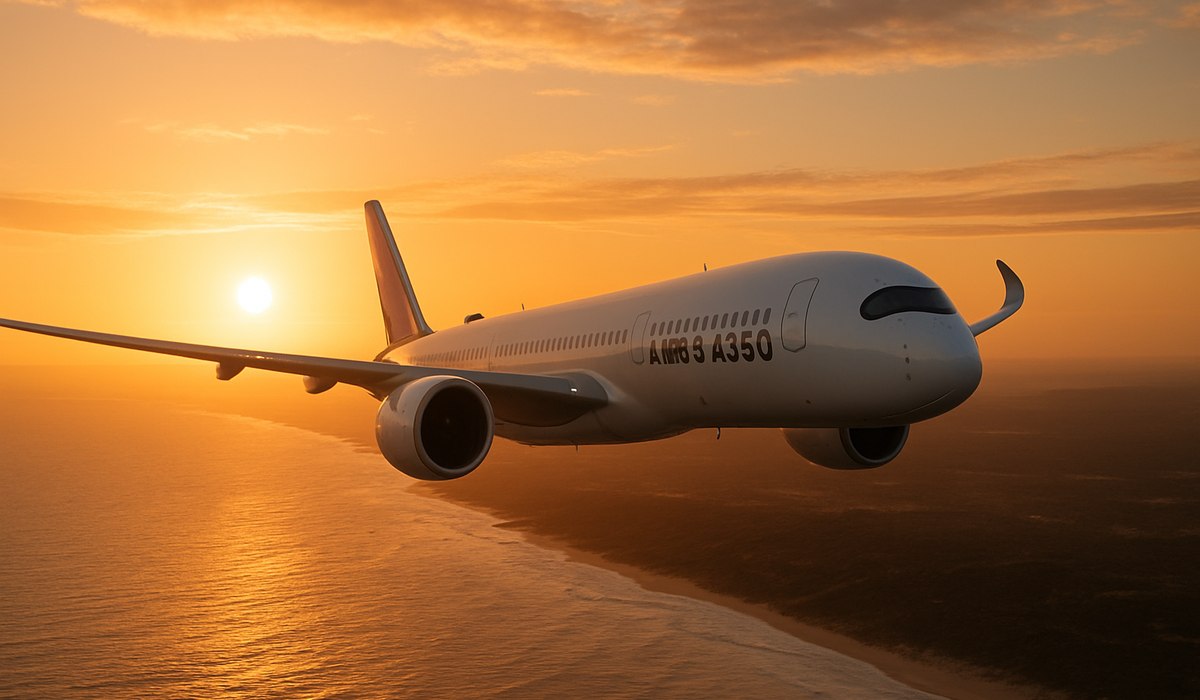
Image generated by AI
Direct Vancouver-Melbourne Service Could Resume via New Aircraft Fleet
Air Canada has signaled serious interest in resuming direct Vancouver-Melbourne flights using its future Airbus A350-1000 ultra-long-range fleet expected to arrive from 2030 onwards. The Canadian carrier suspended seasonal Melbourne service before the pandemic, but executives now view the aircraft giving Canada new operational capabilities that could make this route commercially viable. Managing Director International Sales Rocky Lo confirmed Melbourne remains on the airline's radar for Australian expansion, contingent on the A350-1000's entry into service and favorable regulatory conditions.
Why Melbourne Matters to Air Canada's Australian Strategy
Melbourne represents Air Canada's untapped gateway to Australia's second-largest city and Victoria's economic hub. Pre-pandemic, Air Canada operated seasonal Vancouver-Melbourne flights, tapping into strong leisure and premium business demand. The route was suspended due to pandemic impacts and subsequent regulatory changes affecting pilot staffing requirements and alternate airport mandates.
Lo emphasized Melbourne's strategic value during a Sydney briefing celebrating 10 years of Air Canada's Brisbane-Vancouver service. Currently, Air Canada feeds Melbourne passengers through Brisbane and Sydney partnerships with Virgin Australia, capturing traffic via one-terminal connections. However, direct service would strengthen Air Canada's competitive positioning against rivals like Qantas and Jetstar while generating incremental revenue from mining executives, corporate travelers, and premium leisure segments that increasingly prioritize comfort on long-haul journeys.
The aircraft giving Canada this advantage remains critical to Melbourne's timeline. Air Canada's existing 787-9 and 777-200 fleets lack the fuel efficiency and range capacity for sustainable daily or near-daily Melbourne operations under current regulatory constraints. The A350-1000's design changes this equation entirely, enabling more flexible scheduling and network deployment across Air Canada's Pacific strategy.
The A350-1000: Game-Changer for Long-Haul Routes
Airbus A350-1000 aircraft represent a quantum leap in long-haul efficiency and capacity. Air Canada has ordered eight A350-1000s with purchase rights for eight additional aircraft, with deliveries commencing in the second half of 2030. The aircraft delivers approximately 3,100 nautical mile range capability, 11,000+ nautical mile transcontinental reach, and carries 325-350 passengers depending on cabin configuration.
The aircraft giving Air Canada operational flexibility stems from its composite fuselage design, next-generation Rolls-Royce engine technology, and advanced avionics systems. These features reduce fuel consumption by 25 percent compared to older widebodies while minimizing crew fatigue on extended ultra-long-range missions. Lo stopped short of confirming Melbourne deployment but noted the aircraft would "give the carrier greater flexibility to evaluate destinations currently beyond the reach of existing fleet."
Air Canada has not disclosed the A350-1000 cabin configuration, though the airline indicated premium considerations will shape deployment decisions. The 787-10 aircraft also entering service this year will add another premium-focused layer to Air Canada's Australian routes, with enhanced business-class comfort and premium economy seating. This fleet evolution directly reflects post-COVID demand patterns showing Australian travelers increasingly value comfort premium segments over basic economy options.
Compared to competing aircraft like Boeing's 777X or competing widebodies, the A350-1000 delivers superior operating economics on 7,000+ nautical mile routes where Vancouver-Melbourne (approximately 7,460 nautical miles) falls squarely. The aircraft's environmental efficiency also aligns with Australia's sustainability regulatory framework and carbon reporting standards affecting international carriers.
When Could Direct Melbourne Service Launch?
No formal timeline exists for Vancouver-Melbourne service resumption, but several milestones indicate realistic deployment windows. Air Canada's first A350-1000 deliveries beginning in H2 2030 represent the foundational requirement. However, regulatory approvals, bilateral air service agreement negotiations with Transport Canada and Australian authorities, and crew training cycles typically require 12-24 months post-aircraft arrival before commercial operations commence.
Industry analysts project potential Melbourne service launch between late 2031 and 2033, assuming favorable regulatory and demand conditions persist. The aircraft giving Canada this capability only activates once sufficient aircraft enter the operational fleet. Air Canada executives suggested Melbourne discussions would intensify once A350-1000s prove operational reliability and efficiency projections on existing Pacific routes.
Brisbane-Vancouver success provides encouraging precedent. That route operated with 787-9 aircraft before upscaling to larger 777-200s, indicating Air Canada's willingness to rapidly expand capacity on proven routes. Lo specifically highlighted Brisbane's feed arrangement with Virgin Australia and domestic connection advantages that drove profitability, suggesting similar connection opportunities with Melbourne could accelerate service launch timing.
Seasonal service remains the most likely initial deployment model. Air Canada's pre-pandemic Melbourne operations ran seasonally during Australian summer months (November-March), capturing peak leisure and holiday travel demand. This approach requires fewer aircraft rotation cycles than year-round service and mitigates regulatory burden around alternate airport planning—one critical factor that suspended the original route.
Regulatory Hurdles and Operational Challenges
Australia's post-pandemic regulatory environment presents substantial operational barriers for long-haul carriers. Enhanced pilot staffing requirements, mandatory alternate airport planning for ultra-long-range services, and fatigue management rules significantly increase operational complexity compared to pre-2020 frameworks.
Vancouver-Melbourne routes require ultra-long-range capability due to geographical positioning and limited suitable alternate airports across the southern Indian Ocean flight corridor. Air Canada must plan contingency landings in locations like Perth, Darwin, or even returning to Kuala Lumpur if in-flight emergencies develop. These regulatory requirements drove the original route suspension and remain critical considerations for A350-1000 deployment decisions.
Bilateral aviation agreement negotiations between Canadian and Australian authorities represent another substantial hurdle. Both nations maintain capacity and frequency limitations on international routes, requiring formal government-to-government negotiations before any new service launch. Air Canada's existing Sydney and Brisbane slots provide precedent for successful negotiations, though Melbourne represents incremental capacity requests requiring regulatory approval from both Transport Canada and Australia's Department of Infrastructure.
Environmental compliance also influences Melbourne planning. Australia's International Aviation Carbon Offsetting and Reduction Scheme implementation requires carriers to offset emissions from routes exceeding specific thresholds. The A350-1000's superior fuel efficiency helps offset these costs, but adds to deployment economics modeling.
Demand sustainability remains the ultimate challenge. Long-haul routes require consistent premium demand at both ends. While corporate and leisure traffic between Vancouver and Melbourne exists, the market lacks the established business centers found in Sydney or Brisbane. Air Canada's success depends on building sufficient demand through strategic pricing, partnerships, and market development initiatives.
| Factor | Details | Timeline Impact |
|---|---|---|
| A350-1000 First Delivery | H2 2030 | Foundation requirement |
| Fleet Size Needed | Minimum 2-3 aircraft for viable operations | Early 2031 |
| Regulatory Approvals | Bilateral aviation negotiations, Transport Canada, CASA | 12-18 months |
| Crew Training | A350-1000 type rating and route-specific training | 6-12 months |
| Infrastructure Readiness | Melbourne Airport terminal expansion, handling agreements | Already completed |
| Demand Validation | Market surveys, partnership alignment with Virgin Australia | Ongoing through 2027-2029 |
| Potential Launch Window | Conservative estimate | Late 2031-2033 |
What This Means for Travelers
Air Canada's Melbourne expansion signals growing competitive intensity on Australia-Canada routes and enhanced travel options for passengers prioritizing direct service convenience over connection-based travel. Here's what you should monitor:
Traveler Action Checklist
-
Monitor Air Canada Route Announcements: Follow Air Canada's official press releases and investor communications regarding A350-1000 deployment, typically released during quarterly earnings calls or route reveal events. Subscribe to airline newsletters for first-notice advantages on ticket sales and promotions.
-
**Track A350-1000
Disclaimer
This article is for informational and educational purposes only. It does not constitute legal, financial, or professional advice. While we strive to provide accurate and up-to-date information, travel policies, regulations, and conditions change rapidly. Always verify information with official sources before making travel decisions. Nomad Lawyer makes no representations about the accuracy, reliability, completeness, or suitability of the information provided. Readers should consult qualified professionals for advice specific to their circumstances. The views expressed in this article are those of the author and do not necessarily reflect the views of Nomad Lawyer.
Preeti Gunjan
Contributor & Community Manager
A passionate traveller and community builder. Preeti helps grow the Nomad Lawyer community, fostering engagement and bringing the reader experience to life.
Learn more about our team →