
Boeing Poised to Reclaim Aircraft Delivery Crown by 2026 Despite Airbus's Strong Order Book
Breaking airline news and aviation industry updates for 2026.

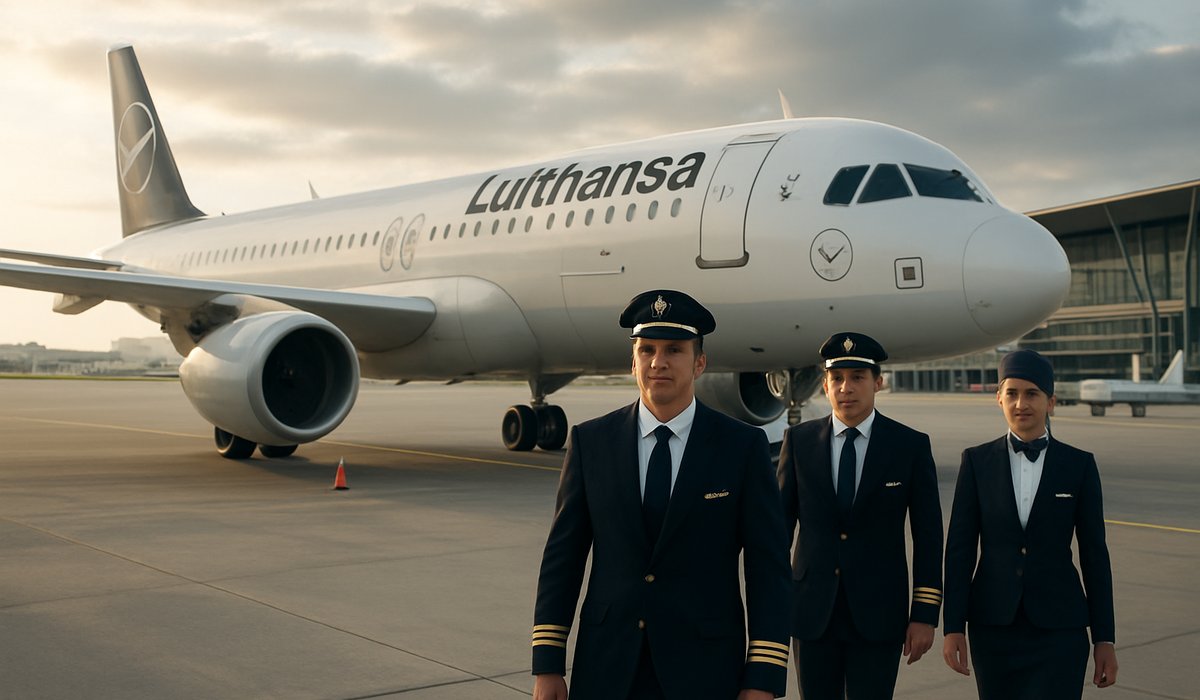
Image generated by AI
Boeing Poised to Reclaim Aircraft Delivery Crown by 2026 Despite Airbus's Strong Order Book
The aircraft manufacturing rivalry intensifies as Boeing recovers from crisis while Airbus banks record orders
The Shift in Aviation's Competitive Landscape
The global aerospace competition between Boeing and Airbus is entering a critical inflection point. While Airbus captured 170 aircraft orders in a single quarter—a commanding performance that underscores sustained demand for commercial aviation—Boeing is positioned to overtake its European rival in actual aircraft deliveries by 2026, signaling a dramatic reversal in fortune for the American manufacturer.
This divergence between order volumes and delivery schedules reveals the complex realities facing the world's two dominant aircraft makers. Airbus's impressive quarterly order haul demonstrates robust customer confidence and strong market positioning. However, Boeing's recovery trajectory from a cascade of operational crises suggests the manufacturer is gaining critical momentum in execution—the ultimate measure of success in aerospace manufacturing.
Boeing's Long Road Back
For most of the 20th century, Boeing dominated global aviation. The company's legendary aircraft lineups—from the revolutionary 707 that launched the jet age through the 747 "Queen of the Skies," alongside the workhorse 737, 757, 767, and 777 platforms—established the company as an unquestionable industry leader.
But the past decade has tested Boeing severely. The prolonged 737 MAX grounding, which began in March 2019, devastated the company's financial performance and customer relationships. Compounding these challenges were mounting quality control issues on the 787 Dreamliner and delays in certifying the next-generation 777X, which remains grounded pending regulatory approval.
Airbus Capitalizes on Boeing's Struggles
Airbus, the newer entrant founded in 1970, seized the opportunity presented by Boeing's troubles. Through aggressive product development and strategic deal-making, the European consortium gradually narrowed the gap. By the 2010s, both manufacturers were virtually equal in market share. The 2020s, however, saw Airbus decisively claim the industry leadership position as Boeing struggled with cascading crises.
Airbus's 170 quarterly orders demonstrate sustained confidence in its aircraft lineup, particularly the A320 family and widebody A350 programs.
The Delivery Question
Yet orders tell only part of the story. The aviation industry ultimately measures success through actual aircraft delivered to paying customers—the point at which manufacturers receive revenue and customers begin flight operations.
Industry analysts now project that Boeing will surpass Airbus in annual deliveries by 2026, reflecting the manufacturer's accelerating production recovery and the substantial order backlog it maintains despite recent setbacks.
What This Means for Airlines and Travelers
The competitive dynamics between these manufacturers directly impact airline operations, fleet modernization timelines, and ultimately passenger experiences. Delays in aircraft delivery force carriers to extend the service life of aging aircraft, while delivery competition can influence pricing and technological innovation across the industry.
FAQ: Aircraft Manufacturing and Aviation Industry Impact
Q: Why do aircraft orders not immediately translate to deliveries? A: Modern commercial aircraft require 18-36 months of manufacturing, testing, and certification after order placement. Complex supply chains and regulatory requirements create significant lag times.
Q: How do Boeing and Airbus delivery delays affect airline ticket prices? A: Extended delivery timelines force airlines to operate older, less fuel-efficient aircraft longer, increasing operational costs that may be passed to consumers through higher fares and ancillary charges.
Q: What is the significance of the 737 MAX recovery to Boeing's future? A: The 737 MAX represents Boeing's highest-volume aircraft program. Its full return to production is essential for the company to work through its massive order backlog and reclaim market leadership.
Q: How does the aircraft manufacturing competition influence jet fuel prices and airline fees? A: Greater manufacturing competition drives innovation in fuel efficiency and aircraft capabilities, while delivery delays can indirectly affect fuel surcharges as airlines delay fleet modernization.
Q: Why is aircraft delivery volume more important than orders for investor confidence? A: Deliveries represent actual revenue realization and customer satisfaction. Orders are commitments subject to cancellation, while deliveries demonstrate execution capability and financial health.
Related Travel Guides
-
Travel Disruptions Hit Malaysia as AirAsia, Malindo Air Face 174 Flight Delays at KLIA
-
Airbus A380 Goodbye: 3 US Airports Lose Superjumbo Service in 2026
External Resources
Disclaimer
This article is for informational and educational purposes only. It does not constitute legal, financial, or professional advice. While we strive to provide accurate and up-to-date information, travel policies, regulations, and conditions change rapidly. Always verify information with official sources before making travel decisions. Nomad Lawyer makes no representations about the accuracy, reliability, completeness, or suitability of the information provided. Readers should consult qualified professionals for advice specific to their circumstances. The views expressed in this article are those of the author and do not necessarily reflect the views of Nomad Lawyer.
Preeti Gunjan
Contributor & Community Manager
A passionate traveller and community builder. Preeti helps grow the Nomad Lawyer community, fostering engagement and bringing the reader experience to life.
Learn more about our team →