
Airbus A380 Superjumbo Paradox: $445M Aircraft Worth Less Than Its Own Landing Gear by 2020
Breaking airline news and aviation industry updates for 2026.

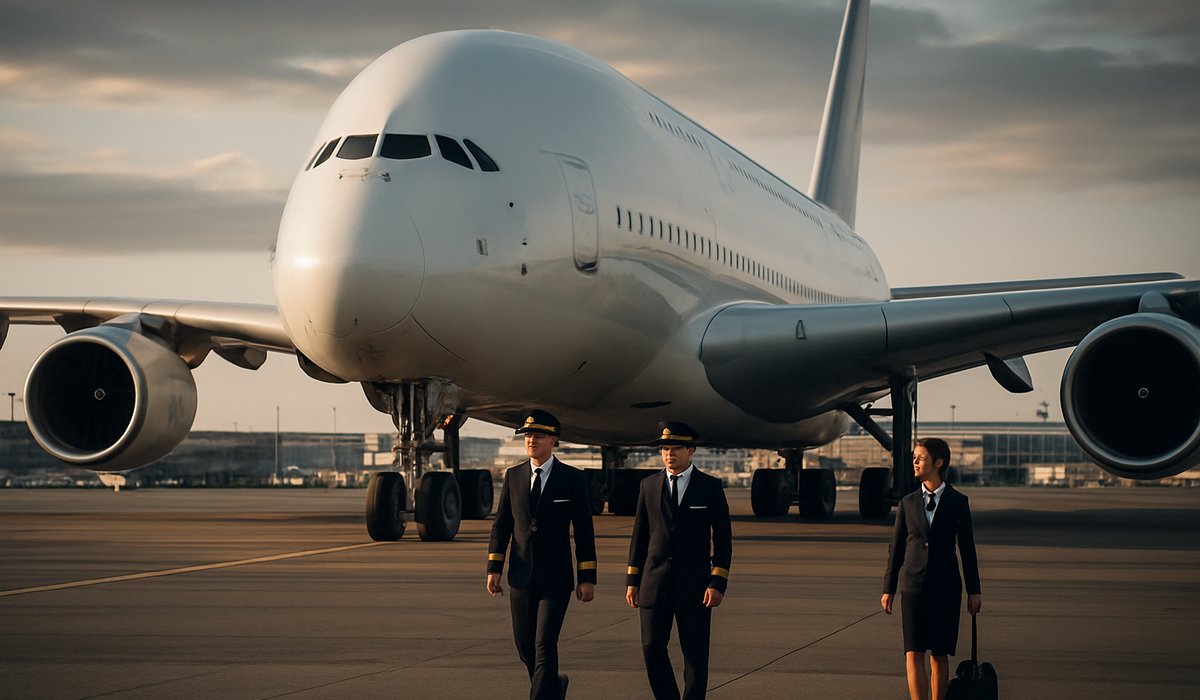
Image generated by AI
Airbus A380 Superjumbo Paradox: $445M Aircraft Worth Less Than Its Own Landing Gear by 2020
The aviation industry's most ambitious wide-body jet became a cautionary tale in asset depreciation, revealing deeper structural challenges in the commercial aircraft market
The Collapse of an Aviation Icon
What was once the crown jewel of modern aviation—Airbus's A380 superjumbo jet, commanding a price tag of $445.6 million at its market peak—experienced a stunning reversal of fortune by 2020. Industry analysts uncovered a striking paradox: the aircraft's landing gear alone had become more valuable than the entire airframe, a rare and troubling indicator of the jet's commercial viability crisis.
The discovery underscores a dramatic shift in aviation economics over the past two decades, reflecting weakened demand for ultra-large wide-body aircraft, mounting operational costs, and shifting airline preferences toward more fuel-efficient, twin-engine designs.
Why the A380 Lost Its Value
When Airbus introduced the double-decked aircraft in the early 2000s, the A380 represented an unprecedented engineering achievement—a 555-seat giant designed to dominate long-haul international routes and generate substantial revenue for carriers. Airlines initially embraced the concept, anticipating it would reshape the future of commercial aviation.
However, the superjumbo's trajectory deteriorated faster than anticipated. Rising jet fuel prices, regulatory pressures to reduce carbon emissions, and the emergence of more cost-efficient aircraft alternatives—particularly the Boeing 787 Dreamliner and Airbus A350—fundamentally altered airline procurement strategies. Carriers discovered that deploying two smaller, twin-engine aircraft on profitable routes delivered superior flexibility and lower fuel consumption compared to operating a single massive plane with hundreds of seats.
The A380's substantial landing gear components, manufactured with specialized materials and precision engineering, retained intrinsic scrap and reclamation value that paradoxically exceeded what buyers would pay for the aging airframe itself.
Market Realities and Industry Implications
By 2020, secondary market valuations for retired A380s had plummeted. The combination of operational complexity, high maintenance costs, limited passenger demand recovery following the COVID-19 pandemic, and oversupply of available aircraft created a perfect storm for depreciation.
This scenario reflects broader challenges within the aviation sector: the disconnect between manufacturing costs and real-world market demand, the rapid obsolescence of previous-generation wide-body technology, and the shifting economics of international air travel.
The A380's dramatic decline serves as a sobering reminder for aircraft manufacturers and airlines alike—that scale and engineering excellence alone cannot guarantee commercial success in an industry increasingly driven by operational efficiency and environmental responsibility.
FAQ: Understanding Aircraft Depreciation and Aviation Economics
Why did the A380 lose so much value? Changing airline preferences favoring twin-engine, fuel-efficient aircraft over massive four-engine superjumbos, combined with rising operational costs and limited market demand, accelerated the A380's depreciation.
What makes landing gear valuable in aircraft recycling? Landing gear contains specialized materials, precision engineering, and components suitable for parts harvesting or refurbishment, often retaining higher resale value than aging airframes.
How does aircraft depreciation affect airline costs? Rapid asset depreciation increases airline operating expenses, impacts fleet financing decisions, and influences decisions to retire or upgrade aircraft, ultimately affecting passenger ticket prices and baggage charges.
Which aircraft replaced the A380 in long-haul service? The Boeing 787 Dreamliner and Airbus A350 became preferred alternatives due to superior fuel efficiency, lower operating costs, and flexibility in route deployment.
Is the A380 program completely discontinued? Airbus ceased A380 production in 2021, marking the end of the superjumbo's manufacturing era.
Related Travel Guides
Flight Delay Compensation Guide 2026
Understanding Airline Route Changes
Airport Security Process Updated (2026)
External Resources
Disclaimer
This article is for informational and educational purposes only. It does not constitute legal, financial, or professional advice. While we strive to provide accurate and up-to-date information, travel policies, regulations, and conditions change rapidly. Always verify information with official sources before making travel decisions. Nomad Lawyer makes no representations about the accuracy, reliability, completeness, or suitability of the information provided. Readers should consult qualified professionals for advice specific to their circumstances. The views expressed in this article are those of the author and do not necessarily reflect the views of Nomad Lawyer.
Preeti Gunjan
Contributor & Community Manager
A passionate traveller and community builder. Preeti helps grow the Nomad Lawyer community, fostering engagement and bringing the reader experience to life.
Learn more about our team →