
Six Airlines Leading the Premium Narrowbody Revolution: Business Class Redefined in 2026
Breaking airline news and aviation industry updates for 2026.

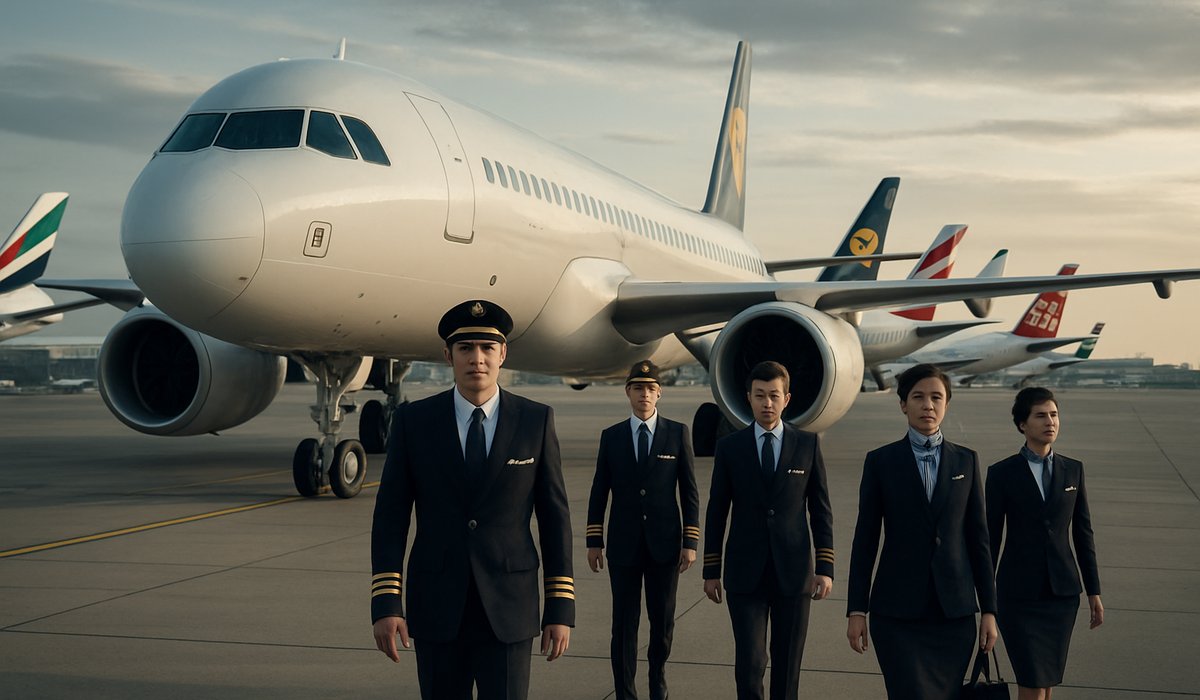
Image generated by AI
Six Airlines Leading the Premium Narrowbody Revolution: Business Class Redefined in 2026
As advanced single-aisle aircraft reshape long-haul travel, carriers are challenging the widebody dominance with cabin innovations that blur the line between regional and international luxury
The Narrowbody Business Class Transformation
The aviation industry's long-held assumption that premium travel demands widebody aircraft is being decisively upended. Throughout 2025 and into 2026, a select group of carriers has fundamentally reimagined the narrowbody business class experience, shattering decades-old perceptions that single-aisle cabins represent an inherent compromise for discerning travelers.
For generations, premium passengers accepted narrowbody flying as a necessary trade-off—accepting recliner seats, limited privacy, and minimal aisle access on routes that widebody aircraft traditionally dominated. That paradigm has shifted dramatically with technological advancement and strategic cabin design innovation.
Game-Changing Aircraft Enable Premium Redesign
The catalyst for this revolution stems from the introduction of next-generation narrowbody platforms, particularly the Airbus A321LR and the extended-range Airbus A321XLR. These aircraft have extended the operational envelope for single-aisle jets, enabling carriers to deploy them on transcontinental and even some transoceanic routes previously reserved for widebody giants.
The structural and range capabilities of these platforms have unlocked entirely new cabin possibilities. Airlines are leveraging this flexibility to introduce amenities once exclusive to long-haul widebody products: fully lie-flat suites with direct aisle access, sliding privacy doors that rival premium widebody compartments, curated dining experiences developed by acclaimed culinary partners, and sophisticated in-flight entertainment systems comparable to premium long-haul offerings.
Six Carriers Redefining Premium Single-Aisle Travel
Leading carriers worldwide have recognized the commercial opportunity and invested substantially in narrowbody cabin upgrades. These airlines have moved beyond incremental improvements, instead deploying comprehensive product strategies that genuinely challenge widebody economics on competitive routes.
The competitive advantage is substantial. Operators benefit from improved fuel efficiency, reduced operating costs, and enhanced frequency on premium routes, while premium passengers gain access to sophisticated cabin products without the traditional drawbacks associated with single-aisle aircraft. This dynamic has created a compelling value proposition that traditional widebody operators cannot easily replicate.
Industry Impact and Future Implications
The emergence of premium narrowbody business class carries significant implications for aviation economics and route planning. As more carriers deploy advanced single-aisle aircraft on long-haul networks, the traditional widebody market faces increased pressure. Premium travel pricing structures are poised for recalibration across regional and long-haul segments, particularly on routes under 5,500 nautical miles.
This shift also reflects broader industry trends toward operational efficiency amid volatile jet fuel prices and evolving traveler preferences favoring direct routing and increased flight frequency over aircraft size.
FAQ: Premium Narrowbody Business Class in 2026
Q: What is driving the shift toward narrowbody business class products? A: Advanced aircraft like the A321LR and A321XLR enable single-aisle jets to operate long-haul routes with premium cabin configurations, improved fuel efficiency, and better economics than traditional widebody aircraft.
Q: How do narrowbody business class suites compare to widebody offerings? A: Leading carriers now offer fully lie-flat seats with direct aisle access and sliding privacy doors on narrowbody aircraft, creating products genuinely comparable to widebody business class cabins.
Q: Which routes are most affected by this trend? A: Regional transcontinental and medium-haul international routes under 5,500 nautical miles are experiencing the most significant narrowbody premium redeployment.
Q: Are airline ticket prices changing due to narrowbody premium expansion? A: Premium fares on affected routes reflect new cabin economics, with potential pricing adjustments as carriers optimize revenue strategies around advanced narrowbody configurations.
Q: Will widebody aircraft become obsolete for premium travel? A: Widebody aircraft remain essential for ultra-long-haul routes and maximum capacity; however, advanced narrowbody products are capturing increasing market share on competitive medium-haul premium segments.
Related Travel Guides
Flight Delay Compensation Guide 2026
Understanding Airline Route Changes
Airport Security Process Updated (2026)
External Resources
Disclaimer
This article is for informational and educational purposes only. It does not constitute legal, financial, or professional advice. While we strive to provide accurate and up-to-date information, travel policies, regulations, and conditions change rapidly. Always verify information with official sources before making travel decisions. Nomad Lawyer makes no representations about the accuracy, reliability, completeness, or suitability of the information provided. Readers should consult qualified professionals for advice specific to their circumstances. The views expressed in this article are those of the author and do not necessarily reflect the views of Nomad Lawyer.
Preeti Gunjan
Contributor & Community Manager
A passionate traveller and community builder. Preeti helps grow the Nomad Lawyer community, fostering engagement and bringing the reader experience to life.
Learn more about our team →