
AirAsia Airbus Orders 150 A220s in Historic $19 Billion Deal
AirAsia secures record 150 Airbus A220 aircraft in $19 billion commitment during 2026, transforming the manufacturer's regional jet program trajectory and reshaping Southeast Asian aviation.

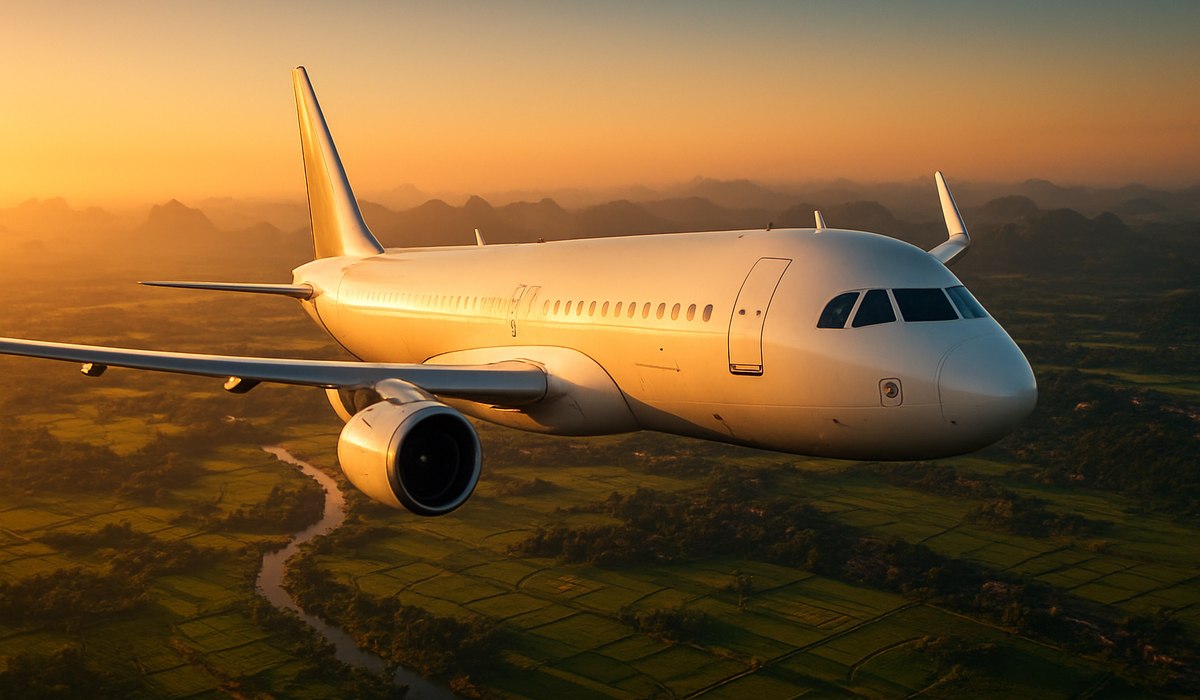
Image generated by AI
AirAsia's Historic Airbus A220 Order Transforms Regional Aviation
AirAsia has announced a landmark 150-aircraft order for Airbus A220 jets, representing a transformative $19 billion commitment that invigorates the aircraft manufacturer's regional jet program. This massive airasia airbus orders agreement reshapes capacity planning across Southeast Asia and signals robust recovery in commercial aviation demand during 2026.
The Malaysian carrier's decision to commit to such a substantial fleet expansion demonstrates confidence in long-haul regional routes and leisure travel recovery across the Asia-Pacific region.
Why AirAsia's Massive Order Matters for Aviation
The significance of this airbus airbus orders announcement extends far beyond AirAsia's operational needs. Industry observers note that Airbus had faced prolonged challenges securing major A220 commitments despite the aircraft's efficiency advantages.
AirAsia's 150-unit order provides critical momentum for production scaling. The carrier selected the A220 specifically for its 130-to-160-seat capacity, fuel economy, and reduced emissions compared to legacy regional platforms. For Airbus, this order validates their investment in the program while securing years of manufacturing stability.
The deal also influences competitive dynamics. Airlines worldwide now evaluate A220 advantages against competing platforms. Regional carriers particularly appreciate the aircraft's economics on profitable thin-route networks throughout Southeast Asia, India, and the Middle East. Learn more about Airbus aircraft programs for technical specifications.
Impact on Airbus A220 Program Growth
This a220s order fundamentally accelerates program momentum following years of modest adoption rates. The A220 program previously struggled with order velocity, creating manufacturing uncertainty and supplier chain hesitation.
AirAsia's 150-aircraft commitment guarantees A220 production planning through 2035 or later, depending on delivery schedules. This long-term visibility enables Airbus to negotiate better supply chain agreements, reduce unit costs, and improve profit margins across the program.
Additionally, the order strengthens Airbus's market position in the 100-150-seat segment. Competitors must now address whether alternative aircraft match the A220's operating economics. The deal likely influences purchasing decisions among other Southeast Asian carriers, Indian operators, and Middle Eastern airlines evaluating fleet modernization initiatives. Visit FlightAware for live A220 flight tracking capabilities.
Regional Expansion Strategy and Fleet Modernization
AirAsia's fleet modernization addresses specific strategic objectives across their network. The carrier operates extensive regional routes connecting secondary cities throughout Indonesia, the Philippines, Thailand, and Malaysia where the A220's capabilities excel.
Current AirAsia fleet composition relies heavily on aging Airbus A320 and A321 aircraft. The A220 transition enables capacity growth on existing routes while reducing fuel consumption by approximately 20-25% compared to older generation narrowbodies.
The record investment also supports AirAsia's long-term capacity expansion without proportional headcount growth in maintenance operations. Modern A220s require fewer technician-hours per flight cycle, improving operational efficiency across their 20-plus maintenance bases.
Furthermore, the aircraft's range capabilities—approximately 3,000 nautical miles—open new markets for AirAsia. Previously unprofitable or marginal routes become viable, particularly connecting Southeast Asian hubs to South Asian destinations and emerging Middle Eastern markets.
Competition and Market Implications
The $19 billion deal sends clear signals to competing manufacturers regarding regional market preferences. Boeing's 737 MAX program, while commercially successful, faces pressure in the 130-150-seat niche where A220 economics prove superior.
Other Asian carriers will likely evaluate similar A220 orders. Airlines including Vistara, IndiGo, and Thai AirAsia monitor AirAsia's fleet performance metrics closely. Positive operational results could trigger cascading orders from these competitors during 2026-2027.
The order also impacts aircraft leasing companies and secondary market pricing. Availability of used narrow-body aircraft expands as carriers transition to newer platforms, potentially benefiting price-conscious operators in emerging markets.
For travelers, this modernization translates to improved cabin experience, better air quality systems, and enhanced inflight connectivity on regional routes. Reduced fuel consumption supports AirAsia's sustainability commitments while potentially moderating ticket price inflation. Check FAA regulations for aircraft certification details.
Key Data Table
| Metric | Details |
|---|---|
| Aircraft Ordered | 150 Airbus A220 units |
| Total Investment | $19 billion USD |
| Seat Capacity | 130-160 passengers per aircraft |
| Fuel Efficiency | 20-25% reduction versus A320 |
| Aircraft Range | Approximately 3,000 nautical miles |
| Delivery Timeline | 2027-2035 (estimated) |
| Program Impact | Secures A220 production through mid-2030s |
| Regional Focus | Southeast Asia, India, Middle East routes |
| Maintenance Reduction | ~15-20% lower per-flight-cycle costs |
| Cabin Innovation | Modern avionics and passenger comfort systems |
What This Means for Travelers
Traveler Action Checklist
-
Monitor Airline Fleet Updates: Visit AirAsia's investor relations website quarterly to track A220 deployment schedules and route announcements affecting your preferred routes.
-
Book Regional Routes Strategically: New A220 aircraft typically debut on profitable, established routes before expanding to secondary markets—prioritize these flights for newest cabin products.
-
Evaluate Baggage and Seat Preferences: Confirm A220 baggage policies and seat maps differ from legacy A320 configuration; adjust reservations accordingly to optimize legroom and storage.
-
Compare Fare Performance: Monitor historical ticket pricing patterns during fleet transitions; often promotional fares appear initially as carriers establish market presence with new aircraft.
-
Verify Connectivity Options: Confirm inflight WiFi, power outlets, and entertainment systems availability on your specific A220-equipped flight before booking.
-
Check Route Expansion Announcements: Follow AirAsia newsroom for new A220-operated routes launching in your region, potentially opening schedule options unavailable on legacy aircraft.
-
Leverage Frequent Flyer Programs: Maximize mileage accumulation on A220 flights launching from your home airport, capitalizing on initial promotional fare structures.
FAQ
Q: When will AirAsia A220 aircraft start operating regularly scheduled flights?
A: While exact timelines await official confirmation, industry projections suggest initial A220 service launches in 2027-2028 on AirAsia's primary routes from Kuala Lumpur, Bangkok, and Manila. Check US DOT consumer resources for passenger rights on new aircraft operations.
Q: How does the A220 cabin experience differ from current AirAsia aircraft?
A: The A220 features significantly larger windows, higher cabin pressure settings reducing fatigue, improved air filtration, modern LED lighting, and enhanced overhead bin capacity. Passengers consistently report improved comfort on A220 services operated by other carriers globally.
Q: Will A220 adoption affect AirAsia ticket pricing?
A: Lower operating costs may eventually moderate fare increases, though pricing remains subject to fuel prices, competition, and demand fluctuations. Improved fuel efficiency typically translates to modest ticket reductions on competitive routes within 12-18 months of fleet transition.
Q: Are existing AirAsia frequent flyer benefits affected by A220 introduction?
A: No changes to existing frequent flyer programs are anticipated. A220 flights earn identical points as legacy aircraft, though some carriers offer promotional point multipliers on new aircraft launches during inaugural periods.
Related
Disclaimer
This article is for informational and educational purposes only. It does not constitute legal, financial, or professional advice. While we strive to provide accurate and up-to-date information, travel policies, regulations, and conditions change rapidly. Always verify information with official sources before making travel decisions. Nomad Lawyer makes no representations about the accuracy, reliability, completeness, or suitability of the information provided. Readers should consult qualified professionals for advice specific to their circumstances. The views expressed in this article are those of the author and do not necessarily reflect the views of Nomad Lawyer.
Raushan Kumar
Founder & Lead Developer
Full-stack developer with 11+ years of experience and a passionate traveller. Raushan built Nomad Lawyer from the ground up with a vision to create the best travel and law experience on the web.
Learn more about our team →