
European Airfare Surge: Air France-KLM and Lufthansa Lead Price Hikes Amid Fuel Crisis
European giants Air France-KLM and Lufthansa are spearheading a massive airfare surge as skyrocketing jet fuel prices and a global shortage force a major industry realignment.

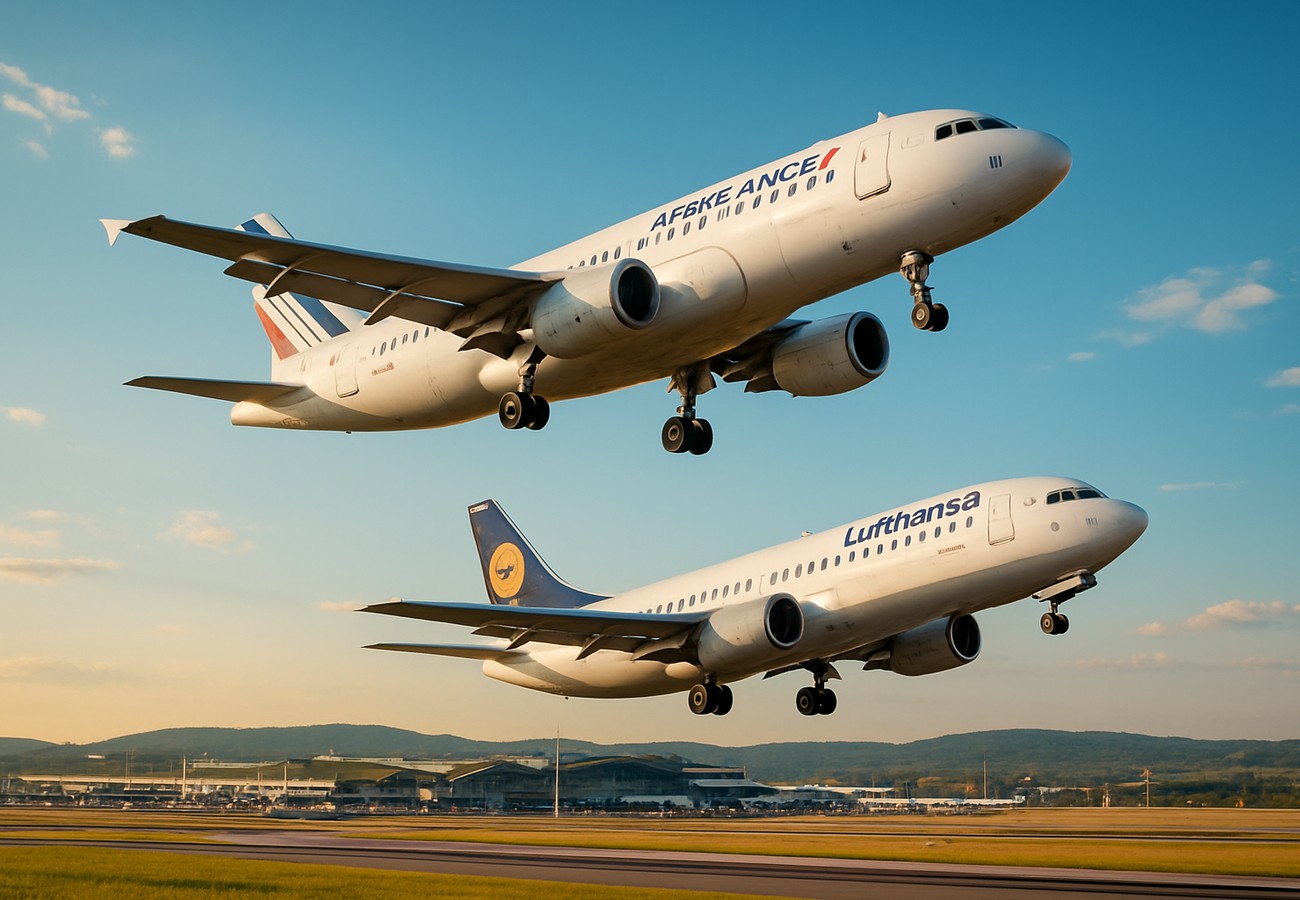
Image generated by AI
The European aviation sector is facing a "new reality" in May 2026, as Air France-KLM and Lufthansa lead a sweeping wave of airfare increases across the continent. Driven by a volatile combination of skyrocketing jet fuel prices and an unprecedented global fuel shortage, the surge is set to significantly impact summer travel plans for millions.
As previously reported, the ongoing Strait of Hormuz blockade has constricted global fuel supplies, forcing airlines to manage scarcity rather than just price fluctuations.
The Price of Scarcity: Why Fares are Soaring
Airlines are currently navigating the first-ever global jet fuel shortage of this scale. The impact is direct: when supply drops, the cost to operate every seat rises exponentially.
Key Drivers of the Surge:
- Strait of Hormuz Blockade: A critical bottleneck for global energy supplies, now significantly limiting the flow of aviation kerosene to European refineries.
- Supply Constraints: For the first time in history, airlines are reporting an inability to secure full fuel loads at some secondary hubs, leading to technical stops and increased costs.
- Operational Scrambling: Major groups like Lufthansa are adjusting their networks daily to prioritize fuel for their most profitable long-haul routes.
Airline Fare and Capacity Adjustments
| Airline Group | Estimated Fare Hike | Key Strategy |
|---|---|---|
| Air France-KLM | 18% - 22% | Prioritizing premium cabins and high-yield long-haul. |
| Lufthansa | 20% - 25% | Aggressive route consolidation and older fleet retirement. |
| Ryanair | 15% | End of ultra-cheap €10 promotional fares. |
| Turkish Airlines | 24% | Significant long-haul capacity reductions. |
Regional Impact: Europe Feels the Heat
The disruption is most acute in high-traffic European corridors where competitive pressure usually keeps fares low.
- United Kingdom: Travelers out of London and Manchester are seeing a sharp rise in "Fuel Surcharges" being added to the final checkout price.
- Germany: Lufthansa’s withdrawal of 20,000 flights through October is creating a massive supply-demand imbalance, further driving up prices for remaining seats.
- France: Air France is leveraging its premium network to protect margins, resulting in a 15% reduction in available "economy" seats on competitive routes to North America.
Passenger Advice: Navigating the Surge
For those planning to travel across Europe this summer, the "last minute deal" has largely disappeared.
- Book Early: Secure current prices before further fuel surcharges are implemented in June.
- Monitor "Fuel Surcharges": Be aware that the base fare may look low, but the total price including surcharges is where the primary increase lies.
- Consider Alternative Hubs: In some cases, flying out of a less congested regional airport may avoid the "scarcity premium" being charged at major hubs like LHR, FRA, or CDG.
Related Travel Guides
- Global Fuel Crisis: 2 Million Seats Canceled as Shortage Hits Major Hubs
- Lufthansa Restructuring: Aggressive Cost Control and Flight Cuts
- Spirit Airlines Exit: 21 Million Seats Lost in US Market
Zone Revolution](/emirates-etihad-qatar-airport-free-zones-economic-revolution-2026)
- SriLankan Airlines Leads South Asia in Service Excellence
- Southwest and Frontier Expand Routes at San Antonio Hub
Manchester Airport (MAN), the primary gateway to the North of England, is currently grappling with a severe operational crisis. Real-time data from May 5, 2026, indicates that flight delays have hit an unprecedented low for efficiency, with over 65% of departing flights experiencing setbacks of 60 minutes or more.
This decline in performance is not just a headache for commuters; it is posing a significant threat to the UK’s regional tourism industry during the critical early summer travel window.
The Efficiency Crisis: Manchester by the Numbers
While Manchester has been undergoing a multi-billion pound "Transformation Program," the current operational reality remains stark.
Key Statistics for May 5:
- On-Time Departure Rate: 32% (A new quarterly low).
- Average Delay Duration: 74 Minutes.
- Most Affected Terminals: Terminal 1 (International) and Terminal 2 (Charter/Long-haul).
- Affected Passengers: Estimated 22,000 travelers impacted in a 24-hour period.
Why is Manchester Struggling?
Industry analysts point to three converging factors behind the "Northern Powerhouse" aviation bottleneck:
- Staffing Shortages at Security: Despite aggressive recruitment, the airport continues to struggle with "security throughput," leading to long queues that frequently delay boarding.
- Air Traffic Control Flow Restrictions: The UK’s NATS system has implemented strict spacing requirements for the busy Manchester corridor, compounded by European ATC strikes.
- Baggage Handling Malfunctions: Several high-profile failures of the automated baggage systems in Terminal 2 have resulted in delayed push-backs for multiple wide-body aircraft.
Threat to UK Regional Tourism
The "Northern Powerhouse" strategy relies heavily on Manchester Airport’s ability to attract international tourists. The current delays are creating a negative perception that could have long-term economic consequences.
- Missed Connections: International tourists arriving from the US and Middle East are frequently missing their regional rail and coach connections to the Lake District, Yorkshire, and Scotland.
- Reputational Damage: Tourism boards across the North of England have expressed concern that "The Manchester Experience" is discouraging repeat visits from high-spending international markets.
- Hospitality Impact: Local hotels and restaurants in Manchester city center are reporting a wave of "late check-in" frustrations and canceled dinner reservations due to flight delays.
Advice for Travelers Using Manchester (MAN) Today
If you are scheduled to fly out of or arrive into Manchester today:
- Arrive Early, but Not Too Early: The airport recommends arriving exactly 3 hours before your flight. Arriving 5-6 hours early actually increases terminal congestion.
- Check the MAN App: The official Manchester Airport app provides live wait times for security in each terminal. Use this to gauge your arrival time.
- Prepare for Carry-On: Given the ongoing baggage handling issues, if you can travel with hand-luggage only, you significantly reduce your risk of a post-flight delay at the carousel.
- Claim Compensation: For delays over 3 hours within the airline's control, remember your rights under UK261 regulations for compensation and duty of care.
Related Travel Guides
Disclaimer
This article is for informational and educational purposes only. It does not constitute legal, financial, or professional advice. While we strive to provide accurate and up-to-date information, travel policies, regulations, and conditions change rapidly. Always verify information with official sources before making travel decisions. Nomad Lawyer makes no representations about the accuracy, reliability, completeness, or suitability of the information provided. Readers should consult qualified professionals for advice specific to their circumstances. The views expressed in this article are those of the author and do not necessarily reflect the views of Nomad Lawyer.
Kunal K Choudhary
Co-Founder & Contributor
A passionate traveller and tech enthusiast. Kunal contributes to the vision and growth of Nomad Lawyer, bringing fresh perspectives and driving the community forward.
Learn more about our team →