
Travel Alert: Air Astana Secures IATA Sustainable Procurement Milestone
Air Astana becomes the first airline in Central Asia and the CIS to obtain IATA's Sustainable Procurement certification, driving ESG sourcing.
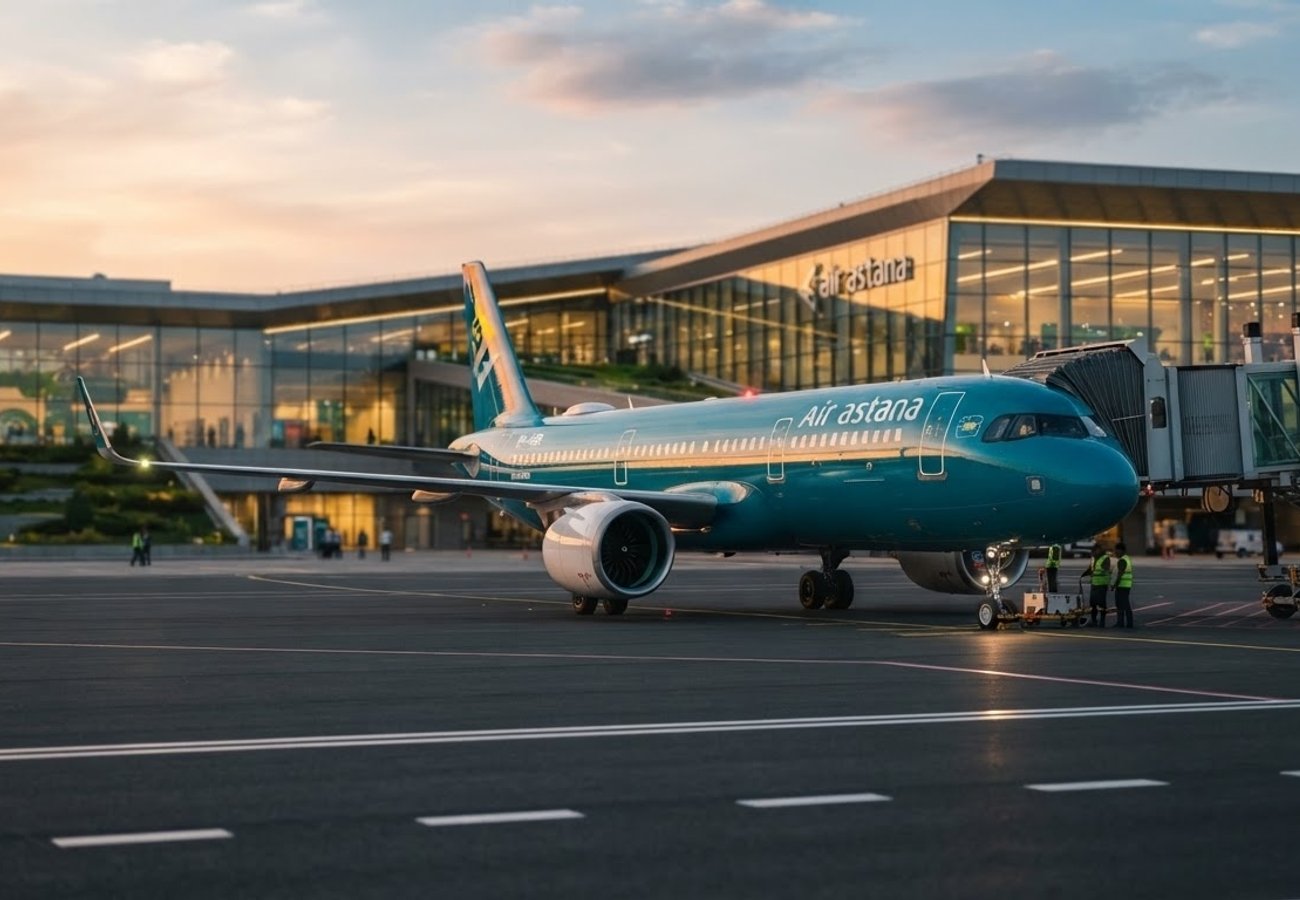
Image generated by AI
Air Astana becomes the first airline in Central Asia and the CIS to obtain IATA's Sustainable Procurement certification, driving ESG sourcing. The Civil Aviation Committee of the Ministry of Transport of the Republic of Kazakhstan indicates that incorporating sustainable buying practices coordinates regional supplier standards, supporting aviation recovery networks across the Eurasian corridor.
The Transition of Procurement Chains to Active ESG Monitoring
A notable trend in Central Asian aviation planning is the transition of traditional supply chains into active ESG monitoring systems. Historically, regional air carriers managed purchasing on the assumption that low unit costs and vendor proximity were the only criteria for logistics success, treating supplier environmental impact as a secondary concern. In 2026, the rise of international emissions standards, investor focus on ESG compliance, and travelers' preference for green-certified airlines encourage carriers to establish strict procurement rules, auditing everything from aircraft cleaning solvents to catering packaging.
By coordinating supply chain rules with global standards, carriers secure commercial integrity. This governance-focused travel model coordinates support for local organic farmers, eco-certified catering services, and regional recycling operations.
Air Astana IATA Certification and Sourcing Parameters
The international certification validates the airline's transition to sustainable purchasing:
- Global Position: Air Astana is the first carrier in Central Asia and the CIS, and the third airline globally to achieve this status.
- Certification Validity: Evaluated under the IATA Integrated Sustainability Program (ISP), with registry status extending to August 2028.
- Supplier Governance: Anchored by the Sustainability & ESG Procurement Policy Statement and a Supplier Code of Conduct.
- Decarbonisation Targets: Aligned with a revised net-zero carbon emissions goal of 2050 under the Low-Carbon Development Programme.
- Partner Recognition: Features the annual Air Astana ESG Awards (launched in 2024) to highlight vendor compliance.
- Network Relevance: Operates flights across Central Asia, Europe, China, India, and the Caucasus, distributing these standards across regional feeder markets.
Procurement rules apply to aircraft parts, ground equipment, catering, IT systems, and passenger services.
Central Asian Aviation ESG and Sourcing Coordinates
The table below breaks down the project sectors, global registry ranks, certification dates, net-zero targets, supplier recognition years, and coordinating authorities recorded on August 25, 2026:
| Core Project Sector | Global Registry Rank | Certification Date | Net-Zero Target | Supplier Recognition | Coordinating Authority |
|---|---|---|---|---|---|
| Sustainable buying | Third carrier globally | Valid to August 2028 | Net-zero by 2050 | ESG Awards from 2024 | Civil Aviation Committee |
| Supply chain audit | First in Central Asia/CIS | IATA ISP listing | Low-Carbon updates | Digital supplier portal | Ministry of Transport |
| Environmental metrics | Third-party verification | Tender review checks | CO2 Connect integration | Supplier Code check | IATA Registrar Office |
| Tourism integration | Regional logistics link | Fuel feasibility study | Flight route expansion | Local farm sourcing | Tourism and Sports Ministry |
These coordinates outline the sectors, ranks, dates, targets, recognitions, and authorities established for the regional ESG programs.
Resource Stewardship and Eco-Aware Eurasian Travel
For the traveler, the benefit of choosing airlines that enforce sustainable procurement is the reduction in indirect waste and emissions generated by the flight's supply chain. Carrying reusable cabin items and selecting digital boarding options on mobile devices avoids paper waste at gate counters.
Additionally, booking accommodation at hotels that partner with regional conservation groups protects the fragile steppe ecosystems of Kazakhstan. Dining at local independent cafes that source ingredients from regional farmers coordinates economic support for agricultural communities.
For comparison, you can explore the changing dynamics of FitsAir Establishes Direct Ahmedabad to Colombo Route to see how regional connections grow. For transit updates, comparing travel scheduling matches other networks, such as UK Airlines Issue Strict Regulations on Power Banks and Vapes updates. This trend is similar to the tourism growth seen in other destinations, as detailed in our guide on the Hacienda Heights Bus Fire Transport Safety regulations.
Traveler Insider Tips: Visiting Kazakhstan and Almaty
If you are planning an upcoming trip to Almaty or Astana via Air Astana, keep these practical tips in mind:
- Visit the Green Bazaar in Almaty: Sample local dining specialties like kazy (horsemeat sausage) and kurt (salty cheese curds) while supporting local farmers directly.
- Travel During Shoulder Seasons: Book your visits during May to June or September to October to enjoy mild temperatures and avoid peak summer crowds.
- Respect Local Cultural Etiquette: When visiting mosques or mausoleums in Turkistan, dress conservatively, covering shoulders and legs, and remove shoes.
- Download Local Ride-Hailing Apps: Use digital transport services to navigate cities safely and ensure transparent fare payments.
- Pack for Steppe Weather: Bring layered windproof clothing, as weather on the northern steppes around Astana can shift rapidly.
Long-Term Outlook for Central Asian Sustainable Aviation
The long-term outlook for transit is focused on building sustainable aviation fuel (SAF) production facilities in Kazakhstan, converting airport cargo transport to electric vehicles, and installing solar arrays at major terminals. As passenger volumes grow along the Silk Road corridors, national transport departments and airline associations will cooperate to maintain passenger standards.
By developing sustainable transit options and protecting regional resources, the aviation sector aims to build a sustainable transport network.
FAQ
What is the significance of Air Astana's IATA Sustainable Procurement certification?
Air Astana is the first carrier in Central Asia and the CIS, and only the third globally, to gain this ESG certification.
How long is the IATA certification valid?
The current certification on the IATA ISP registry is valid until August 2028.
What is the airline's target year for net-zero carbon emissions?
Under its Low-Carbon Development Programme, Air Astana has set a net-zero target year of 2050.
How does Air Astana recognize supplier ESG compliance?
The airline hosts the annual Air Astana ESG Awards, launched in 2024, to highlight partners demonstrating sustainable business practices.
Stay updated on regional travel regulations and conservation campaigns shaping Central Asian transit.
Related Travel Guides
Disclaimer
This article is for informational and educational purposes only. It does not constitute legal, financial, or professional advice. While we strive to provide accurate and up-to-date information, travel policies, regulations, and conditions change rapidly. Always verify information with official sources before making travel decisions. Nomad Lawyer makes no representations about the accuracy, reliability, completeness, or suitability of the information provided. Readers should consult qualified professionals for advice specific to their circumstances. The views expressed in this article are those of the author and do not necessarily reflect the views of Nomad Lawyer.