
Travel Alert: Middle East Flight Cancellations Reshape UAE to Riyadh Routes
Gulf air carriers adapt to airspace closures and routing restrictions, adjusting schedules on UAE-Riyadh flight paths.

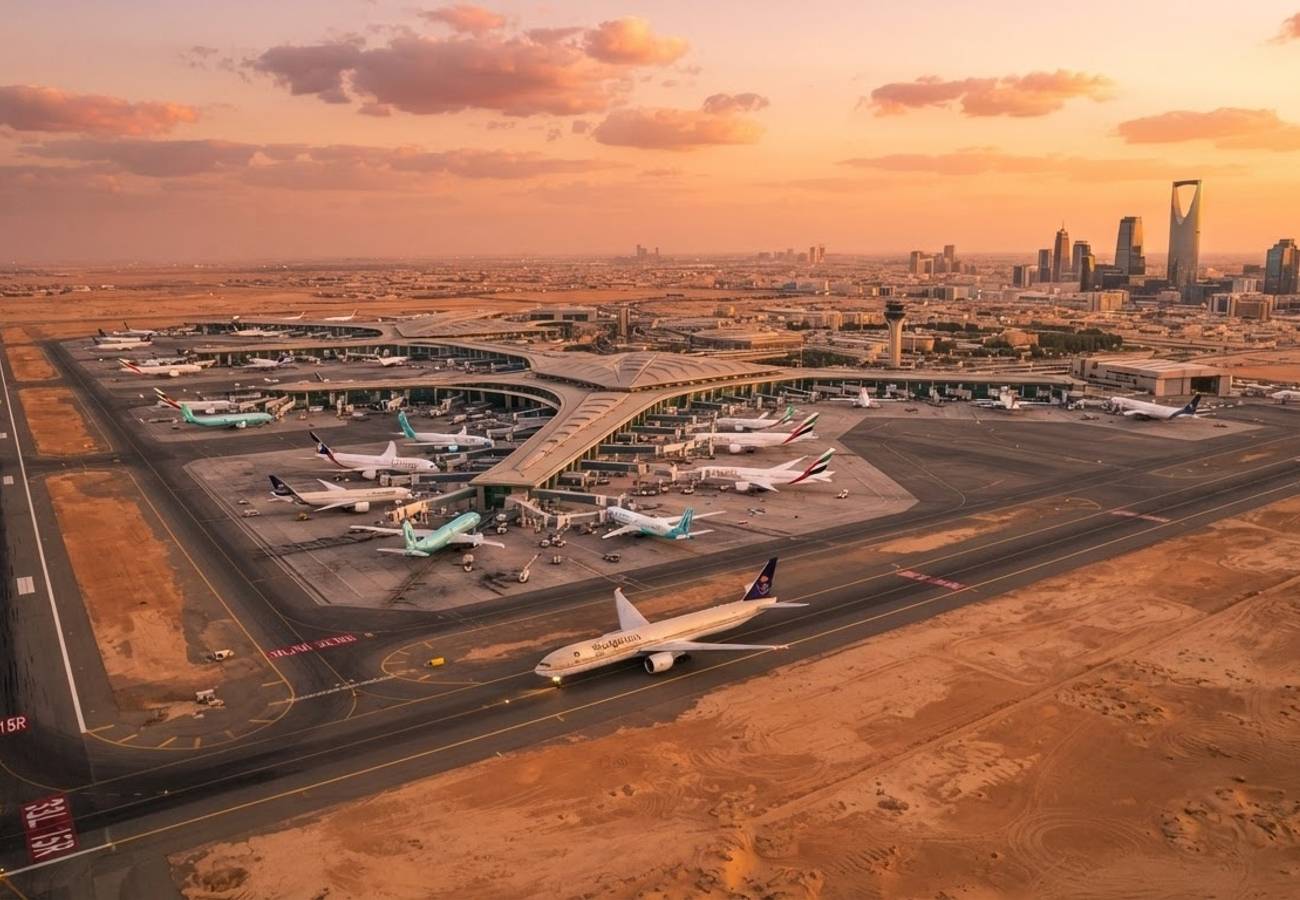
Image generated by AI
Gulf air carriers adapt to airspace closures and routing restrictions, adjusting schedules on UAE-Riyadh flight paths. The General Authority of Civil Aviation (GACA) of Saudi Arabia indicates that tactical airspace adjustments coordinate passenger safety, supporting regional travel network recovery during periods of volatile security alerts.
The Transition of Blanket Suspensions to Granular Route Management
A notable trend in Gulf transportation planning is the transition of blanket flight suspensions into a granular, route-by-route management model. Historically, regional civil aviation boards managed airspace safety alerts by enacting sweeping groundings across entire flight corridors, closing down major networks for days at a time. In 2026, the deployment of real-time threat-monitoring systems and flexible flight-planning software encourages carriers to adopt localized, reactive scheduling models, allowing them to maintain essential flights between major commercial hubs like Dubai and Riyadh while scaling down or terminating secondary routes.
By coordinating route-by-route flight schedules with live airspace notices, operators minimize total network shutdowns. This logistics-focused safety model coordinates pressure across airline operations desks, customs control agencies, and terminal passenger services.
Middle East Aviation Disruption and Flight Sourcing Parameters
Continuous scheduling modifications alter flight patterns across the Arabian Gulf:
- Riyadh Airport cancellations: King Khalid International Airport (RUH) recorded 263 cancelled flights in August 2026, including 154 arrivals and 109 departures.
- Airlines Most Impacted: Saudia has faced major scheduling modifications, primarily affecting southern domestic links to Jizan, Najran, and Abha.
- Operational Shifts: Airlines are consolidating passenger volumes by substituting larger aircraft or merging rotations, reducing frequency while preserving core links.
- Government Advisories: The US government maintains a Level 3 travel warning for Saudi Arabia, with similar cautious travel notices issued by Canada and the UK Foreign Office.
- Passenger Remedies: Carriers are offering complimentary rebooking, rerouting to nearby operational airports, or complete refunds depending on ticket conditions.
Flight routes bypass restricted sectors, extending average block times between the UAE and Riyadh.
Gulf Flight Cancellations and Sourcing Coordinates
The table below breaks down the project sectors, specific hub metrics, recorded timeframes, carrier footprints, passenger advice, and coordinating authorities recorded on August 25, 2026:
| Core Project Sector | Specific Hub Metrics | Recorded Timeframe | Carrier Footprints | Passenger Advice | Coordinating Authority |
|---|---|---|---|---|---|
| Aviation safety | Riyadh: 263 cancellations | August 25, 2026 | Saudia domestic impact | Check live flight status | General Authority (GACA) |
| Airspace planning | 154 arrivals cancelled | Real-time security feed | Middle East routing shift | Keep contact details fresh | Civil Aviation (GCAA) |
| Route coordination | 109 departures cancelled | Autumn/Winter schedule | Extended transit timings | Allow extra hub layovers | IATA Operations Board |
| Passenger rights | Southern regional groundings | Granular route check | Refund and rebook choice | Verify travel insurance | UK Foreign Office (FCDO) |
These coordinates outline the sectors, metrics, timeframes, footprints, advice, and authorities established for the airspace safety programs.
Resource Stewardship and Eco-Aware Airport Transit
For the traveler, the benefit of choosing direct point-to-point connections rather than multi-stop connecting routes is the reduction in carbon emissions from extra takeoffs. Accessing boarding passes and travel permits digitally via mobile applications prevents paper waste at check-in gates.
Additionally, using public electric shuttle systems to travel between terminals coordinates terminal resource savings. Purchasing food from independent local airport vendors who source ingredients from regional farms coordinates economic support for community growers.
For comparison, you can explore the changing dynamics of UK Airlines Issue Strict Regulations on Power Banks and Vapes to see how carriers manage cabin luggage safety. For transit updates, comparing travel scheduling matches other networks, such as Widespread Delays and Cancellations Disrupt Middle East Aviation updates. This trend is similar to the tourism growth seen in other destinations, as detailed in our guide on the Hacienda Heights Bus Fire Transport Safety regulations.
Passenger Protection Tips: Navigating Middle East Route Cancellations
If you are planning to travel between the UAE and Riyadh, keep these practical tips in mind:
- Check Live Flight Status Frequently: Verify your departure details on the airline's website or app 24 to 48 hours before heading to the terminal.
- Allow Large Connection Windows: Schedule layovers of at least four to five hours at UAE hubs to manage potential route diversions easily.
- Update Booking Contact Details: Keep your email and mobile number current in your airline passenger profile to receive automated scheduling alerts.
- Verify Travel Insurance Terms: Confirm if your insurance policy covers disruptions driven by government travel warnings or security closures.
- Understand Refund Rights: Know your options for ticket refunds or rerouting before speaking with customer service representatives during a cancellation.
Long-Term Outlook for Gulf Airspace Infrastructure
The long-term outlook for transit is focused on establishing unified regional airspace management protocols, upgrading automated radar routing systems to handle sudden diversions, and installing advanced baggage tracking systems across all major hubs. As international traveler demand continues to grow, national transport groups and regional civil aviation councils will cooperate to maintain passenger standards.
By developing sustainable transit options and protecting terminal resources, the aviation sector aims to build a sustainable transport network.
FAQ
Why are flights being cancelled between the UAE and Riyadh?
Flights are experiencing cancellations and delays due to ongoing regional airspace restrictions and geopolitical security updates.
How many flights were cancelled at Riyadh's airport in August 2026?
King Khalid International Airport recorded 263 cancellations, consisting of 154 arrivals and 109 departures.
What are my rights if my flight is cancelled?
Airlines are generally offering passengers the choice of complimentary rebooking, rerouting to nearby operational airports, or full ticket refunds.
Which carrier has experienced the most disruptions in Saudi Arabia?
Saudia has faced the highest number of cancellations, primarily affecting domestic routes to southern cities like Jizan and Najran.
Stay updated on regional travel regulations and safety campaigns shaping Middle East transit.
Related Travel Guides
Disclaimer
This article is for informational and educational purposes only. It does not constitute legal, financial, or professional advice. While we strive to provide accurate and up-to-date information, travel policies, regulations, and conditions change rapidly. Always verify information with official sources before making travel decisions. Nomad Lawyer makes no representations about the accuracy, reliability, completeness, or suitability of the information provided. Readers should consult qualified professionals for advice specific to their circumstances. The views expressed in this article are those of the author and do not necessarily reflect the views of Nomad Lawyer.
Preeti Gunjan
Contributor & Community Manager
A passionate traveller and community builder. Preeti helps grow the Nomad Lawyer community, fostering engagement and bringing the reader experience to life.
Learn more about our team →