
8 Megacities You Must Visit in 2026: Tokyo, Shanghai, São Paulo, and More Global Icons
Discover the world's eight most essential megacities for travelers in 2026. From Tokyo's neon-lit streets to Mexico City's vibrant culture, explore urban giants that blend ancient tradition with cutting-edge modernity.

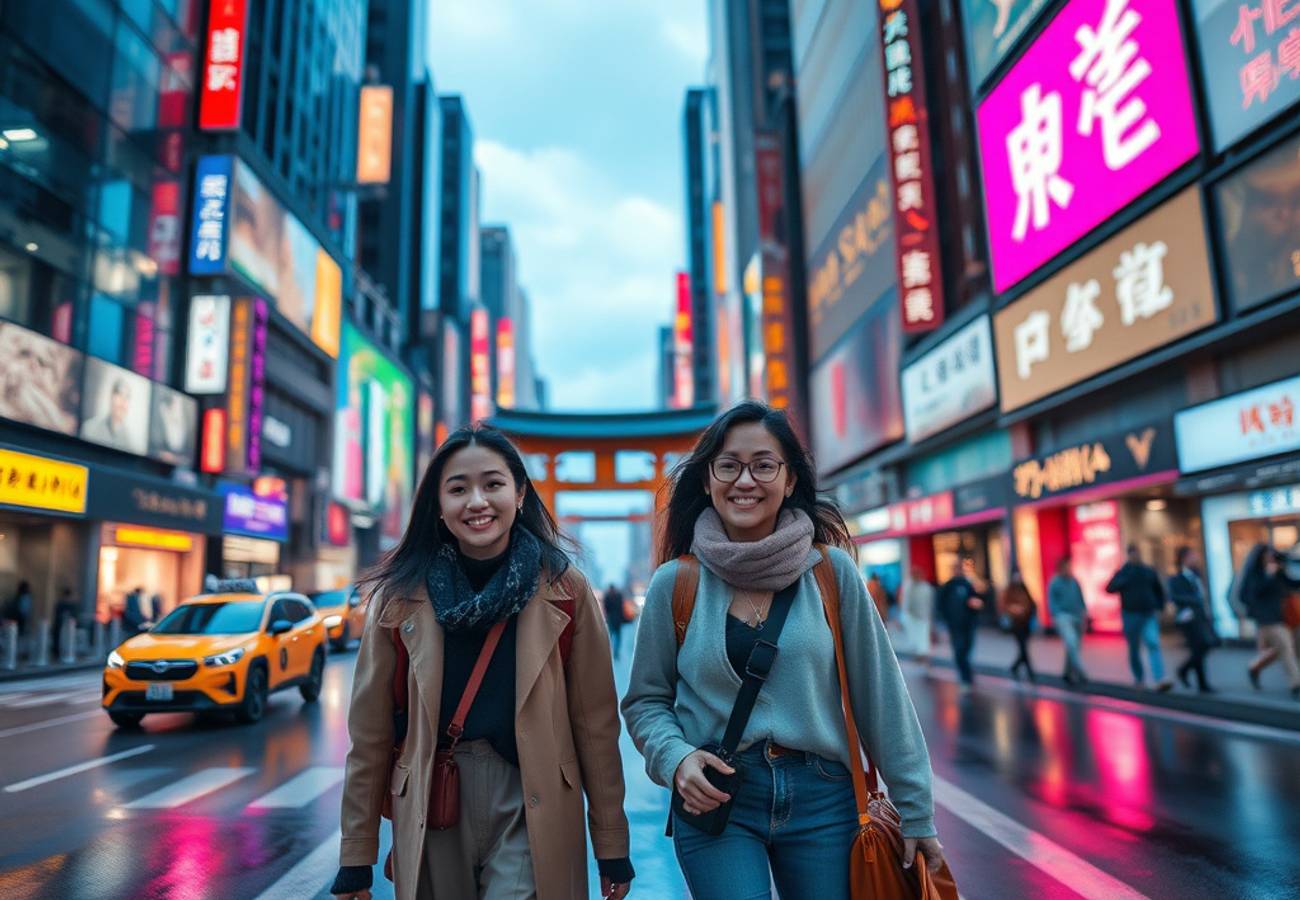
Image generated by AI
The pulse of a megacity is unmistakable. The relentless hum of traffic. The cacophony of voices in a dozen languages. The electric glow of a skyline that never truly sleeps. There's something intoxicating about standing at ground level in one of the world's largest urban centers — a vertigo-inducing blend of sensory overload and profound human connection.
But megacities aren't just bigger versions of regular cities. They're ecosystems unto themselves. They're where humanity's ambitions, contradictions, and creative energy converge into something altogether extraordinary. Whether you're a solo nomad seeking cultural immersion or a seasoned traveler chasing that next rush of discovery, these eight global megacities demand your attention in 2026.
Tokyo, Japan: Where Tradition Collides with Hyperfuturism
Tokyo doesn't do subtlety. With a population of 14 million in the city proper and a staggering 37 million across the greater metropolitan area, this is controlled chaos perfected. The city sprawls across 622 square kilometers (240 square miles), yet every inch pulses with intention.
Walk through Shinjuku at midnight and you'll understand why Tokyo earned its reputation as the city that never sleeps. Neon bleeds across wet pavement. Bullet trains streak past with mechanical precision. The futurism is real — but so is the history. Centuries-old temples sit in the shadow of glass towers. Classical gardens offer zen-like escape just blocks from the sensory assault of pachinko parlors and karaoke bars.
Reddit: "Tokyo destroyed my expectations in the best way possible. I came for the technology and anime, but I left obsessed with the temples and the food culture." — r/travel
What makes Tokyo essential isn't just what it is — it's what it represents: the seamless marriage of ancient Japanese culture with unbridled modernity. The world's tallest freestanding tower offers vertigo-inducing city views, while Gyeongbokgung Palace feels frozen in time.
Shanghai, China: The Vertical City
Shanghai's transformation reads like science fiction. Once a fishing village, it's now a megacity of 24 million people compressed into a financial and cultural powerhouse. The skyline alone tells the story: an endless vista of futuristic skyscrapers piercing the clouds, interspersed with serene zen-style gardens and traditional water towns on the city's edges.
The Huangpu River divides the city into two distinct personalities. On one side, Pudong showcases China's economic ambitions with the Oriental Pearl Tower and gleaming corporate headquarters. Cross the river to The Bund and you're walking through colonial-era architecture that whispers of Shanghai's complicated past as a treaty port.
Shanghai doesn't compromise. You get modernity at an almost overwhelming scale — and genuine cultural depth beneath the surface. The city moves at hyperspeed, yet there's patience here for traditions that stretch back centuries.
São Paulo, Brazil: The Cultural Heavyweight
Ask any seasoned traveler about Latin America's most underrated destination, and São Paulo keeps winning the conversation. With 12 million residents and a metropolitan area of 22 million, this is the third-largest metropolis in the world — and it's criminally overlooked.
São Paulo is a capital of cool masquerading as a business hub. The city hosts over 15,000 bars. World-class museums like MASP (Museum of Art of São Paulo) rival any institution on Earth. The art scene isn't confined to galleries — street art covers entire neighborhoods with staggering sophistication.
But what makes São Paulo essential isn't just its cultural institutions. It's the vibe. The city's casual sophistication. The way a gourmet bistro sits comfortably alongside a street food vendor. The nightlife that doesn't truly start until midnight. The neighborhoods like Vila Madalena and Pinheiros where young creatives are pushing boundaries across every medium.
Seoul, South Korea: Design Meets Tradition
Seoul is the blueprint for how a megacity manages to be both hyper-modern and profoundly rooted in tradition. A population of 10 million (with 25 million in the capital area) makes it dense, fast-paced, and thoroughly navigable thanks to its world-famous 24-hour subway system.
This is a city that treats fashion and technology as cultural imperatives. Yet Gyeongbokgung Palace — the country's oldest surviving palace — stands as a quiet reminder of Korea's dynastic past. Buddhist temples tucked into urban valleys offer peaceful counterpoints to the K-pop beats pumping through Gangnam's neon-lit streets.
What strikes most visitors is Seoul's orderliness within intensity. The city moves at breakneck speed, yet everything functions with Swiss-watch precision. You can navigate by subway, eat world-class food for pocket change, and experience cutting-edge technology while sitting in a centuries-old temple courtyard.
Jakarta, Indonesia: Controlled Chaos
Jakarta doesn't apologize for being overwhelming. With 11 million residents and 30 million in the greater area, this is Indonesia's sprawling, chaotic, utterly magnetic capital. The traffic is genuinely some of the worst on Earth — famously unpredictable and occasionally surreal.
But that's the point. Jakarta is a city of radical contrasts. Sleek modern skyscrapers border ancient mosques. High-end shopping districts sit adjacent to centuries-old markets where vendors still haggle with the same techniques used for generations. Bohemian bars pulse with creative energy. Electric nightclubs showcase Indonesia's electronic music scene.
The city spans 662 square kilometers (256 square miles) and feels like it's still expanding. Every neighborhood has its own personality. From artists to accountants, Jakarta attracts people from all walks of life seeking opportunity, creativity, and that intangible electricity that comes with living in a true megacity.
Moscow, Russia: Grandiosity Personified
Moscow makes no attempt at modesty. Russia's capital of 12.6 million radiates imperial grandeur mixed with unexpected contemporary energy. Spread across 2,511 square kilometers (970 square miles), it's a city where the weight of history feels almost tangible.
The Kremlin and Red Square are unmissable — not as tourist checkboxes, but as the literal heart of Russian identity. Saint Basil's Cathedral remains one of Earth's most iconic structures. But Moscow isn't a museum. It's a living, breathing capital where world-class ballet at the Bolshoi Theatre shares cultural space with cutting-edge galleries and surprisingly avant-garde restaurants.
The city's architecture tells its own story: Stalinist grandeur, Soviet brutalism, contemporary glass, and classical palaces existing in the same skyline. Moscow demands respect. It rewards curiosity.
Mexico City, Mexico: The Emerging Megacity
Mexico City is finally getting the recognition it deserves. With 9.2 million residents and a metropolitan area of 21 million, this city was long overlooked by international travelers who underestimated its cultural depth and urban sophistication.
The awakening is real. Design-forward hotels and restaurants now compete with galleries showcasing some of the finest emerging contemporary artists. Neighborhoods like Condesa and Roma have become incubators for creative energy. The city has learned to celebrate both highbrow and lowbrow culture simultaneously.
Where else can you experience a traditional Lucha Libre wrestling match and follow it with fine dining paired with locally sourced mezcal? Mexico City residents — known as Chilangos — live with a warmth and openness that feels distinctly Mexican while also being thoroughly cosmopolitan. The city's energy is infectious, its possibilities endless.
The Megacity Phenomenon
These eight cities represent something fundamental about 21st-century urban life. They're not just large — they're ecosystems of human ambition, cultural creativity, and relentless momentum. They're places where tradition and modernity don't just coexist; they actively inform each other.
Visiting a megacity requires a different mindset than traditional tourism. You won't see everything. You'll get lost frequently. You'll experience sensory overload. And that's precisely the point. Megacities reward wandering, serendipity, and the willingness to be slightly uncomfortable.
The world's largest cities aren't for everyone. But for travelers seeking intensity, cultural richness, and the raw pulse of human civilization at scale, they're unmissable.
Pack light, stay curious, and prepare for your perceptions of what a city can be to fundamentally shift.
Related Travel Guides
Disclaimer
This article is for informational and educational purposes only. It does not constitute legal, financial, or professional advice. While we strive to provide accurate and up-to-date information, travel policies, regulations, and conditions change rapidly. Always verify information with official sources before making travel decisions. Nomad Lawyer makes no representations about the accuracy, reliability, completeness, or suitability of the information provided. Readers should consult qualified professionals for advice specific to their circumstances. The views expressed in this article are those of the author and do not necessarily reflect the views of Nomad Lawyer.
Raushan Kumar
Founder & Lead Developer
Full-stack developer with 11+ years of experience and a passionate traveller. Raushan built Nomad Lawyer from the ground up with a vision to create the best travel and law experience on the web.
Learn more about our team →