
Seven Airlines Redefining Business Class Luxury in 2026: Inside the World's Most Advanced Premium Cabins
Breaking airline news and aviation industry updates for 2026.

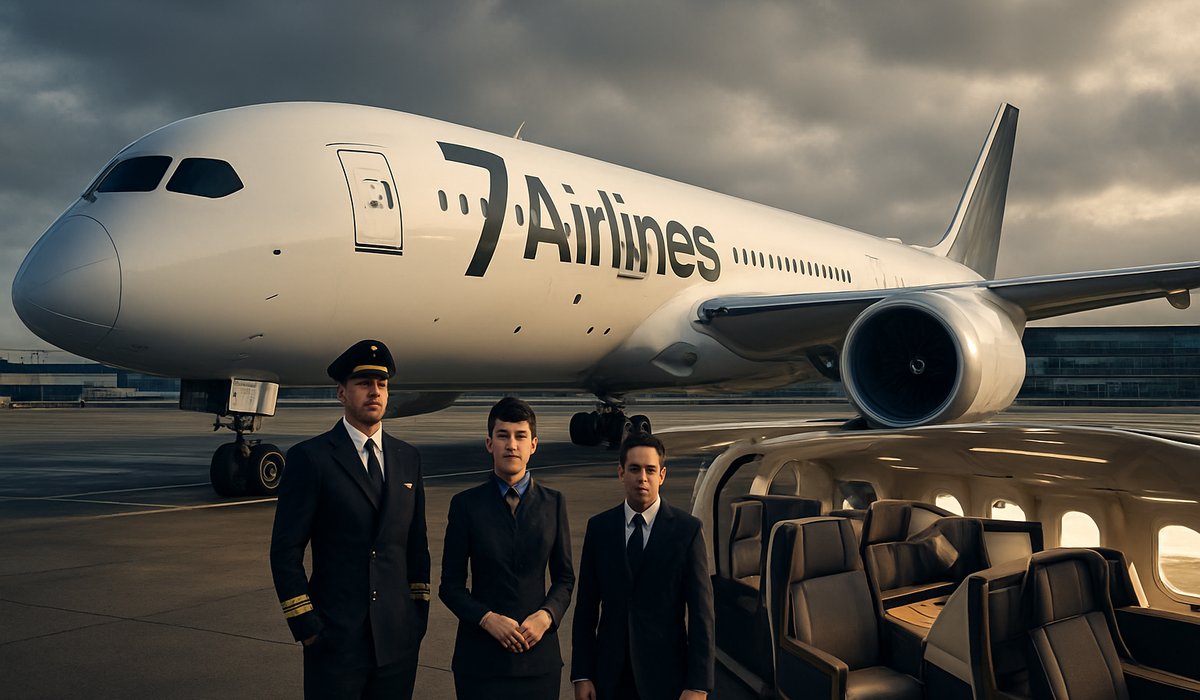
Image generated by AI
Seven Airlines Redefining Business Class Luxury in 2026: Inside the World's Most Advanced Premium Cabins
As carriers compete for high-yield passengers, premium seat technology reaches new heights with fully flat beds, direct-aisle access, and bespoke amenities
The Business Class Arms Race Takes Flight
The global aviation industry is witnessing an unprecedented competition among major carriers to dominate the premium travel segment, with business class seat design emerging as the decisive battleground in 2026. As airlines vie for affluent travelers willing to pay premium fares—often exceeding $10,000 for long-haul routes—the quality and innovation of the seat itself has become the cornerstone of competitive differentiation.
Beyond the polished lounges, expedited security lanes, and Michelin-starred catering that have long defined business class travel, today's premium passengers demand seats that deliver comfort, privacy, and cutting-edge technology. Seven carriers have distinguished themselves through transformative cabin innovations that are reshaping traveler expectations across the industry.
Seat Technology Becomes the Ultimate Differentiator
Modern business class seating has evolved into a sophisticated ecosystem of features. The leading global airlines now offer fully flat beds with mattress toppers, direct-aisle access to eliminate middle-seat compromises, adjustable ambient lighting systems, and integrated entertainment consoles. Some carriers have incorporated sleep-tracking technology and personalized comfort settings that remember passenger preferences across multiple flights.
Airlines recognize that premium cabin revenue—which can account for 40-50% of total airline profits despite representing only 10% of passengers—directly correlates with seat quality and passenger satisfaction ratings. This economic reality has driven investment cycles exceeding $1 billion per carrier in recent years.
The Holistic Premium Experience Framework
While seats remain paramount, leading carriers have architected comprehensive premium experiences around cabin products. Priority access programs now include dedicated security checkpoints, spa-quality shower facilities in airport lounges, and personalized meal planning curated by celebrity chefs. Premium boarding sequences provide unobstructed cabin access during loading, while high-speed WiFi systems have transitioned from amenity to expectation.
The integration of these elements—seat design, dining standards, connectivity infrastructure, and ground services—creates what industry analysts term the "total premium proposition." Passengers increasingly evaluate business class offerings through this holistic lens rather than isolating individual components.
Industry Implications and Market Trajectory
The emphasis on premium cabin excellence reflects broader aviation economics. As fuel costs stabilize and route profitability becomes increasingly dependent on premium yield, carriers continue directing capital toward first and business class modernization. This trend is expected to accelerate through 2027, with particular investment focus on ultra-long-range routes connecting Asia-Pacific markets to Europe and North America.
Frequently Asked Questions
Which airlines have the best business class seats in 2026? Seven carriers have distinguished themselves through innovative seat design, advanced comfort technology, and comprehensive premium cabin ecosystems—though specific rankings vary by route and passenger preferences.
How much does premium business class seating cost? Long-haul business class fares typically range from $8,000 to $15,000 depending on airline, route, and advance booking windows, with premium carriers commanding higher price points.
What makes modern business class seats different from previous generations? Contemporary premium seats feature fully flat beds, direct-aisle access, integrated technology, personalized comfort settings, and enhanced privacy features that older cabin designs cannot accommodate.
Are business class seat investments justified by airline profitability? Yes—premium cabins generate 40-50% of airline profits despite carrying only 10% of passengers, making ongoing seat modernization economically essential.
How do airlines differentiate beyond seat design? Leading carriers combine premium seating with curated dining experiences, priority security access, premium lounges, personalized service, and integrated connectivity solutions.
Related Travel Guides
Disclaimer
This article is for informational and educational purposes only. It does not constitute legal, financial, or professional advice. While we strive to provide accurate and up-to-date information, travel policies, regulations, and conditions change rapidly. Always verify information with official sources before making travel decisions. Nomad Lawyer makes no representations about the accuracy, reliability, completeness, or suitability of the information provided. Readers should consult qualified professionals for advice specific to their circumstances. The views expressed in this article are those of the author and do not necessarily reflect the views of Nomad Lawyer.
Raushan Kumar
Founder & Lead Developer
Full-stack developer with 11+ years of experience and a passionate traveller. Raushan built Nomad Lawyer from the ground up with a vision to create the best travel and law experience on the web.
Learn more about our team →