
Airbus A321XLR Emerges as Clear Winner Over Boeing 737 MAX 10 in Global Narrowbody Aircraft Competition
Breaking airline news and aviation industry updates for 2026.

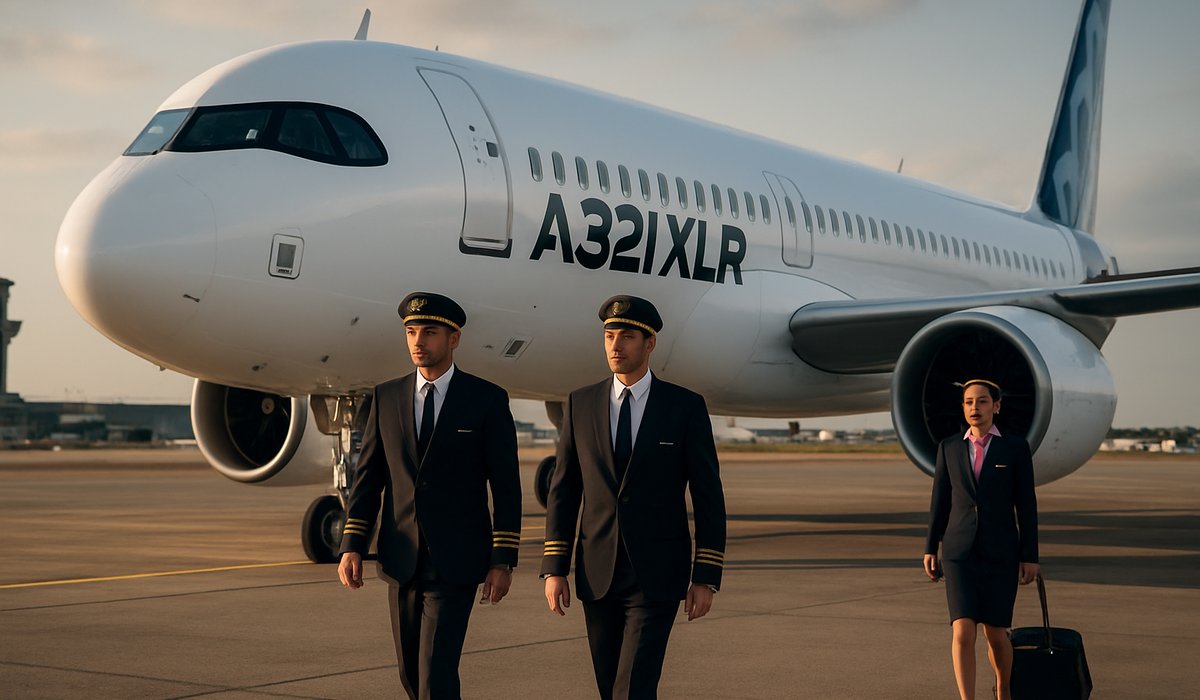
Image generated by AI
Airbus A321XLR Emerges as Clear Winner Over Boeing 737 MAX 10 in Global Narrowbody Aircraft Competition
Airlines worldwide are placing unprecedented orders for Airbus's long-range A321XLR, signaling a major shift in fleet strategy and raising questions about Boeing's competitiveness in the critical narrowbody segment
The Narrowbody Aircraft Showdown
The aviation industry is witnessing a decisive pivot in aircraft procurement, with carriers globally favoring Airbus's A321XLR over Boeing's 737 MAX 10 for their next-generation narrowbody fleets. This strategic preference reflects deeper industry considerations beyond basic specifications—touching on operational economics, route flexibility, and market positioning in an increasingly complex aviation landscape.
The competition between these two aircraft platforms represents one of the most significant procurement decisions facing airlines today, as carriers grapple with post-pandemic route restructuring, volatile fuel costs, and pressure to modernize aging fleets while managing capital expenditure.
Why Airlines Prefer the A321XLR
Extended Range Capabilities
The A321XLR's ability to operate routes traditionally reserved for widebody aircraft fundamentally changes network economics. This extended-range functionality permits airlines to bypass costlier twin-aisle operations on medium-haul routes, directly impacting baggage charges, jet fuel consumption patterns, and overall profitability metrics across their route systems.
Fleet Commonality and Cost Efficiency
Airlines already operating Airbus narrowbodies benefit from streamlined maintenance protocols, pilot training standardization, and parts inventory management. The A321XLR integrates seamlessly into existing A320 family operations, reducing operational friction compared to introducing Boeing's 737 MAX platform variants.
Payload-Range Optimization
Carriers emphasize the A321XLR's superior payload capacity relative to its fuel consumption—a critical advantage as airline fees increasingly reflect true operational costs. Higher passenger density on point-to-point routes reduces per-seat jet fuel expenses and improves margin structure.
Market Positioning and Network Strategy
Airlines are repositioning their networks away from traditional hub-and-spoke models toward direct long-haul operations. The A321XLR's 4,700-nautical-mile range enables carriers to capture underserved markets without the capital intensity or operational complexity of widebody deployment.
Geopolitical and Supply Chain Resilience
Boeing's ongoing certification challenges and production disruptions have created procurement uncertainty. In contrast, Airbus has demonstrated stronger supply chain stability and more predictable delivery schedules—critical factors for airlines planning multi-year fleet transitions.
Industry Implications
The shift toward A321XLR adoption signals fundamental changes in how carriers approach capacity planning and route economics. Airlines are effectively rewriting network assumptions, with implications extending from airport infrastructure requirements to competitive dynamics between carriers on long-haul routes traditionally dominated by widebody aircraft.
This procurement trend also reflects Boeing's broader challenges in the narrowbody market, where the 737 MAX 10 faces regulatory headwinds and competitive disadvantages that extend beyond technical specifications into market confidence and operational reliability perception.
FAQs
Why are airlines choosing A321XLR over Boeing 737 MAX 10? Airlines prefer the A321XLR for its extended range capabilities (4,700 nautical miles), superior operational economics, seamless integration with existing Airbus fleets, and reduced jet fuel consumption per seat compared to Boeing alternatives.
How does the A321XLR affect airline fees and baggage charges? Increased passenger capacity per flight reduces per-seat operational costs, potentially lowering baggage charges and ancillary fees, though pricing strategies remain airline-specific based on market positioning.
What impact does Boeing's 737 MAX situation have on aircraft orders? Supply chain delays, certification uncertainties, and production disruptions have eroded airline confidence in Boeing delivery commitments, making Airbus's demonstrated stability more attractive for fleet planning.
Does the A321XLR replace widebody aircraft? Partially. The A321XLR's extended range enables airlines to operate routes previously requiring widebodies, reducing twin-aisle requirements on medium-haul routes while improving capital efficiency.
How significant is this trend for aviation industry competition? This represents a structural shift in narrowbody market dynamics, favoring Airbus's portfolio and suggesting Boeing must address competitive gaps to regain lost market share among major carriers.
Related Travel Guides
- Sydney Airport Unveils Massive 'The Rocks' Dining Precinct to Shield Passengers From Terminal Congestion and Systemic Travel Chaos: Latest Airline News
- Akasa adds 39th aircraft: Fleet expansion accelerates in 2026
- Delta Air Lines Flight DAL2725 Boeing 737-832 Diverts From San Francisco to Los Angeles Route at Fresno Yosemite International Airport Following Cockpit Engine Warning
Disclaimer
This article is for informational and educational purposes only. It does not constitute legal, financial, or professional advice. While we strive to provide accurate and up-to-date information, travel policies, regulations, and conditions change rapidly. Always verify information with official sources before making travel decisions. Nomad Lawyer makes no representations about the accuracy, reliability, completeness, or suitability of the information provided. Readers should consult qualified professionals for advice specific to their circumstances. The views expressed in this article are those of the author and do not necessarily reflect the views of Nomad Lawyer.
Preeti Gunjan
Contributor & Community Manager
A passionate traveller and community builder. Preeti helps grow the Nomad Lawyer community, fostering engagement and bringing the reader experience to life.
Learn more about our team →