
Lufthansa Commits to 20 New Widebody Jets, Signaling Major Fleet Modernization Push Through 2034
Breaking airline news and aviation industry updates for 2026.

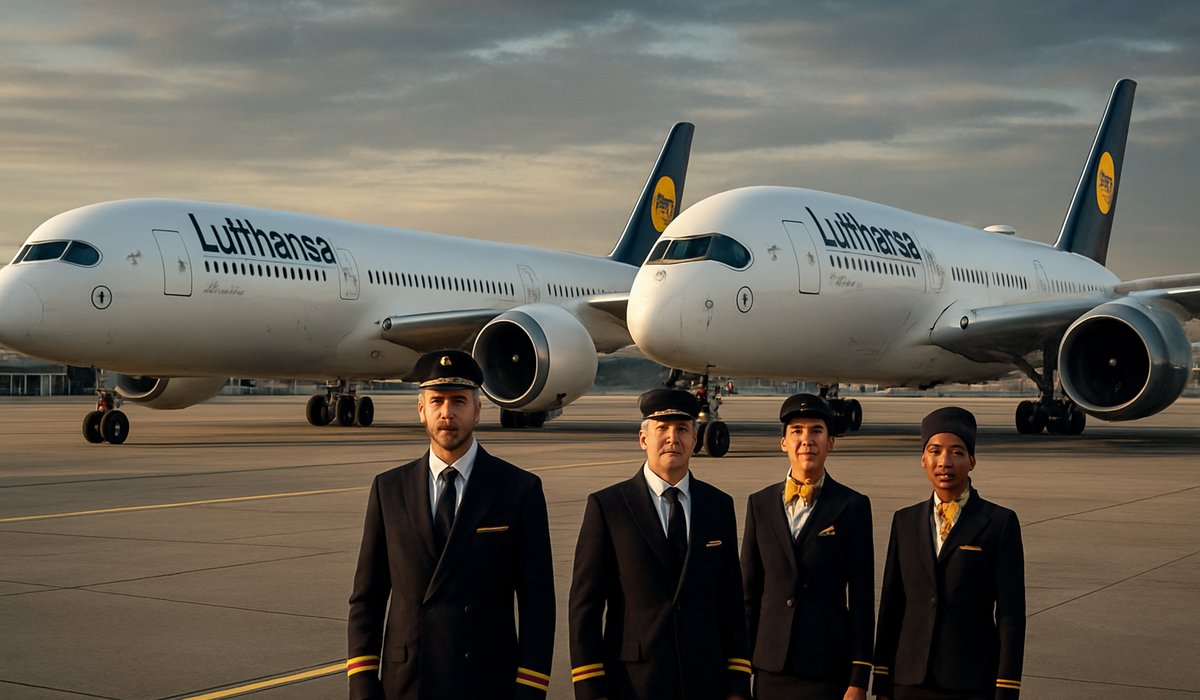
Image generated by AI
Lufthansa Commits to 20 New Widebody Jets, Signaling Major Fleet Modernization Push Through 2034
German carrier doubles down on long-haul capacity with split Boeing-Airbus order valued in billions
Supervisory Board Green-Lights Expansion Plan
Lufthansa's Supervisory Board has given final approval to a substantial widebody aircraft acquisition spanning two of aviation's most advanced manufacturers. The German flag carrier will receive ten Boeing 787-9 Dreamliners and ten Airbus A350-900s under the order, with all deliveries anticipated between 2032 and 2034.
This strategic investment underscores Lufthansa's commitment to modernizing its long-haul fleet at a critical juncture for the global aviation industry, as carriers grapple with rising jet fuel prices, evolving passenger demand, and pressure to reduce carbon emissions.
A Balanced Bet on Two Technology Platforms
The decision to split the order equally between Boeing and Airbus represents a calculated approach to fleet diversification. Both aircraft represent the pinnacle of modern widebody efficiency—the 787-9 typically carries 242-330 passengers, while the A350-900 accommodates 278-440 seats depending on configuration.
"This order reflects our strategic vision for sustainable growth," Lufthansa emphasized in approving the expansion, positioning the acquisition as essential for maintaining its competitive standing in an increasingly crowded transatlantic and intercontinental market.
The extended delivery window through 2034 provides the airline with financial flexibility and allows it to absorb these aircraft systematically while managing capital expenditure across multiple business units within the Lufthansa Group.
Industry Context: Modernization Under Pressure
The timing of Lufthansa's expansion is significant. Global airlines are confronting mounting operational costs, driven partly by volatile aviation fuel markets and geopolitical supply chain disruptions. Newer widebody aircraft like the 787-9 and A350-900 offer substantial fuel efficiency advantages—up to 20-25% improvements over legacy aircraft—translating directly into reduced operating expenses and lower carbon emissions.
This efficiency gain becomes increasingly critical as European aviation faces stricter environmental regulations and passenger preferences shift toward sustainably-operated carriers.
Strategic Implications for Global Aviation
Lufthansa's investment signals confidence in long-haul travel recovery and sustained premium leisure and business demand on intercontinental routes. The order also reflects ongoing competition among European carriers for market share on lucrative transatlantic services and growing Asian-European connections.
For Boeing and Airbus, the order represents a vote of confidence despite ongoing production challenges and delivery delays affecting both manufacturers in recent years.
Frequently Asked Questions
Why is Lufthansa ordering new widebody aircraft now? Modern widebodies like the 787-9 and A350-900 reduce jet fuel costs by 20-25%, helping airlines manage operational expenses while meeting stricter environmental regulations and passenger sustainability expectations.
When will these aircraft enter service? Deliveries are scheduled between 2032 and 2034, allowing Lufthansa to integrate them systematically into fleet operations.
How does this order affect airline fees and ticket pricing? Greater fuel efficiency typically reduces long-term operational costs, potentially moderating baggage charges and base fares—though market competition and fuel price volatility remain primary pricing drivers.
Why split the order between Boeing and Airbus? Diversification across manufacturers reduces supply chain risk and provides operational flexibility, while maintaining competition and leveraging each aircraft's specific strengths.
What does this mean for the aviation industry? Major fleet modernization orders signal recovery confidence in international travel and competitive pressure on carriers to upgrade aging aircraft or risk higher operating costs.
Related Travel Guides
- Accidental Plains Escapes: Flight Diversions Redirect to Omaha
- Air Transat Launches London Gatwick to Ottawa Nonstop Flights Deploying Airbus A321LR to Boost Canada-UK Transatlantic Connectivity: New Aviation Updates
- Salt Lake City International Airport Faces 35 Flight Delays: Delta, Southwest, and SkyWest Hit as Operational Strain Slows Mountain West Travel Chaos Avoidance
Disclaimer
This article is for informational and educational purposes only. It does not constitute legal, financial, or professional advice. While we strive to provide accurate and up-to-date information, travel policies, regulations, and conditions change rapidly. Always verify information with official sources before making travel decisions. Nomad Lawyer makes no representations about the accuracy, reliability, completeness, or suitability of the information provided. Readers should consult qualified professionals for advice specific to their circumstances. The views expressed in this article are those of the author and do not necessarily reflect the views of Nomad Lawyer.
Kunal K Choudhary
Co-Founder & Contributor
A passionate traveller and tech enthusiast. Kunal contributes to the vision and growth of Nomad Lawyer, bringing fresh perspectives and driving the community forward.
Learn more about our team →