
Delta Air Lines Retires Aging Boeing 767 Fleet: Airline Faces Mounting Pressure to Replace 36 Widebody Aircraft by 2030
Breaking airline news and aviation industry updates for 2026.

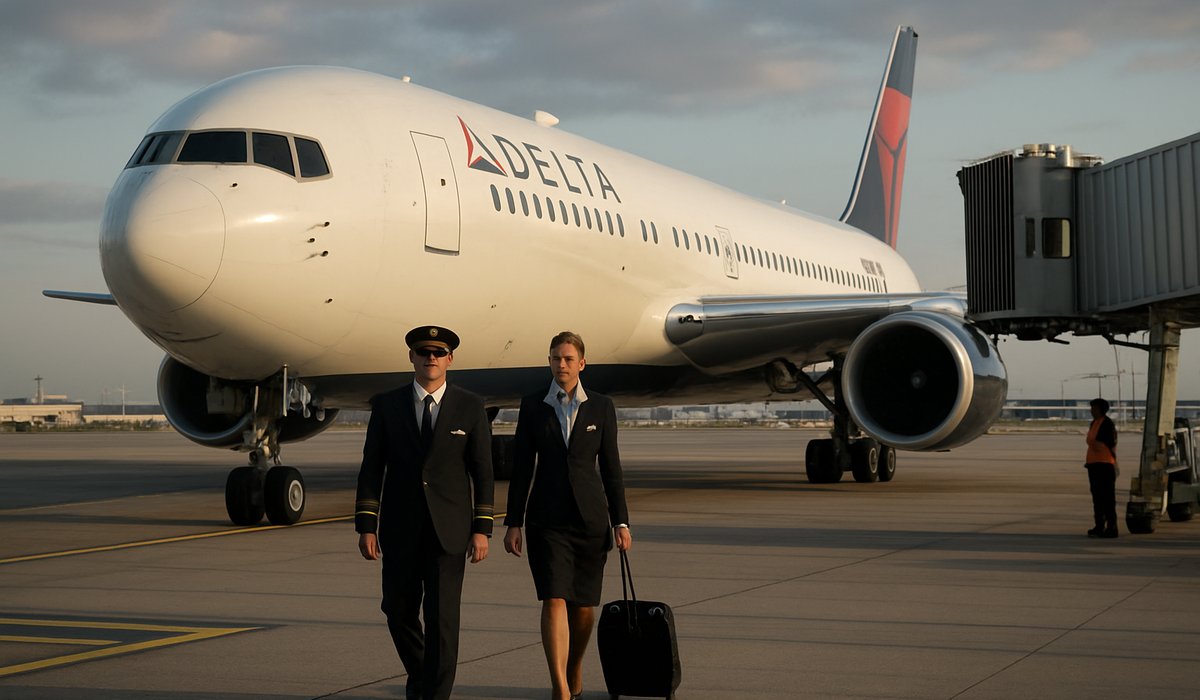
Image generated by AI
Delta Air Lines Retires Aging Boeing 767 Fleet: Airline Faces Mounting Pressure to Replace 36 Widebody Aircraft by 2030
Carrier accelerates aircraft modernization amid operational challenges and fuel efficiency concerns
Historic Retirement Marks Beginning of Major Fleet Overhaul
Delta Air Lines has retired one of its oldest widebody aircraft, signaling the beginning of an aggressive fleet renewal strategy that will reshape the carrier's long-haul operations over the next four years. On April 10, 2026, the airline formally retired N171DN, a Boeing 767-300ER that had accumulated nearly 36 years of continuous service since its June 1990 delivery—making it one of the longest-serving aircraft in the airline's operational history.
The retired widebody completed its final revenue flight on April 9, traveling from San Francisco to Atlanta before operating a non-revenue positioning flight to Birmingham, Alabama, where it will be dismantled and salvaged for parts. Throughout its three-and-a-half decades of operation, the aircraft logged over 151,000 flight hours and completed approximately 23,000 takeoff-and-landing cycles.
The Larger Fleet Modernization Challenge
This single retirement represents just the tip of a much larger operational challenge facing Delta: the carrier operates approximately 36 Boeing 767-300ER aircraft that must be phased out by 2030 to comply with mounting regulatory requirements and fuel efficiency mandates. The deadline reflects broader industry pressures to reduce carbon emissions and operational costs as jet fuel prices remain volatile and environmental regulations tighten across major markets.
The 767-300ER, while historically reliable, has become increasingly expensive to maintain and operate compared to newer-generation widebody aircraft. Modern competitors like the Boeing 787 Dreamliner and Airbus A350 offer superior fuel efficiency—a critical advantage as airlines navigate fluctuating energy costs and shareholder demands for improved profitability.
Industry-Wide Fleet Aging Problem
Delta's challenge mirrors a growing crisis across the aviation industry. Legacy carriers are grappling with aging widebody fleets purchased during the 1980s and 1990s, requiring simultaneous replacement programs that strain capital resources and operational planning. Supply chain disruptions and production delays at Boeing and Airbus have further complicated efforts to retire older aircraft on schedule.
The phaseout also carries implications for airline fees and pricing structures. Older aircraft typically demand higher maintenance costs, which carriers often offset through baggage charges and ancillary revenue streams. Newer, more efficient aircraft could theoretically reduce these pressures—though competitive dynamics suggest airlines may maintain current fee structures to boost profit margins.
What This Means for Passengers and the Industry
As Delta navigates this transition, frequent flyers may experience route reallocations, service adjustments, and potential fare variations as the airline optimizes its network around newer aircraft capabilities. The retirement also reflects Delta's confidence in securing replacement aircraft deliveries despite ongoing production bottlenecks affecting the entire aviation sector.
FAQ: Understanding Delta's Fleet Modernization
Why is Delta retiring the Boeing 767 fleet? Aging widebody aircraft like the 767 require increasingly expensive maintenance, consume more jet fuel, and fail to meet modern emissions standards. Newer aircraft offer superior fuel efficiency and lower operating costs.
How does this affect airline baggage fees and ticket prices? While newer aircraft may reduce maintenance-driven costs, carriers typically maintain baggage charges and airline fees to preserve profit margins. Passengers may see route changes rather than immediate fare reductions.
What aircraft will replace the Boeing 767? Delta is likely transitioning to Boeing 787 Dreamliners and Airbus A350 aircraft, which offer 20-25% better fuel efficiency than the 767-300ER.
When will all 36 aircraft be retired? Delta's target deadline is 2030, requiring retirement of approximately seven to nine aircraft annually over the next four years.
How do fuel prices impact this retirement timeline? Higher jet fuel prices accelerate the business case for retiring inefficient aircraft, as operating cost savings become more compelling to shareholders and executives.
Related Travel Guides
External Resources
Disclaimer
This article is for informational and educational purposes only. It does not constitute legal, financial, or professional advice. While we strive to provide accurate and up-to-date information, travel policies, regulations, and conditions change rapidly. Always verify information with official sources before making travel decisions. Nomad Lawyer makes no representations about the accuracy, reliability, completeness, or suitability of the information provided. Readers should consult qualified professionals for advice specific to their circumstances. The views expressed in this article are those of the author and do not necessarily reflect the views of Nomad Lawyer.
Raushan Kumar
Founder & Lead Developer
Full-stack developer with 11+ years of experience and a passionate traveller. Raushan built Nomad Lawyer from the ground up with a vision to create the best travel and law experience on the web.
Learn more about our team →