
32 Million Pilgrims Surge Into Europe 2026: Rome's Jubilee, Camino Trails, and Jerusalem Redefine Religious Tourism
A historic spiritual awakening transforms Europe as 32 million pilgrims converge on Rome, Spain's Camino routes, and Israel during 2026's unprecedented Jubilee Year, reshaping religious tourism forever.

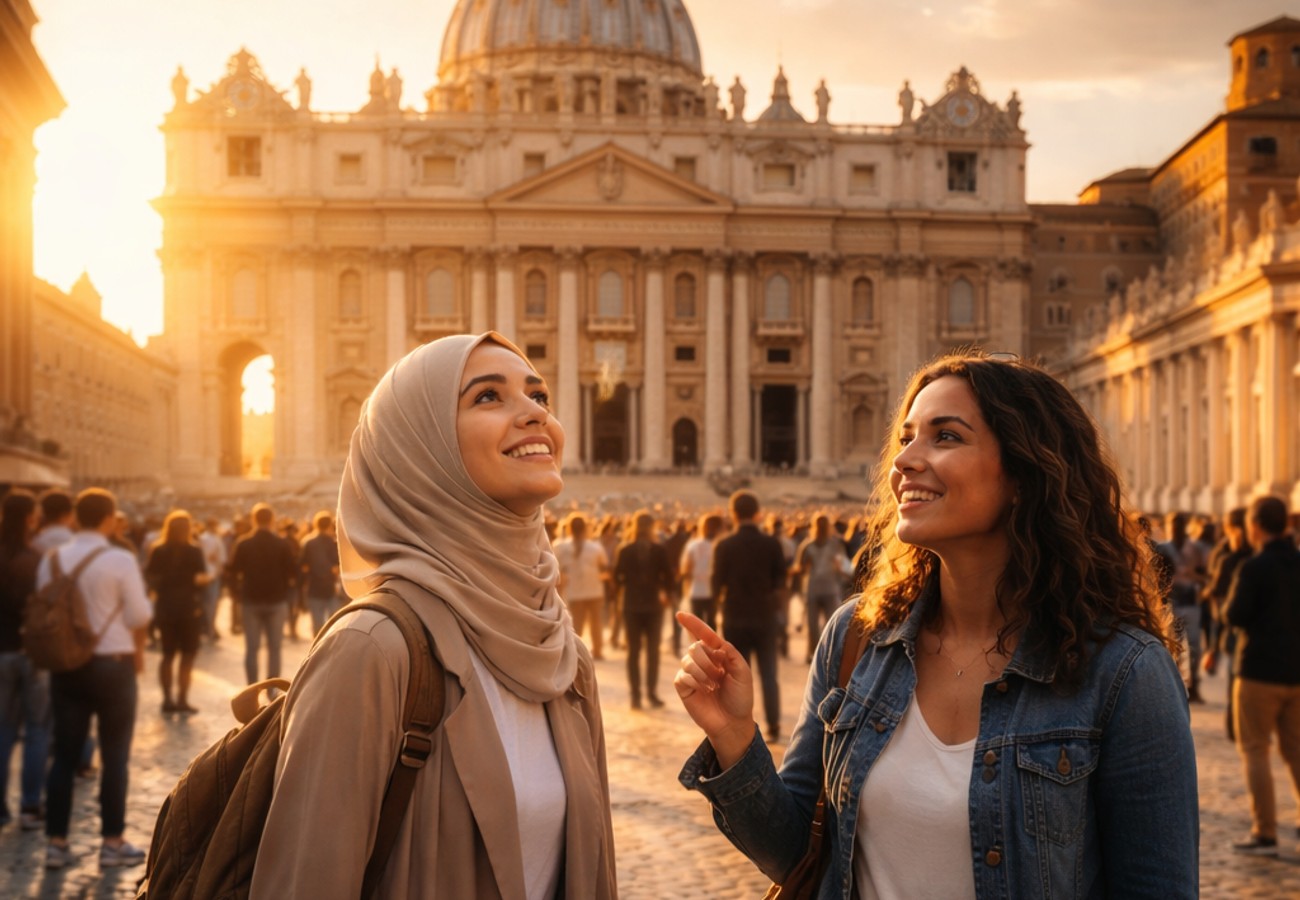
Image generated by AI
The Spiritual Earthquake Reshaping Europe in 2026
Something unprecedented is happening across Europe's sacred corridors. 32 million pilgrims are converging on Rome, Jerusalem, and Spain's iconic Camino trails during what's being called the greatest religious tourism surge in modern history. The shockwave began rippling in late 2024 and won't subside until January 2026—and the implications are staggering.
I've covered travel phenomena for years, but the scale of this pilgrimage revival is genuinely extraordinary. It's not just tourism—it's a continent-wide spiritual reckoning, complete with digital apps, interfaith harmony, and governments scrambling to upgrade infrastructure. Religious devotion has become the defining travel story of our time.
Rome's 32 Million: When Faith Breaks All Records
Rome is bracing for an invasion of believers.
The Catholic Church's Jubilee Year, officially running from December 24, 2024 to January 6, 2026, has triggered the largest pilgrimage convergence the Eternal City has witnessed in generations. Over 32 million pilgrims—a population larger than entire European nations—are expected to pass through St. Peter's Square, queue for the Holy Door, and flood Rome's historic piazzas.
Hotel booking sites are flashing sold-out warnings. Streets hum with chants. Local guides report working 14-hour days. The city's capacity isn't just being stretched—it's being rewritten.
Reddit: "Booked Rome for March 2026 and hotels near the Vatican were triple their normal rates. Worth it though, witnessing this moment in history." — r/travel
What makes this different from previous Jubilees? Accessibility. Digital tools, online ticketing via the IUBILAEUM25 app, and a digital Pilgrim Card mean more people can navigate crowds efficiently than ever before. Rome isn't just hoping to accommodate 32 million—it's engineered the experience to function at that scale.
Spain's Sunlit Sanctuaries: The Pilgrimage Powerhouse
If Rome is the spiritual epicenter, Spain is the pilgrimage engine.
Eurostat data reveals that Spanish destinations logged 322 million overnight stays in 2024—and 2026 figures will dwarf that number. The Camino de Santiago and its variations (especially the booming Portuguese Coastal Way) have become the pilgrim's path of choice. Unlike Rome's urban intensity, these routes offer what seekers crave: time, contemplation, and literal footsteps toward faith.
Local governments are investing heavily. Heritage site restorations, new hostel infrastructure, and multilingual guide training programs are underway across Galicia, Castilla, and Aragon. Towns along the routes are experiencing economic renewal that reaches far beyond tourism—artisan crafts, small restaurants, and rural economies are revitalizing.
The Camino isn't a pilgrimage route anymore. It's become a cultural and economic lifeline for Spain's interior regions.
Israel's Triple-Faith Convergence: Jerusalem's Moment
Israel is positioning itself as 2026's multi-faith pilgrimage hub.
Here's the critical factor: 2025 marks a rare alignment where Holy Week, Easter, and Pentecost coincide—creating an unprecedented ecumenical window. Add to that the Catholic Jubilee's reach, and Jerusalem becomes a crossroads where Christians, Muslims, and Jews converge simultaneously.
The Ministry of Foreign Affairs has rebranded this as a "time of profound spiritual renewal," and the infrastructure investments back that claim. The government is preparing the 111 km "Way to Jerusalem" pilgrimage route from Jaffa Port, opening historic museum sections, and deploying archaeological pathways that connect sacred sites with ancient history.
Three basilicas anchor the Israeli pilgrimage experience:
- Basilica of the Annunciation in Nazareth
- Basilica of the Nativity in Bethlehem
- Basilica of the Holy Sepulcher in Jerusalem
Visitors can receive Jubilee indulgences by visiting these three sites—a spiritual incentive that's already driving booking surges across tour operators.
The Digital Pilgrim: Apps, QR Codes, and Sacred Site Management
The 2026 pilgrimage isn't your medieval Camino experience.
Technology is orchestrating the entire spiritual choreography. Rome's IUBILAEUM25 app allows visitors to pre-plan entries to major basilicas and avoid real-time crowds. QR-coded passes streamline access to shrines. Digital Pilgrim Cards track completed sites. Meanwhile, European Muslims use the official Nusuk platform to coordinate Hajj and Umrah travel.
This digital layer has transformed pilgrimage from a leap of faith into a managed leap of faith. Security improves. Bottlenecks dissolve. Pilgrims receive real-time notifications about crowd density at St. Peter's or the Holy Sepulcher. It's ancient devotion meets 21st-century logistics.
British Muslims Join the Global Pilgrimage Surge
Religious tourism extends far beyond Christianity's routes.
The UK Foreign Office reports surging outbound travel from British Muslims heading to Mecca for Hajj and Umrah. Group packages departing from London, Paris, and Berlin cater to this growing demographic. What's remarkable: Europe serves as both a destination for pilgrims and a launching hub for global faith journeys.
This multi-directional movement—Christians walking to Rome, Muslims flying to Mecca, Jews visiting Jerusalem—proves that religious tourism has become truly transcontinental.
Infrastructure, Safety, and Government Coordination
Authorities across Europe are implementing serious safety protocols.
UK advisories for pilgrims heading to Mecca mandate:
- e-visas
- Vaccinations against ACWY meningitis
- ATOL-protected travel agents for bookings
Italian and Israeli authorities are deploying first-aid stations, emergency medical staff, and trained guides at every major sacred site. Crowd control measures at iconic locations have been stress-tested and refined based on 2024-2025 trial runs.
Governments have recognized a fundamental truth: faith and public safety aren't contradictory—they're complementary.
Economic Impact: When Spirituality Drives Development
The numbers tell a stunning story.
EU residents completed 1.2 billion trips in 2024, with religious tourism emerging as a significant segment. Each pilgrimage dollar cascades through local economies: accommodation, dining, transport, souvenir markets. Rural towns along the Camino have seen barns converted into hostels, artisan goods finding international markets, and municipal budgets strengthened by visitor spending.
Pilgrimage revitalizes economies that tourism alone cannot reach. Schools, hospitals, and public services in Spain's interior, Israel's smaller towns, and Rome's periphery all benefit. Religious tourism has become a poverty-alleviation tool disguised as spiritual travel.
Interfaith Harmony: A Sacred Mosaic
What's genuinely moving is the interfaith dialogue happening because of these pilgrimages.
Catholics, Orthodox Christians, and Protestants participate in Jubilee events side by side. Jerusalem hosts simultaneous multi-faith observances. Pilgrim groups interact, share meals, and sometimes participate in joint prayers. The Camino's diverse walkers—from devout Catholics to secular seekers—create spontaneous communities that transcend doctrine.
Reddit: "Met a Muslim engineer, a Jewish architect, and an atheist philosophy student on the Camino in April 2026. We walked together for six days. Faith or no faith, we all found something." — r/spirituality
These interactions foster tolerance and mutual respect in ways that policy documents cannot mandate. Pilgrimage becomes a conduit for peace.
Green Pilgrimage: Sustainability on Sacred Routes
European governments are integrating eco-conscious practices into pilgrimage infrastructure.
Green Pilgrimage schemes promote walking routes (carbon-free), sustainable transport options, waste reduction at holy sites, and wildlife protection along routes. The underlying philosophy: spiritual salvation shouldn't come at the planet's expense.
Pilgrims can now embark on journeys that align personal faith with environmental responsibility. It's tradition meeting modernity in the most ethical way possible.
Health, Wellbeing, and the Pilgrim's Body
Mass pilgrimages entail real health risks.
Vaccinations, hydration protocols, sun protection, and prescribed rest days are emphasized across all major routes. Emergency medical stations operate 24/7 at major basilicas and Camino waypoints. Health infrastructure ensures that spiritual growth doesn't come at the cost of physical collapse—a reality officials took seriously after analyzing crowd data from 2024-2025.
The Challenges: Overcrowding, Heritage Preservation, Security
Not everything is celebratory.
Rome's anticipated 32 million visitors raises legitimate concerns:
- Site damage: Stone wears. Precious artifacts face foot-traffic risks.
- Overcrowding: Infrastructure bottlenecks could create dangerous conditions.
- Security threats: Large gatherings attract security concerns.
Governments are preemptively restoring heritage sites, installing protective barriers, and deploying security personnel. The race is on to accommodate spiritual devotion without sacrificing the very heritage that drew pilgrims in the first place.
What 2026 Means for Religious Tourism's Future
This isn't a temporary spike. The Jubilee Year of 2026 marks a structural shift in how people travel, what they seek, and how cities plan for visitors.
Religious tourism has entered the mainstream. It's no longer niche—it's reshaping European infrastructure, economies, and cross-cultural relations. The question isn't whether this pilgrimage surge will happen; it's whether Europe's cities and governments can manage it wisely.
The answer, so far, is: they're trying.
Rome's piazzas are humming. The Camino's paths are filling. Jerusalem waits. The spiritual reckoning of 2026 has already begun.
Related Travel Guides
Disclaimer
This article is for informational and educational purposes only. It does not constitute legal, financial, or professional advice. While we strive to provide accurate and up-to-date information, travel policies, regulations, and conditions change rapidly. Always verify information with official sources before making travel decisions. Nomad Lawyer makes no representations about the accuracy, reliability, completeness, or suitability of the information provided. Readers should consult qualified professionals for advice specific to their circumstances. The views expressed in this article are those of the author and do not necessarily reflect the views of Nomad Lawyer.
Kunal K Choudhary
Co-Founder & Contributor
A passionate traveller and tech enthusiast. Kunal contributes to the vision and growth of Nomad Lawyer, bringing fresh perspectives and driving the community forward.
Learn more about our team →