
United Airlines Passenger Receives Minimal Compensation for Broken $7,400 Business Class Seat on 14-Hour Flight
Breaking airline news and aviation industry updates for 2026.

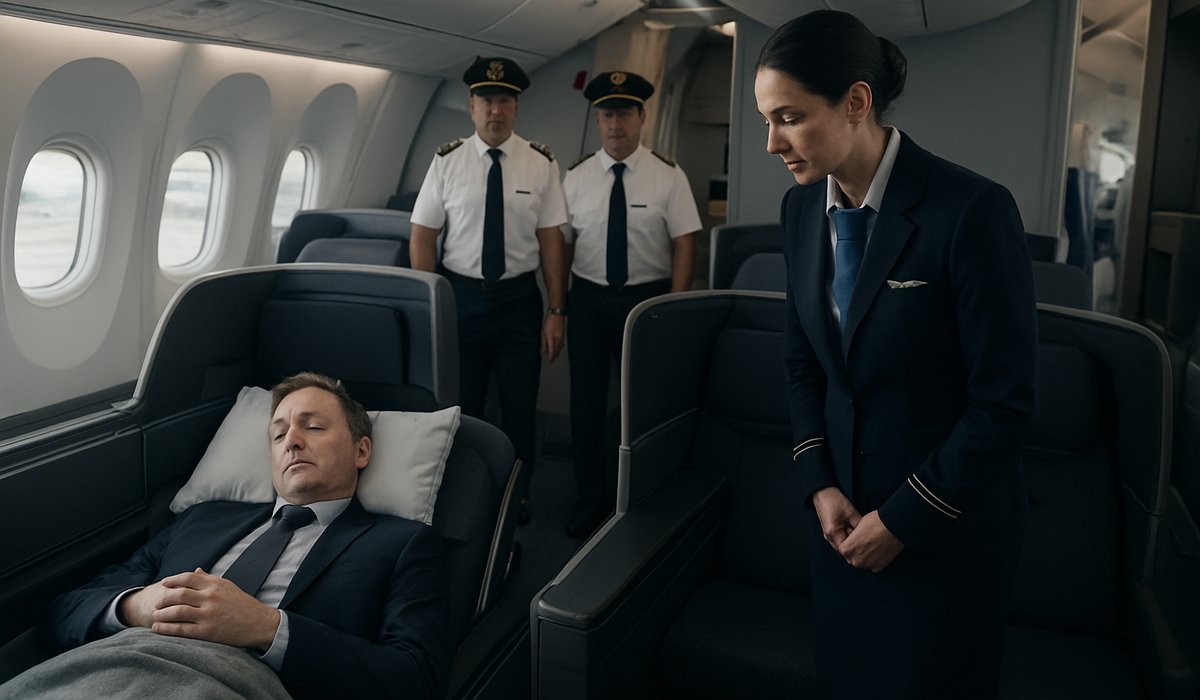
Image generated by AI
United Airlines Passenger Receives Minimal Compensation for Broken $7,400 Business Class Seat on 14-Hour Flight
A traveler's experience highlights growing frustration over inadequate service recovery in premium cabin operations
Premium Cabin Malfunction Sparks Compensation Debate
A United Airlines passenger who paid $7,400 for a business class Polaris seat on a transpacific flight to Beijing has come forward with her experience, revealing a significant gap between premium ticket prices and service delivery standards. The passenger, identified as Cathy, purchased two Polaris seats—one for herself and a companion ticket for her adult daughter—for travel last October.
The critical issue emerged when Cathy's seat failed to recline properly during the 14-hour journey, effectively preventing her from utilizing the lie-flat functionality that defines the airline's premium product. Despite paying a substantial premium fare for what United markets as its flagship long-haul business class experience, the malfunction went unresolved throughout the flight.
Compensation Falls Far Short of Service Expectations
When seeking resolution after landing, United's service recovery offer proved disappointing. The carrier provided a $500 travel credit—representing less than 7% of the original seat fare—leaving the passenger considerably frustrated with what industry observers characterize as inadequate remediation.
This incident underscores a persistent challenge in the aviation industry: the widening disconnect between premium pricing and actual service delivery. Business class fares on long-haul routes have surged in recent years, with carriers justifying higher costs through enhanced amenities, exclusive seating, and personalized service. When these promises fail to materialize, compensation frameworks often fall dramatically short of passenger expectations.
Growing Tensions Over Airline Service Standards
United's response reflects a broader industry pattern where compensation policies have not kept pace with fare inflation. As jet fuel prices remain volatile and operational costs continue climbing, airlines have simultaneously increased premium cabin pricing while maintaining conservative service recovery budgets.
The Polaris cabin, which United positions as a competitor to rival carriers' premium business offerings like American Airlines' Flagship Business or Delta One, commands premium pricing specifically for enhanced comfort features. The lie-flat bed functionality is a central value proposition—making seat malfunctions particularly egregious failures.
Consumer advocacy groups have increasingly called for proportional compensation structures that reflect the premium prices passengers pay. A $500 credit for a $7,400 seat malfunction on an extended transpacific flight falls significantly below industry best practices observed among international carriers.
Industry Implications
This case arrives amid broader scrutiny of airline baggage fees, ancillary charges, and service quality inconsistencies. As carriers continue extracting revenue through premium cabin pricing and supplementary fees, passenger tolerance for service failures appears to be eroding.
United has not publicly responded to specific details of this compensation case, though the carrier has previously emphasized its commitment to customer service standards.
FAQ: Airline Seat Failures and Passenger Rights
Q: What compensation am I entitled to if my airline seat malfunctions on a long-haul flight? A: U.S. carriers have discretionary compensation policies rather than mandated reimbursement structures. Unlike European regulations (EU261), American airlines determine their own service recovery amounts. Documentation of the malfunction and timely complaints strengthen your case.
Q: How do jet fuel prices affect airline baggage fees and premium cabin pricing? A: Rising fuel costs directly impact airline operational expenses, typically resulting in increased ticket prices and supplementary fees. However, premium cabin pricing often rises disproportionately, as carriers maintain higher margins on business class fares.
Q: Is business class compensation different from economy class compensation? A: Yes. Premium cabin passengers typically receive higher compensation offers, though many argue the amounts remain disproportionate to ticket prices paid. United's $500 offer sparked debate because it represented less than 7% of the original fare.
Q: Can I dispute an airline's compensation offer? A: Yes. Passengers can escalate complaints through corporate customer relations, regulatory bodies like the U.S. Department of Transportation, or pursue legal action. Credit card chargebacks may also be viable options.
Q: What should I do if I experience a service failure in business class? A: Document everything with photos/videos, file complaints immediately with cabin crew, request formal incident reports, and submit written compensation requests with supporting evidence within 30 days of travel.
Related Travel Guides
External Resources
Disclaimer
This article is for informational and educational purposes only. It does not constitute legal, financial, or professional advice. While we strive to provide accurate and up-to-date information, travel policies, regulations, and conditions change rapidly. Always verify information with official sources before making travel decisions. Nomad Lawyer makes no representations about the accuracy, reliability, completeness, or suitability of the information provided. Readers should consult qualified professionals for advice specific to their circumstances. The views expressed in this article are those of the author and do not necessarily reflect the views of Nomad Lawyer.
Kunal K Choudhary
Co-Founder & Contributor
A passionate traveller and tech enthusiast. Kunal contributes to the vision and growth of Nomad Lawyer, bringing fresh perspectives and driving the community forward.
Learn more about our team →