
Wellness Travel: Yorkshire Revives Historic Thermal Spa Towns
Yorkshire is reviving its historic spa towns of Harrogate, Knaresborough, and Ilkley, positioning them at the center of Britain's wellness economy.

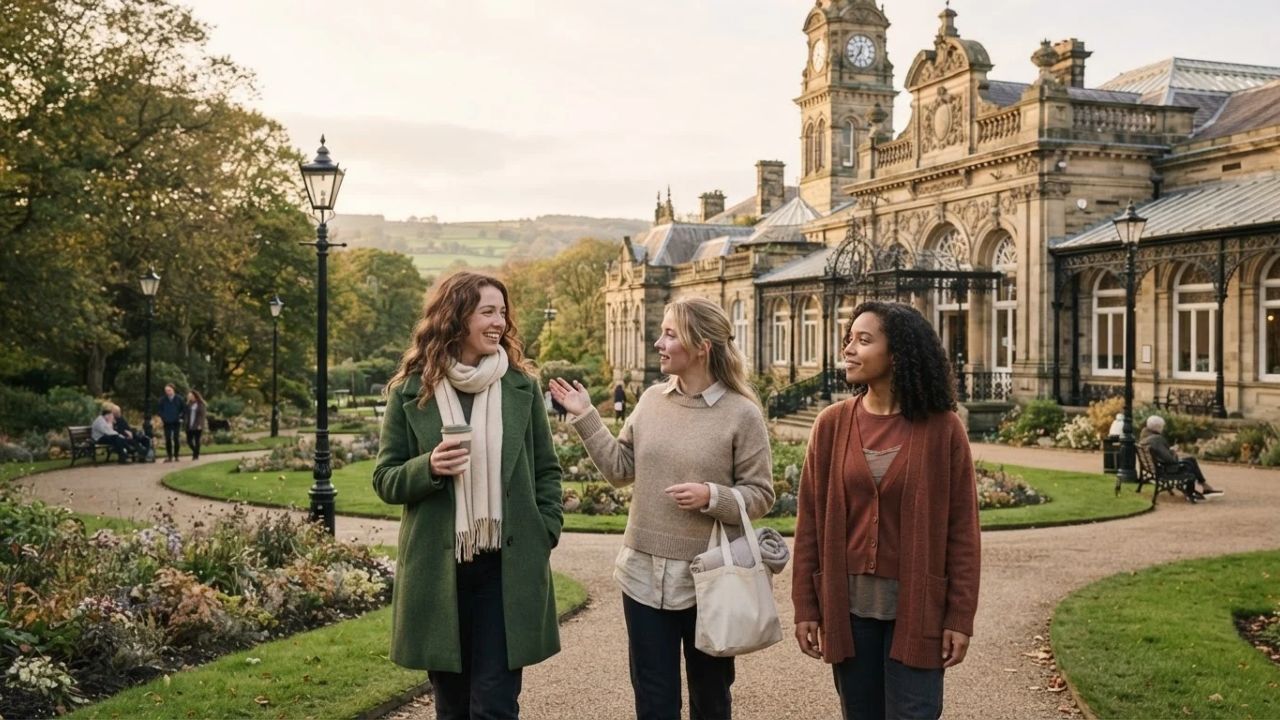
Image generated by AI
Yorkshire is reviving its historic spa towns of Harrogate, Knaresborough, and Ilkley, positioning them at the center of Britain's wellness economy. The initiative aligns with a domestic tourism spend forecast of £78 billion in England for 2025.
The Modern Reinterpretation of Historic Spa Destinations
A significant trend in British tourism is the transition of historic thermal towns into contemporary wellness retreats. Historically, Victorian spa towns operated as seasonal hubs where wealthy visitors gathered to drink mineral waters and walk along manicured promenades. In 2026, the rise in wellness travel has prompted destination boards to restore these heritage assets, combining traditional thermal sequences with outdoor recreation and regional dining.
By linking historic architecture with active recovery—such as fell walking, riverside paths, and cold-water therapy—destinations create multi-day itineraries that encourage visitors to stay overnight. This helps distribute visitor spending across local hotels, restaurants, and independent shops, supporting regional economies throughout the year.
Harrogate: The Principal Wellness Anchor
Harrogate represents the core of the regional spa revival, maintaining its Victorian structures:
- Royal Pump Room: Built in 1842 over the town's sulphur springs, it once attracted 15,000 visitors each summer. The building underwent a £20,000 restoration in 2024.
- Victorian Turkish Baths: A Grade II* listed facility that combines Moorish-inspired arches with a functioning heating and cooling sequence.
- Visitor Economy (2024): Harrogate welcomed 3.1 million visitors, generating a £483 million economic impact and supporting 4,239 full-time-equivalent (FTE) jobs.
- Stay Duration: The average stay length was 1.6 days, highlighting the opportunity to convert day visitors into multi-night guests.
These historic facilities allow Harrogate to position itself as a major center for cultural wellness.
Knaresborough and Ilkley: Heritage and Natural Landscapes
Surrounding towns provide complementary wellness experiences based on history and geography:
- Knaresborough’s Heritage: Emerged as a spa destination in the late 16th century, promoted by Edmund Deane in 1626 through Spadacrene Anglica. It offers riverside walks along the Long Walk, close to the Dropping Well.
- Ilkley’s Moorland Setting: Connects thermal history with outdoor recreation beside Ilkley Moor.
- VisitBritain Walking Stats: Overseas visits including hiking or walking reached 17.2 million (representing 45% of measured visits), with 8.75 million walks taken in the countryside.
- North Yorkshire Value: The wider county recorded 31.1 million visits and a £4.06 billion visitor-economy value. Overnight stays represented 20% of visits but generated 68% of the total economic impact.
These assets help Yorkshire build a connected wellness circuit that combines urban spas with moorland hiking.
British Wellness and Tourism Spend Projections
The business case for developing Yorkshire's spa assets is supported by national tourism spending:
- England Domestic Tourism (2025): Forecast to reach £78 billion (up 3% YoY), with overnight spending rising 6% to £29 billion.
- Average Overnight Spend: Overnight visitors spent an average of £333 per person in 2025.
- Wellbeing Day-Visit Spend (2024): Day trips involving a health or wellness experience recorded an average spend of £124 per person, compared to £52 for standard day visits.
- Inbound Tourism (2026): VisitBritain forecasts 45.5 million inbound visits to Britain, with spending expected to reach £35.7 billion.
These spending patterns demonstrate the high economic yield associated with health and wellness tourism.
Yorkshire Wellness Tourism Coordinates
The table below breaks down the spa destinations, historical milestones, local economic impacts, and target visitor profiles established for the region:
| Spa Destination Hub | Historic Milestones | Annual Visitor Volume | Local Economic Impact | Target Wellness Activities | Primary Regulatory Body |
|---|---|---|---|---|---|
| Harrogate | Royal Pump Room (1842) | 3.1 million (2024) | £483 million | Turkish Baths & thermal rituals | Historic England (Grade II*) |
| Knaresborough | Spadacrene Anglica (1626) | Regional day visits | Part of £4.06B county value | Riverside walking & slow travel | North Yorkshire Council |
| Ilkley | Moorland health heritage | Active hikers | Part of 31.1M county visits | Moorland walking & fell runs | VisitBritain activity trackers |
These coordinates outline the destinations, milestones, volumes, impacts, activities, and regulators established for the spa towns.
Resource Stewardship and Regional Conservation
For the traveler, the benefit of choosing heritage spa towns is the access to public rail links, which allows visitors to travel between Leeds, Harrogate, and Knaresborough without a private car. Supporting local dining venues that source ingredients from Yorkshire farms keeps travel capital within regional agricultural communities.
Additionally, respecting trail guidelines on Ilkley Moor protects fragile heather habitats from erosion. Following conservation rules inside historic bathhouses preserves Victorian tilework and masonry for future generations.
For example, you can explore the changing dynamics of Stimulus Launch: Taiwan Unveils Billion-Dollar Repeat Visitor Rewards to see how regional governments promote visitor spend. For transit updates, comparing flight scheduling matches other networks, such as Transit Strike: Netherlands Announces Nationwide Public Transport Stoppage updates. This trend is similar to the tourism growth seen in other destinations, as detailed in our guide on how Utica, New York Emerges as an Affordable Northeast Tourism Hub.
Visitor Insider Tips: Planning a Yorkshire Spa Escape
If you are planning a wellness trip to Yorkshire, keep these practical tips in mind:
- Book Turkish Bath Sessions Weeks Ahead: Harrogate’s Victorian Turkish Baths have strict capacity limits; secure your slot online well in advance.
- Coordinate a Day Trip to Knaresborough: Take the short 15-minute train ride from Harrogate to Knaresborough to walk the historic riverside path.
- Visit the Royal Pump Room Museum: Spend an hour at the museum to learn about the 1842 sulphur wells before trying modern spa treatments.
- Pack Trail Gear for Ilkley Moor: If combining your spa stay with a walk on Ilkley Moor, bring windproof layers and sturdy hiking boots.
- Dine at Regional Gastropubs: Enjoy traditional Yorkshire dishes at local independent pubs that focus on farm-to-table dining.
Long-Term Outlook for British Wellness Tourism
The long-term outlook for transit in Yorkshire is focused on introducing electric shuttle buses, expanding regional rail passes for tourists, and restoring heritage bathhouses. As international traveler demand for health-focused, slow travel remains strong, tourism boards will rely on historic identities to differentiate their wellness offerings.
By protecting local heritage and supporting community markets, the regional travel sector aims to build a sustainable destination network.
FAQ
What is the Yorkshire spa revival?
It is a tourism strategy focusing on restoring and promoting the historic thermal spa heritage of towns like Harrogate, Knaresborough, and Ilkley.
How many visitors did Harrogate receive in 2024?
Harrogate welcomed 3.1 million visitors, generating an economic impact of £483 million.
What is the history behind Knaresborough's spa status?
Knaresborough’s spa tourism emerged in the late 16th century and was promoted in 1626 by Edmund Deane in the book Spadacrene Anglica.
What is the average spending of a wellness day visitor in England?
In 2024, day visits involving a health or wellness experience recorded an average spend of £124 per person, compared to £52 for standard day visits.
Stay updated on the regional travel guides and historic wellness resorts shaping British tourism.
Related Travel Guides
Disclaimer
This article is for informational and educational purposes only. It does not constitute legal, financial, or professional advice. While we strive to provide accurate and up-to-date information, travel policies, regulations, and conditions change rapidly. Always verify information with official sources before making travel decisions. Nomad Lawyer makes no representations about the accuracy, reliability, completeness, or suitability of the information provided. Readers should consult qualified professionals for advice specific to their circumstances. The views expressed in this article are those of the author and do not necessarily reflect the views of Nomad Lawyer.
Raushan Kumar
Founder & Lead Developer
Full-stack developer with 11+ years of experience and a passionate traveller. Raushan built Nomad Lawyer from the ground up with a vision to create the best travel and law experience on the web.
Learn more about our team →