
🌍 Your Global Travel News Source
AboutContactPrivacy Policy
Nomad Lawyer
airline news

Wizz Air Romania Expansion 2026: 83 European Destinations and 120 Million Passengers Served

Analysis of Wizz Air's 20-year growth in Romania, connecting 14 airports to 83 destinations and transporting 120 million passengers by 2026.

Kunal K Choudhary
By Kunal K Choudhary
4 min read
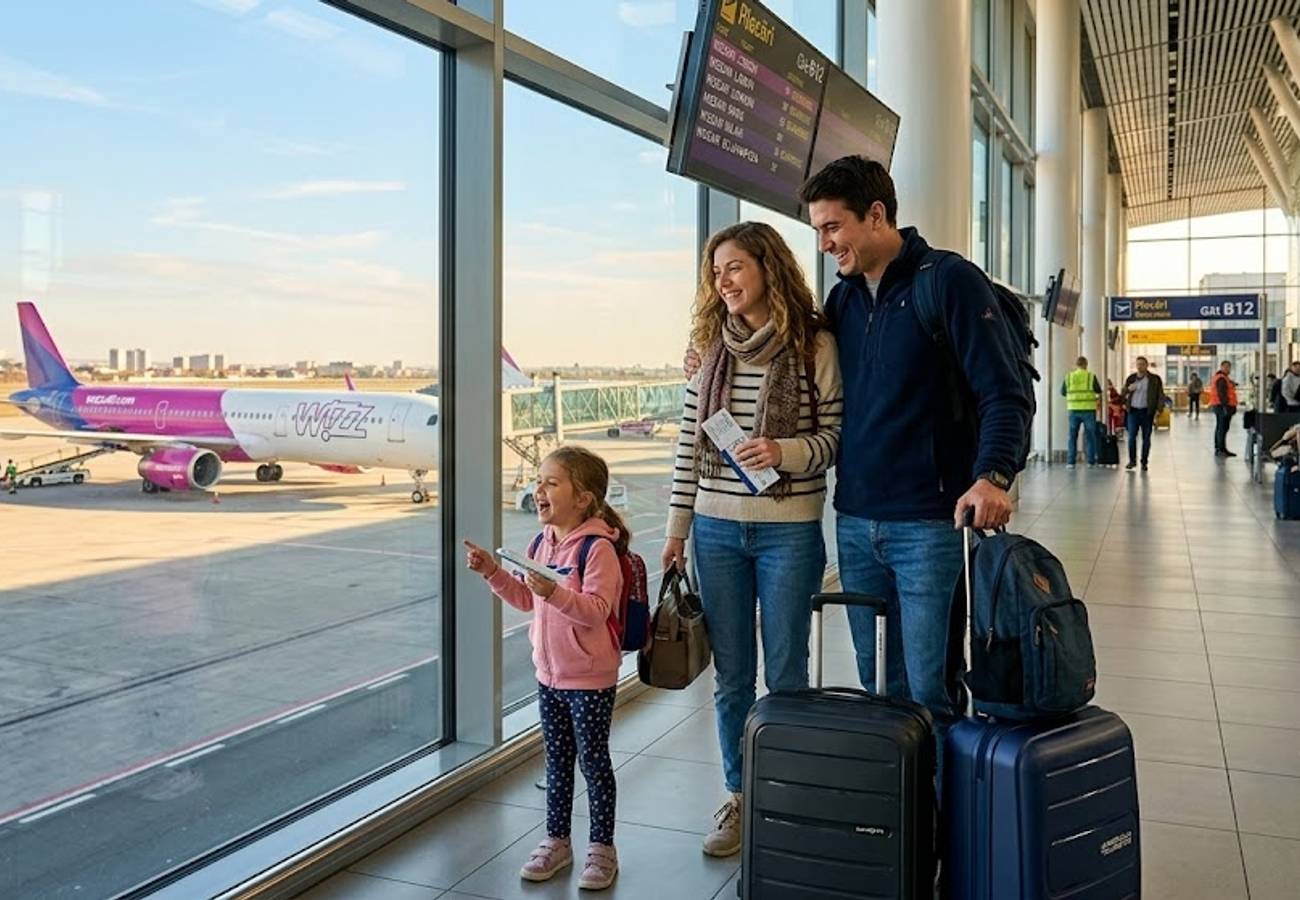
Wizz Air aircraft at a Romanian regional airport

Image generated by AI

Headline Options:

  1. Factual/News: Wizz Air Expands Romanian Network to 83 Destinations Across 26 Countries Serving 120 Million Passengers Since 2006
  2. Curiosity-Gap: From One Route to 83: How a Budget Aviation Surge Completely Redefined Romanian Travel in 20 Years
  3. Problem-Solving: Flying Wizz Air from Romania? Everything You Need to Know About Route Networks and Passenger Rights

The scale of Romania's aviation shift is immense: since 2006, over 120 million passengers have utilized Wizz Air, a figure exceeding six times the national population.

The Disruption of Traditional Travel: 20 Years of Expansion

The Romanian aviation market has undergone a total structural transformation. What began in July 2006 with a single route connecting Târgu Mureș to Budapest has evolved into a massive low-cost network that has shifted air travel from a luxury service to a daily utility.

Our analysis of the operational data shows that this growth is not merely numerical but cultural, removing financial barriers for students, workers, and families. The dominance of the low-cost carrier (LCC) model is evident, with nearly one in two Romanian air passengers now opting for Wizz Air.

Flight and Airport Impact Breakdown

The current network architecture demonstrates a move away from centralized hubs toward a distributed regional model.

  • Total Destinations: 83 cities across 26 different countries.
  • Route Volume: Over 235 active routes.
  • Airport Reach: 14 Romanian airports integrated into the network.
  • Primary Hubs: Bucharest and Cluj-Napoca.
  • Regional Gateways: Târgu Mureș, Sibiu, Iași, and Suceava.
  • Workforce Impact: Over 1,900 aviation-specific roles (pilots, cabin crew, and ground staff) created to support these operations.

Passenger Rights & Advisory: Navigating Budget Aviation

For the affected passenger flying within this expanded network, the reliance on LCCs introduces specific legal frameworks regarding disruptions and compensation. Because Wizz Air operates within the European Union, all flights departing from Romanian airports are governed by Regulation (EC) No 261/2004.

Our analysis of the policy suggests the following actionable steps for passengers:

  • Flight Cancellations and Delays: If your flight is cancelled or delayed by more than three hours for reasons within the airline's control (e.g., technical faults, staffing), you are entitled to financial compensation. Depending on the flight distance, this can range from €250 to €600 per person.
  • Right to Care: For delays exceeding two hours, passengers are entitled to "care," which includes food, refreshments, and two phone calls or emails. For overnight delays, the airline must provide hotel accommodation and transport.
  • Rebooking vs. Refund: Passengers have the choice between a full refund of the ticket price or an alternative flight to the destination as soon as possible.
  • Ancillary Fees: Be aware that "budget" fares often exclude baggage and seat selection. Under EU law, these are contractual agreements; however, if a flight is rerouted, the airline must ensure the new ticket maintains the same class of service.

Industry Analyst View

The Romanian case study provides a blueprint for how LCCs can stimulate regional economic growth. By bypassing the traditional "hub-and-spoke" model and investing in secondary airports like Suceava and Sibiu, Wizz Air has decentralized economic opportunity.

The correlation between route expansion and tourism growth is direct. Each new route acts as a catalyst for local hospitality and service sectors, shifting tourism from a seasonal activity to a year-round economic driver. The long-term sustainability of this model will now depend on infrastructure upgrades and the transition to more fuel-efficient aircraft to manage the environmental impact of increased flight frequencies.

The transition from a single route to a 26-country network marks the end of Romania's isolation from the European budget travel ecosystem.

Related Travel Guides

Disclaimer

This article is for informational and educational purposes only. It does not constitute legal, financial, or professional advice. While we strive to provide accurate and up-to-date information, travel policies, regulations, and conditions change rapidly. Always verify information with official sources before making travel decisions. Nomad Lawyer makes no representations about the accuracy, reliability, completeness, or suitability of the information provided. Readers should consult qualified professionals for advice specific to their circumstances. The views expressed in this article are those of the author and do not necessarily reflect the views of Nomad Lawyer.

Tags:Wizz AirRomania aviationtravel 2026low-cost carriers
Kunal K Choudhary

Kunal K Choudhary

Co-Founder & Contributor

A passionate traveller and tech enthusiast. Kunal contributes to the vision and growth of Nomad Lawyer, bringing fresh perspectives and driving the community forward.

Follow:
Learn more about our team →