
Why Travelling by Train Is Easier in Switzerland (and How to Do It Like a Pro)
Discover why Switzerland's train system is the world's best for tourists. From scenic Alpine routes to stress-free navigation, learn how to travel like a local with Swiss trains—perfect for first-time visitors and Indian travellers.

Travelling by train in Switzerland isn't just transport—it's an integral part of the Swiss experience. For first-time visitors, especially Indian travellers, the Swiss rail system feels unbelievably smooth, scenic, and stress-free. From snow-capped Alps to storybook villages, trains take you everywhere with clockwork precision.
Having experienced this remarkable system firsthand, I can confidently say that Switzerland's trains aren't just efficient—they transform every journey into a memorable adventure where the destination is just as exciting as the ride itself.
Why Train Travel Is So Easy in Switzerland
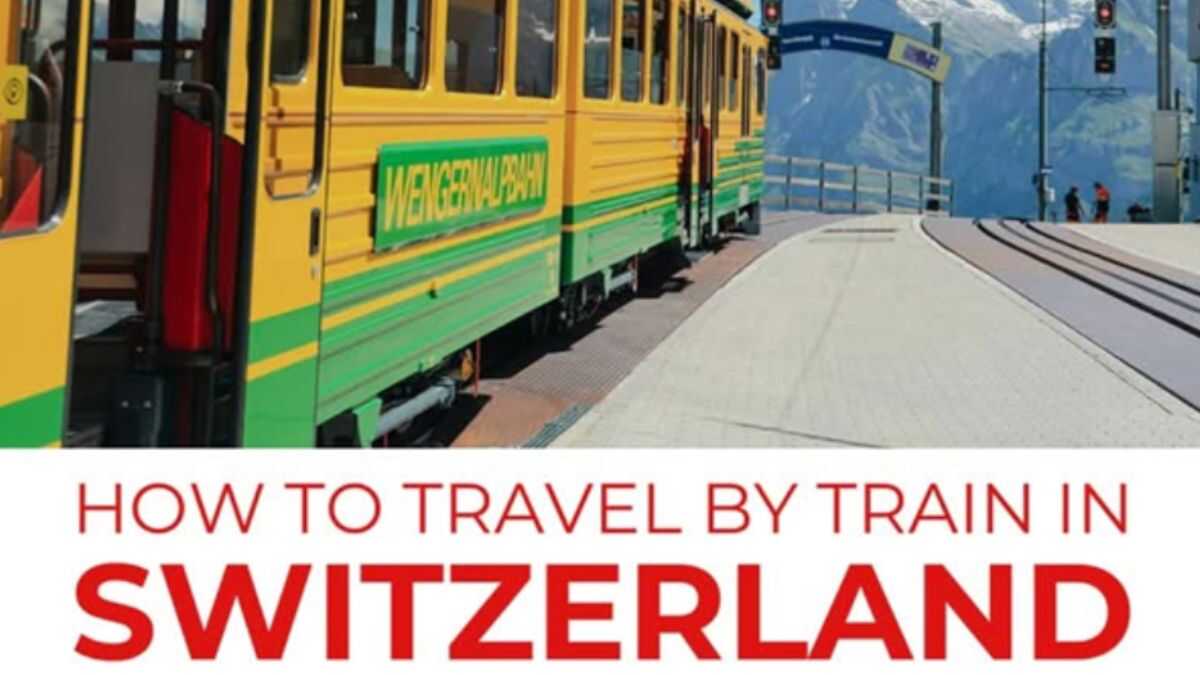
1. World-Class Rail Infrastructure
Switzerland boasts one of the densest and most reliable rail networks globally. Even remote mountain villages connect seamlessly to major cities. Operated primarily by Swiss Federal Railways (SBB), trains run with near-perfect punctuality—delays are rare and usually measured in minutes, not hours.
The infrastructure investment shows everywhere: modern trains, spotless stations, and maintenance standards that put most countries to shame. This isn't luck—it's Swiss precision applied to public transportation.
2. One Ticket, Multiple Transport Modes
The integrated ticketing system is genuinely revolutionary. With a single pass, you can travel on:
- Intercity & regional trains connecting all major destinations
- Trams and buses within cities and towns
- Boats on Switzerland's pristine lakes
- Mountain railways (many included or heavily discounted)
- Cable cars to Alpine peaks (often discounted)
This integration removes the constant hassle of buying tickets, carrying local currency, or negotiating fares—something Indian travellers particularly appreciate after dealing with fragmented transport systems elsewhere.
3. Scenic Routes Turn Travel into Sightseeing
Unlike most countries where trains are merely functional, Swiss railway journeys are attractions themselves. Panoramic windows, slow climbs through mountain passes, and postcard-perfect views at every turn make even "regular" routes spectacular.
The Swiss intentionally design routes to maximize scenic value, often choosing longer, more beautiful paths over purely efficient ones. This philosophy transforms mundane travel time into premium sightseeing.
4. Tourist-Friendly & English-Friendly
Navigation is remarkably simple:
- Clear signage in English at all major stations
- Digital timetables & apps showing real-time information
- Easy ticket validation without confusion
- Helpful station staff who speak multiple languages
- Intuitive platform numbering that makes sense
Even solo travellers with limited European experience find Swiss trains effortless. The system feels designed for tourists, not just locals.
How to Travel by Train in Switzerland Like a Pro
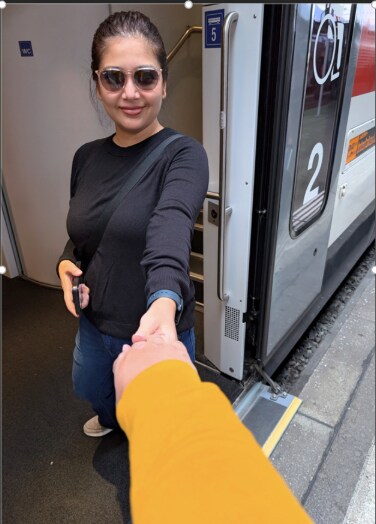
Step 1: Choose the Right Travel Pass
Most Popular Options:
Swiss Travel Pass Best for tourists seeking unlimited freedom. Provides unlimited travel on most trains, buses, boats, plus free entry to 500+ museums. Available in 3, 4, 6, 8, or 15 consecutive days.
Half Fare Card Ideal for longer stays or selective travel; gives 50% discount on nearly all transport options. Valid for one month.
Point-to-Point Tickets Good for very limited travel, but generally less economical for tourists visiting multiple destinations.
Tip for Indian Travellers: The Swiss Travel Pass offers maximum value and zero stress. Buy it before arriving to save time and hassle.
Step 2: Master Swiss Rail Apps & Websites
Essential Tools:
- SBB Mobile App (highly recommended)
- Official SBB website (sbb.ch/en)
These platforms let you:
- Check live schedules with real-time updates
- See exact platform numbers before arrival
- Track any delays or cancellations
- Plan complex multi-leg journeys effortlessly
- Save favorite routes
- Receive notifications about changes
The apps work flawlessly even in remote mountain areas—Swiss mobile coverage is excellent.
Step 3: Boarding Is Remarkably Simple
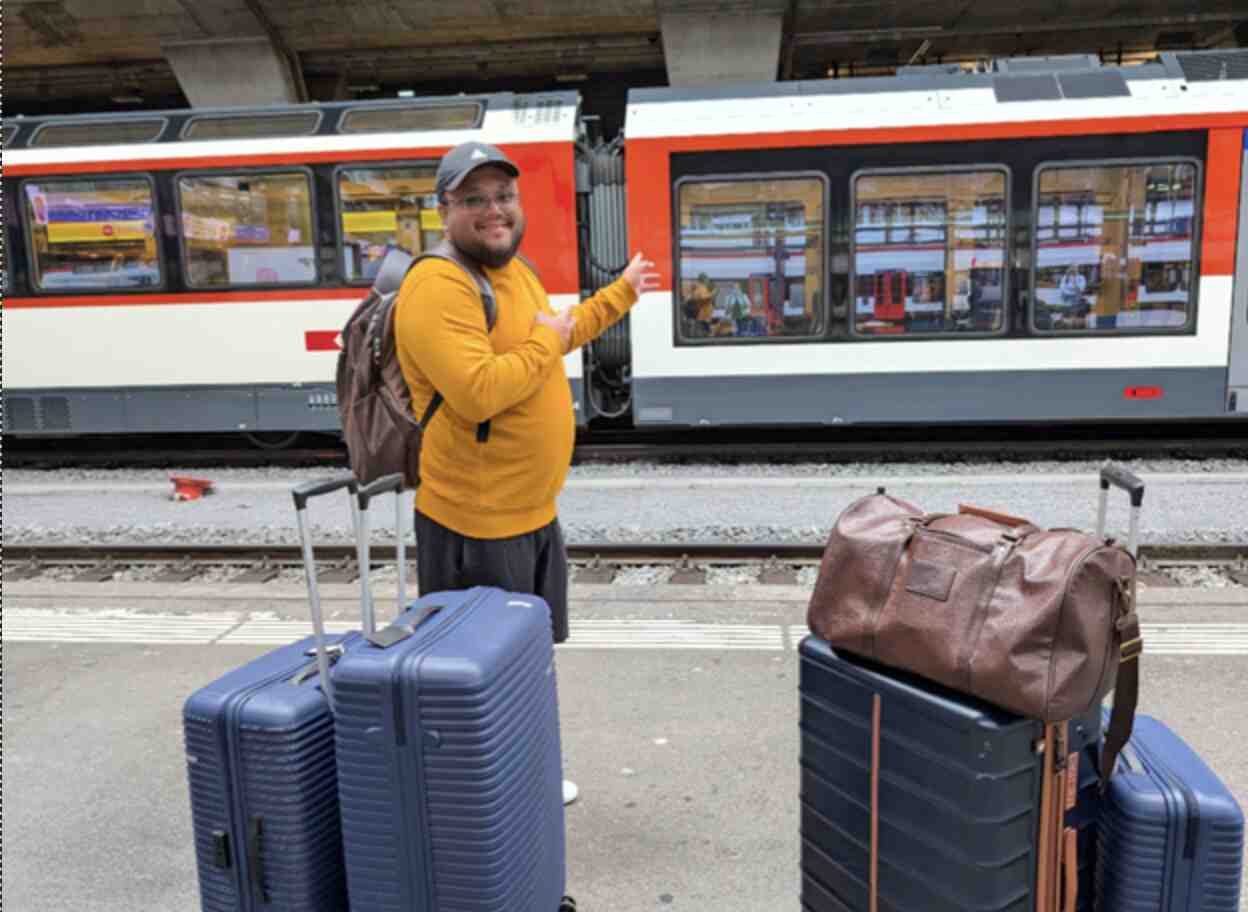
What to Expect:
- No airport-style security checks
- Arrive at platform 5–10 minutes early (stations are compact)
- Board with luggage easily through wide doors
- Sit anywhere unless seat reservation is mandatory
- Conductors check tickets onboard (have pass/ticket ready)
Important Note: Most trains don't require reservations. Scenic panoramic trains (Glacier Express, Bernina Express) do require advance booking, especially in summer.
Step 4: Luggage & Onboard Comfort
Swiss trains prioritize passenger comfort:
- Large luggage racks at carriage entrances
- Clean restrooms on most intercity trains
- Quiet coaches for peaceful travel
- Family zones with play areas on some routes
- Power outlets at many seats
- Free WiFi on major routes
- Dining cars on longer journeys
The cleanliness and maintenance standards feel premium even in second-class, which is more than adequate for most travellers.
Must-Experience Train Routes in Switzerland
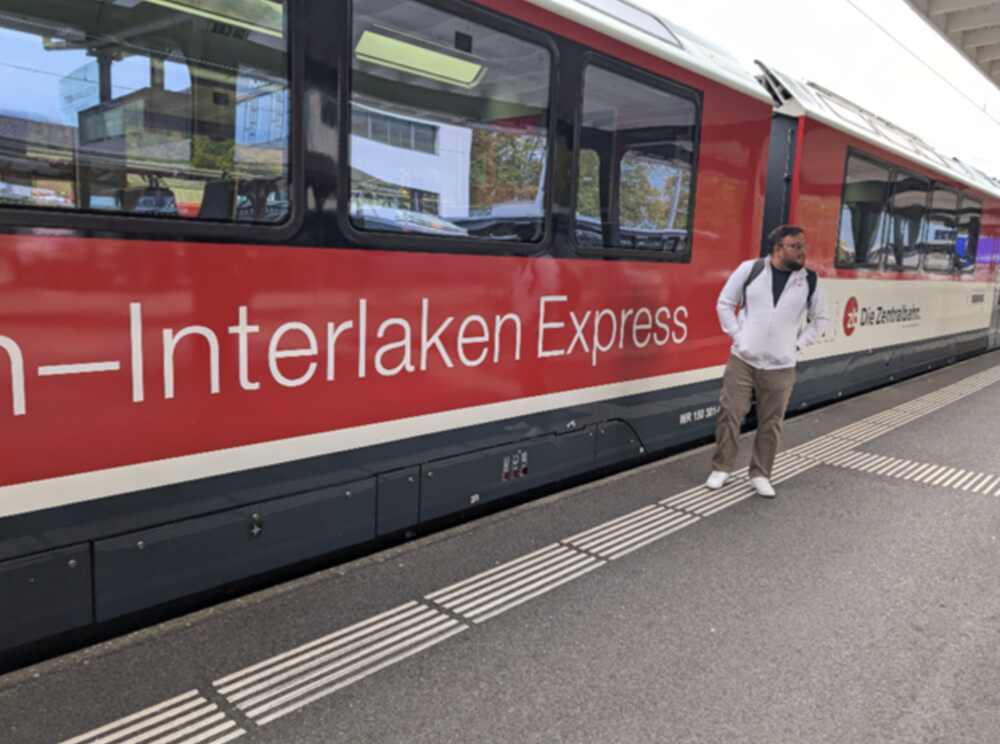
Zurich → Lucerne
Duration: ~50 minutes Why Take It: Perfect introduction to Swiss rail travel—lakes, rolling hills, and classic Central Swiss landscapes. Frequent departures make it flexible for day trips.
Lucerne → Interlaken
Duration: ~2 hours Why Take It: One of the most scenic "regular" routes—sparkling lakes, cascading waterfalls, and charming alpine villages. No reservation needed, making it ideal for spontaneous travel.
Glacier Express (The Slowest Express Train)
Route: Zermatt → St. Moritz Duration: ~8 hours Why Take It: Switzerland's most famous train journey crosses 291 bridges and passes through 91 tunnels. The panoramic windows provide unobstructed Alpine views. Seat reservation required; book weeks in advance during peak season.
Bernina Express
Route: Chur → Tirano (Italy) Why Take It: UNESCO World Heritage route crossing dramatic mountain passes, glaciers, and entering palm-lined Italian valleys. The contrast is breathtaking. Reservation required for panoramic cars.
Zurich → Geneva
Duration: ~2 hours 45 minutes Why Take It: Fast, smooth intercity route connecting German-speaking and French-speaking Switzerland. Comfortable for working or relaxing while covering significant distance.
GoldenPass Line
Route: Montreux → Interlaken → Lucerne Why Take It: Connects Lake Geneva to Central Switzerland through three panoramic train segments. Each section offers distinct landscapes—vineyards, mountains, and lakes.
Why Swiss Trains Are Perfect for Indian Travellers
Based on my experience and conversations with fellow Indian tourists:
✅ No language barrier - English works everywhere ✅ No bargaining or confusion - Fixed prices, clear rules ✅ Clean, safe, and disciplined - Feels premium by any standard ✅ Predictable schedules - Rare luxury in international travel! ✅ Easy with family, elders, or kids - Accessibility is prioritized ✅ Vegetarian options - Dining cars and station restaurants accommodate dietary needs ✅ Value for money - Despite high costs, the experience justifies the price
The system feels premium even when travelling economy class. For Indians accustomed to chaotic booking systems and uncertain schedules, Swiss efficiency is genuinely refreshing.
Practical Tips from Personal Experience
Timing Your Journey
- Golden hour travel (early morning/late afternoon) offers the best light for photography
- Midweek travel is less crowded than weekends in summer
- Window seats on the right side often provide better mountain views (route-dependent)
Money-Saving Strategies
- Swiss Travel Pass pays for itself after 3-4 intercity journeys
- Picnic supplies from supermarkets (Coop, Migros) cost fraction of train dining car prices
- Half Fare Card makes sense for stays exceeding 10 days
- Off-peak season (April-May, September-October) offers similar beauty with lower pass prices
What to Bring
- Power bank for devices (though charging ports are common)
- Light jacket even in summer—mountain temperatures drop quickly
- Reusable water bottle (Swiss tap water is drinkable everywhere)
- Camera with full battery - you'll take more photos than expected
Final Thoughts: Switzerland Is Best Seen by Train
If there's one country in the world designed for train travel, it's Switzerland. While Swiss roads are beautiful, trains give you distinct advantages:
✅ Stress-free navigation without driving in unfamiliar terrain ✅ Jaw-dropping views from panoramic windows ✅ Time efficiency with frequent connections ✅ Authentic Swiss experience alongside locals ✅ Environmental responsibility (trains are eco-friendly)
Whether it's your first Europe trip or a repeat visit, travelling by train in Switzerland will spoil you for life. The combination of efficiency, beauty, and ease creates travel experiences you'll measure all future journeys against.
Start planning your Swiss rail adventure today—your most memorable vacation awaits on the tracks winding through the Alps.
Related Resources
These 09 Washington Towns Are Perfect for Families in 2026 Planning family travel? Discover family-friendly destinations for your next adventure.
Bandarban Adventure: Amiakhum, Nafakhum & Velakhum Waterfalls Trek Guide Love adventure travel? Explore Bangladesh's stunning waterfall trekking routes.
For official Swiss railway information and timetables, visit Swiss Federal Railways (SBB) for comprehensive journey planning tools.
Have you travelled by train in Switzerland? Share your favorite route or tips in the comments below!
#SwitzerlandTravel #SwissRailways #TrainTravel #EuropeTravel #TravelTips #SwissTravelPass #AlpineTourism #ScenicRoutes #IndianTravellers #SwissAlps