
United Airlines Converts Boeing 767 Into Premium-Heavy Aircraft, Slashing Economy Capacity to Just 56 Seats
Breaking airline news and aviation industry updates for 2026.

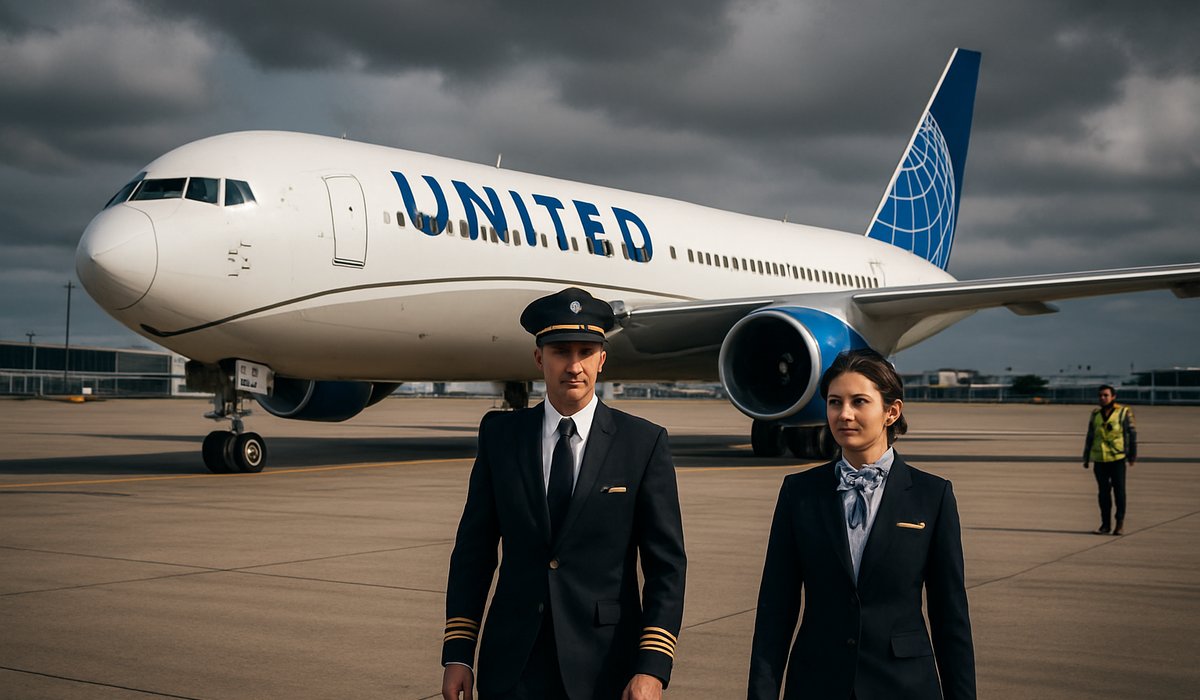
Image generated by AI
United Airlines Converts Boeing 767 Into Premium-Heavy Aircraft, Slashing Economy Capacity to Just 56 Seats
The carrier's radical cabin redesign reflects shifting aviation economics and the lucrative revenue potential of premium travel
A Dramatic Departure From Budget-First Strategy
United Airlines has fundamentally reimagined one of its workhorse widebody aircraft, stripping away the economy-centric model that has dominated commercial aviation for decades. The carrier's specially configured Boeing 767-300ER now carries just 56 standard economy seats—a stunning 67% reduction from typical narrow-body configurations—prioritizing premium cabin revenue over volume-based profitability.
The reconfigured widebody features a strikingly unconventional layout: 46 lie-flat Polaris business class seats command the forward cabin, followed by 22 Premium Plus seats and 43 Economy Plus premium economy positions. This 167-seat total represents a seismic shift in how airlines approach capacity planning, particularly as fuel costs and labor expenses continue climbing across the aviation industry.
The Economics Behind the Redesign
The strategic reallocation reflects a fundamental truth reshaping modern aviation: premium seating generates substantially higher per-seat revenue than economy fares. As jet fuel prices remain volatile and operational costs surge, major carriers increasingly favor high-yield passengers over filling every available seat with budget travelers.
United's approach mirrors broader industry trends. Legacy carriers have systematically reduced economy capacity on long-haul international routes, where premium demand from business travelers and affluent leisure passengers justifies premium-heavy configurations. The Boeing 767-300ER, originally designed in the 1980s for high-density transatlantic service, proves adaptable to contemporary revenue optimization strategies.
Industry Implications and Market Signals
This configuration sends clear signals about aviation's post-pandemic trajectory. Airlines face unprecedented pressure to recover profitability following years of pandemic losses and fuel surcharges. By maximizing premium seat inventory, carriers can offset reduced overall passenger volumes with dramatically higher yields per flight.
The move also highlights how airline fees—ranging from baggage charges to premium seat selections—have become integral to revenue models rather than supplementary. Economy passengers increasingly subsidize discounted fares through ancillary charges, while premium cabin passengers pay comprehensive all-inclusive pricing.
United's 767 redesign exemplifies how legacy fleet modernization no longer means standardizing high-density configurations. Instead, carriers strategically deploy aircraft based on route profitability and passenger demographics, effectively creating boutique-style widebody services on traditional regional or secondary international routes.
What's Next for the Aviation Sector?
Industry analysts expect additional carriers to adopt similar premium-heavy configurations, particularly on underperforming routes where traditional high-capacity models generate insufficient revenue. This trend could fundamentally reshape how airlines calculate aircraft utilization and route economics moving forward.
Frequently Asked Questions
Why would airlines reduce economy seats instead of maximizing passenger volume? Premium seating generates 3-5 times higher revenue per seat than economy. With volatile fuel prices and rising labor costs, fewer high-paying passengers often generate more total profit than maximum-capacity configurations.
How do airline baggage fees relate to premium-heavy cabin designs? Economy passengers offset discounted fares through baggage charges and seat selection fees, effectively subsidizing premium cabins. Premium passengers typically enjoy baggage inclusion, creating a tiered revenue ecosystem.
Which routes are most likely to see premium-heavy aircraft deployments? Transatlantic and transpacific routes serving business-heavy markets (London, Frankfurt, Tokyo) are primary candidates, alongside premium leisure routes (Caribbean, Hawaii) with affluent passenger bases.
How have jet fuel prices influenced airline cabin configurations? Rising aviation fuel costs directly correlate with premium cabin expansion. Airlines view premium revenue as more resilient to fuel surcharges than economy fares, justifying capacity reductions in lower-yield segments.
Are other airlines implementing similar radical cabin reconfigurations? Yes, major carriers including American, Delta, and British Airways have progressively reduced economy capacity on widebody fleets, though United's 767 represents one of the most dramatic reductions in industry practice.
Related Travel Guides
Flight Delay Compensation Guide 2026
Understanding Airline Route Changes
Airport Security Process Updated (2026)
External Resources
Disclaimer
This article is for informational and educational purposes only. It does not constitute legal, financial, or professional advice. While we strive to provide accurate and up-to-date information, travel policies, regulations, and conditions change rapidly. Always verify information with official sources before making travel decisions. Nomad Lawyer makes no representations about the accuracy, reliability, completeness, or suitability of the information provided. Readers should consult qualified professionals for advice specific to their circumstances. The views expressed in this article are those of the author and do not necessarily reflect the views of Nomad Lawyer.
Raushan Kumar
Founder & Lead Developer
Full-stack developer with 11+ years of experience and a passionate traveller. Raushan built Nomad Lawyer from the ground up with a vision to create the best travel and law experience on the web.
Learn more about our team →