
U.S. Air Force Invests $130 Million in Base Infrastructure Overhaul to Support Next-Generation B-21 Raider Stealth Bomber
Breaking airline news and aviation industry updates for 2026.

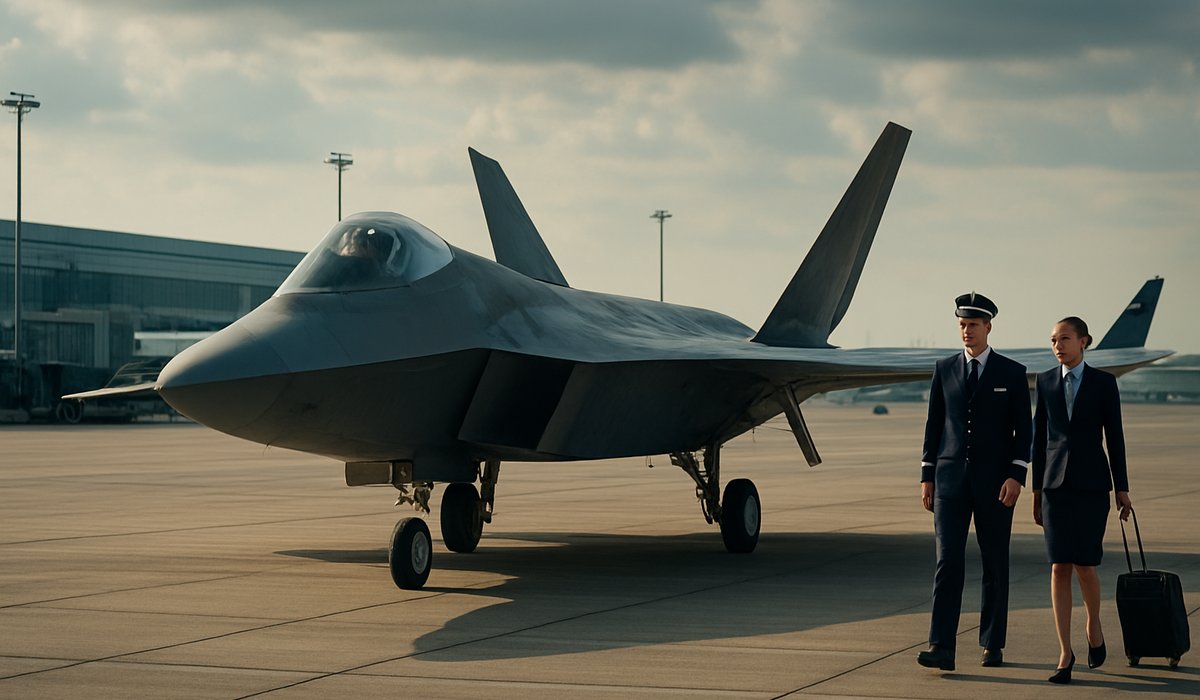
Image generated by AI
U.S. Air Force Invests $130 Million in Base Infrastructure Overhaul to Support Next-Generation B-21 Raider Stealth Bomber
Military modernization accelerates as Pentagon prepares operational deployment of sixth-generation combat aircraft by 2027
Pentagon Accelerates Infrastructure Modernization Amid B-21 Raider Rollout
The United States Air Force has committed substantial capital resources to upgrading critical military installations in preparation for operational deployment of Northrop Grumman's B-21 Raider—a sixth-generation strategic stealth bomber that represents the future of American aerial warfare capabilities. The $130 million infrastructure modernization initiative underscores the Pentagon's determination to integrate advanced combat systems despite escalating defense budgets and competing technological priorities.
The timing of these facility upgrades coincides with accelerated development milestones for the revolutionary aircraft. Following the successful delivery of the program's second prototype, military officials have reaffirmed their commitment to achieving initial operational capability by 2027, marking a critical transition point for U.S. strategic deterrence posture.
Why Existing Facilities Fall Short of Next-Generation Requirements
Modern military aircraft demand unprecedented levels of specialized infrastructure. The B-21 Raider's advanced materials, stealth technologies, and autonomous capabilities necessitate entirely reimagined support systems—from specialized maintenance hangars to advanced diagnostic facilities that can accommodate sensors and systems unavailable in legacy platforms.
Air Force engineers determined that existing infrastructure at select bases could not adequately support the Raider's unique operational and maintenance requirements. The $130 million investment addresses critical gaps in runway specifications, climate-controlled facilities, classified security systems, and maintenance bays specifically engineered for stealth aircraft operations.
Cost Efficiency: A Departure from Previous Bomber Programs
Despite the substantial upfront infrastructure costs, the B-21 program represents demonstrable fiscal discipline compared to its predecessor. When adjusted for inflation, the Raider is projected to cost significantly less than the legacy B-2 Spirit bomber, which entered service during the 1990s. This cost efficiency reflects technological advancement and streamlined acquisition processes refined over three decades.
The B-2 Spirit program, which ultimately deployed 21 operational aircraft, carried a staggering development and production cost exceeding $44 billion in 1997 dollars. By contrast, modern manufacturing techniques and reduced complexity in certain design elements have positioned the B-21 as a more economically sustainable option for long-term strategic force modernization.
Strategic Implications for U.S. Military Readiness
The infrastructure modernization initiative signals broader Pentagon commitment to maintaining technological superiority amid intensifying great-power competition with China and Russia. As adversaries develop advanced air defense systems capable of detecting conventional aircraft, stealth capabilities have become essential for strategic credibility.
Air Force leadership views the 2027 operational deadline as non-negotiable, given geopolitical volatility and emerging threats to U.S. interests globally. The $130 million facility upgrade represents an essential prerequisite for achieving that timeline and ensuring the Raider can be operationally deployed across multiple forward bases.
FAQs: B-21 Raider Program and Military Infrastructure Modernization
What is the B-21 Raider and why does it require special infrastructure? The B-21 Raider is a sixth-generation stealth bomber developed by Northrop Grumman. Its advanced stealth materials, autonomous systems, and classified technologies demand specialized maintenance facilities, climate control, and secure hangar space unavailable at conventional military bases.
When will the B-21 Raider enter operational service? The U.S. Air Force has committed to initial operational capability by 2027, with the program currently on schedule following successful prototype demonstrations.
How does the B-21's cost compare to previous bombers? When adjusted for inflation, the B-21 is significantly more cost-effective than the legacy B-2 Spirit bomber, reflecting three decades of technological advancement and manufacturing efficiency improvements.
Which air bases are receiving the infrastructure upgrades? The Pentagon has not publicly disclosed specific installation locations for the $130 million modernization project due to operational security requirements.
How many B-21 Raiders does the Air Force plan to acquire? The current acquisition plan calls for approximately 100 operational B-21 aircraft, though final procurement numbers remain subject to congressional appropriations and budget constraints.
Related Travel Guides
Flight Delay Compensation Guide 2026
Understanding Airline Route Changes
Airport Security Process Updated (2026)
External Resources
Disclaimer
This article is for informational and educational purposes only. It does not constitute legal, financial, or professional advice. While we strive to provide accurate and up-to-date information, travel policies, regulations, and conditions change rapidly. Always verify information with official sources before making travel decisions. Nomad Lawyer makes no representations about the accuracy, reliability, completeness, or suitability of the information provided. Readers should consult qualified professionals for advice specific to their circumstances. The views expressed in this article are those of the author and do not necessarily reflect the views of Nomad Lawyer.
Kunal K Choudhary
Co-Founder & Contributor
A passionate traveller and tech enthusiast. Kunal contributes to the vision and growth of Nomad Lawyer, bringing fresh perspectives and driving the community forward.
Learn more about our team →