
B-21 Raider Deployment to Whiteman Air Force Base Saves Pentagon $1 Billion in Infrastructure Costs
Breaking airline news and aviation industry updates for 2026.

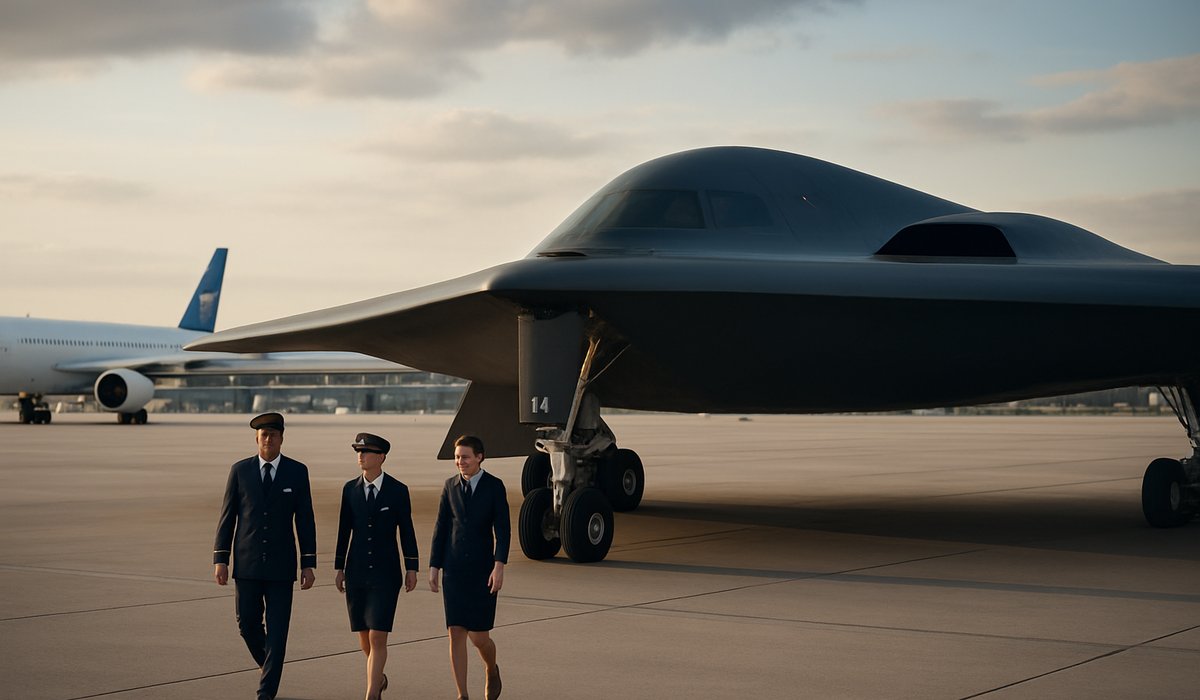
Image generated by AI
B-21 Raider Deployment to Whiteman Air Force Base Saves Pentagon $1 Billion in Infrastructure Costs
Strategic choice of existing stealth-capable base avoids massive construction expenses faced by alternative locations
Pentagon Selects Cost-Efficient Route for Next-Generation Bomber Basing
The U.S. Department of Defense has designated Whiteman Air Force Base in Missouri as the second operational home for Northrop Grumman's B-21 Raider stealth bomber, a decision that delivers significant financial relief to military infrastructure budgets already stretched thin. The selection circumvents the need for billion-dollar facility overhauls that would be mandatory at alternative bases, positioning this move as a textbook example of strategic defense planning.
Unlike proposed locations at Dyess Air Force Base in Texas and Ellsworth Air Force Base in South Dakota—both currently housing fleets of aging Rockwell B-1 Lancer bombers—Whiteman already possesses the sophisticated infrastructure essential for operating advanced stealth aircraft. This existing foundation reduces the modernization burden considerably.
Infrastructure Investment Gap Reveals Hidden Costs of Base Transitions
Dyess and Ellsworth each face estimated renovation expenses exceeding $1.6 billion to accommodate B-21 operations, with construction timelines extending beyond a decade. These substantial projects encompass over 24 major facilities, including specialized hangars, maintenance complexes, and classified operations centers designed to meet the exacting standards of fifth-generation aviation technology.
By contrast, Whiteman's adaptation requirements prove substantially more modest. Military planners anticipate constructing only 16 new facilities to bring the base into full B-21 readiness, reflecting the base's prior development as a stealth-capable installation. The cumulative cost differential underscores how existing infrastructure advantages translate directly into taxpayer savings.
Strategic Implications for Defense Budget Priorities
This decision arrives amid broader Pentagon scrutiny over military construction spending and operational efficiency. The B-21 Raider represents the Air Force's most expensive weapons platform development initiative, with unit costs and overall program expenses already generating congressional debate. Selecting Whiteman mitigates additional financial pressure on already-contested defense budgets.
Military officials have emphasized that Whiteman's existing capabilities eliminate redundant spending while maintaining operational standards. The base's prior investment in stealth-compatible facilities—including specialized maintenance bays and security infrastructure—positions it as the optimal deployment location without compromising aircraft performance or pilot training requirements.
Broader Defense Infrastructure Modernization Challenged
The substantial cost disparity between basing options highlights persistent challenges within the U.S. military's aging infrastructure portfolio. Many Air Force installations require extensive upgrades to support contemporary aircraft systems, creating budgetary pressure that frequently competes with personnel readiness and training investments. Whiteman's comparative advantage reflects decades of forward-thinking facility planning rather than exceptional circumstances.
Defense analysts note that similar infrastructure optimization strategies could unlock significant savings across other military modernization programs, though political considerations regarding base locations frequently override purely financial assessments.
Frequently Asked Questions
Why is Whiteman Air Force Base cheaper for B-21 Raider deployment than other alternatives? Whiteman already possesses existing stealth-capable infrastructure, requiring only 16 new facilities compared to 24+ major projects needed at competing bases, saving approximately $1 billion in construction costs.
How much do Dyess and Ellsworth bases need to spend on B-21 infrastructure? Both bases require approximately $1.6 billion each in renovation expenses, with construction timelines extending over a decade to accommodate advanced stealth bomber operations.
What types of facilities does the B-21 Raider require at military bases? Specialized hangars, maintenance complexes, classified operations centers, and stealth-compatible infrastructure designed to support fifth-generation aircraft operations and security protocols.
Has the Pentagon considered closing older bases instead of upgrading them? While infrastructure costs favor efficient locations like Whiteman, base closure decisions involve complex political, economic, and strategic considerations beyond purely financial calculations.
How does the B-21 Raider program impact overall military construction budgets? The program's substantial development costs and infrastructure requirements create significant pressure on Defense Department facility budgets, making efficient basing decisions critical for overall budget management.
Related Travel Guides
Flight Delay Compensation Guide 2026
Understanding Airline Route Changes
Airport Security Process Updated (2026)
External Resources
Disclaimer
This article is for informational and educational purposes only. It does not constitute legal, financial, or professional advice. While we strive to provide accurate and up-to-date information, travel policies, regulations, and conditions change rapidly. Always verify information with official sources before making travel decisions. Nomad Lawyer makes no representations about the accuracy, reliability, completeness, or suitability of the information provided. Readers should consult qualified professionals for advice specific to their circumstances. The views expressed in this article are those of the author and do not necessarily reflect the views of Nomad Lawyer.
Kunal K Choudhary
Co-Founder & Contributor
A passionate traveller and tech enthusiast. Kunal contributes to the vision and growth of Nomad Lawyer, bringing fresh perspectives and driving the community forward.
Learn more about our team →