
Why The Airbus A350 Achieves Industry-Leading Cabin Quietness—And What It Means For Passenger Comfort
Breaking airline news and aviation industry updates for 2026.

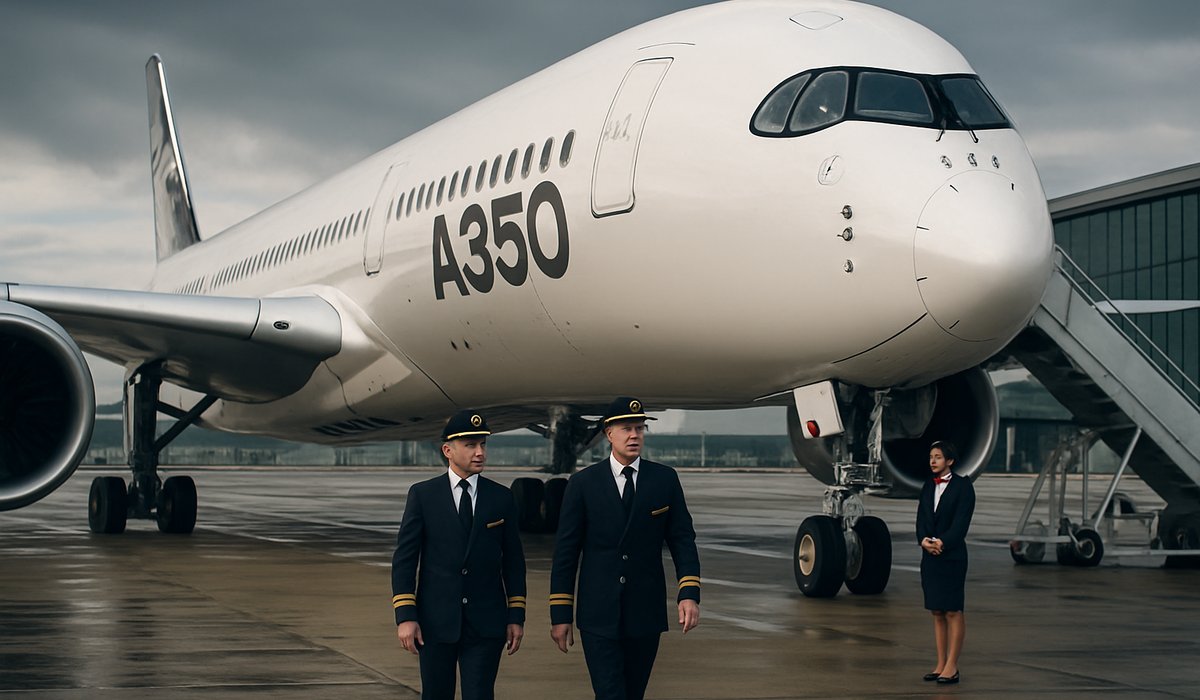
Image generated by AI
Why The Airbus A350 Achieves Industry-Leading Cabin Quietness—And What It Means For Passenger Comfort
Modern aviation engineering has fundamentally transformed the flying experience, with the A350 leading the charge against noise pollution
The Evolution From Deafening Roar To Whisper-Quiet Cabins
Aviation's early jet era left passengers with one unforgettable impression: relentless noise. Those pioneering jet-powered aircraft of the 1950s and 1960s generated ear-splitting, high-pitched engine screams that defined air travel for generations—a sonic signature immortalized in countless vintage films and newsreels. Fast-forward to today's modern airports, and that characteristic jet shriek has virtually vanished from the tarmac.
Contemporary aircraft engines now produce fundamentally different acoustic signatures. Gone are the piercing wails that once accompanied idle taxiing and takeoff sequences. Instead, travellers experience a muted, low-frequency rumble that barely penetrates the cabin environment. This dramatic acoustic transformation represents one of aviation's most significant engineering achievements—one in which the Airbus A350 stands as a pinnacle achievement.
Engineering Excellence Behind A350 Noise Reduction
The A350 has established itself as the quietest wide-body aircraft currently in commercial service, a distinction rooted in sophisticated aeronautical engineering. The aircraft incorporates advanced engine designs, optimized airframe structures, and innovative sound-dampening materials throughout its fuselage. These combined features create a cabin environment substantially quieter than competing platforms, directly enhancing passenger comfort during multi-hour flights.
Airbus's design philosophy prioritised noise reduction at every structural level—from engine nacelle design to cabin wall insulation specifications. The A350's engines themselves represent a generational leap forward in quiet propulsion technology, featuring larger bypass ratios that inherently produce lower noise frequencies compared to earlier jet powerplants.
Industry-Wide Implications For Modern Aviation Standards
The A350's acoustic performance has effectively reset industry expectations. Airlines increasingly recognise that cabin noise significantly impacts passenger satisfaction, airline loyalty, and premium cabin pricing justification. As environmental regulations tighten globally and airport communities demand stricter noise compliance, aircraft quietness has evolved from a luxury amenity to an operational necessity.
This technological advancement demonstrates how modern aviation balances performance, efficiency, and passenger experience. The shift from deafening to near-silent cabin environments exemplifies engineering progress that extends beyond mere comfort—it represents sustainable aviation practices that benefit both travellers and communities surrounding major airports worldwide.
Frequently Asked Questions
What makes the Airbus A350 quieter than other modern aircraft? The A350 integrates advanced engine technology with specially designed acoustic insulation, larger engine bypass ratios, and optimized airframe structures that collectively minimize noise transmission into the cabin.
How does cabin noise affect airline passenger satisfaction? Research consistently shows that reduced cabin noise directly correlates with improved passenger comfort, better sleep quality on long-haul flights, and increased likelihood of repeat bookings and premium cabin purchases.
Are newer aircraft engines inherently quieter than older designs? Yes—modern turbofan engines feature higher bypass ratios and advanced noise-reduction technologies that fundamentally produce lower frequencies than legacy jet engines from the 1960s-1980s era.
What regulatory standards govern aircraft noise levels? International Civil Aviation Organization (ICAO) standards establish maximum noise limits, while individual nations and airport authorities often impose stricter regional requirements affecting aircraft certification and operating permissions.
Will future aircraft be even quieter than the A350? Development of hybrid-electric and fully electric aircraft promises substantially lower noise profiles, though these technologies remain in advanced testing phases for commercial aviation applications.
Related Travel Guides
Flight Delay Compensation Guide 2026
Understanding Airline Route Changes
Airport Security Process Updated (2026)
External Resources
Disclaimer
This article is for informational and educational purposes only. It does not constitute legal, financial, or professional advice. While we strive to provide accurate and up-to-date information, travel policies, regulations, and conditions change rapidly. Always verify information with official sources before making travel decisions. Nomad Lawyer makes no representations about the accuracy, reliability, completeness, or suitability of the information provided. Readers should consult qualified professionals for advice specific to their circumstances. The views expressed in this article are those of the author and do not necessarily reflect the views of Nomad Lawyer.
Kunal K Choudhary
Co-Founder & Contributor
A passionate traveller and tech enthusiast. Kunal contributes to the vision and growth of Nomad Lawyer, bringing fresh perspectives and driving the community forward.
Learn more about our team →