
Riyadh Air's New Boeing 787 Fleet Bypasses Starlink for Viasat Satellite Connectivity
Breaking airline news and aviation industry updates for 2026.

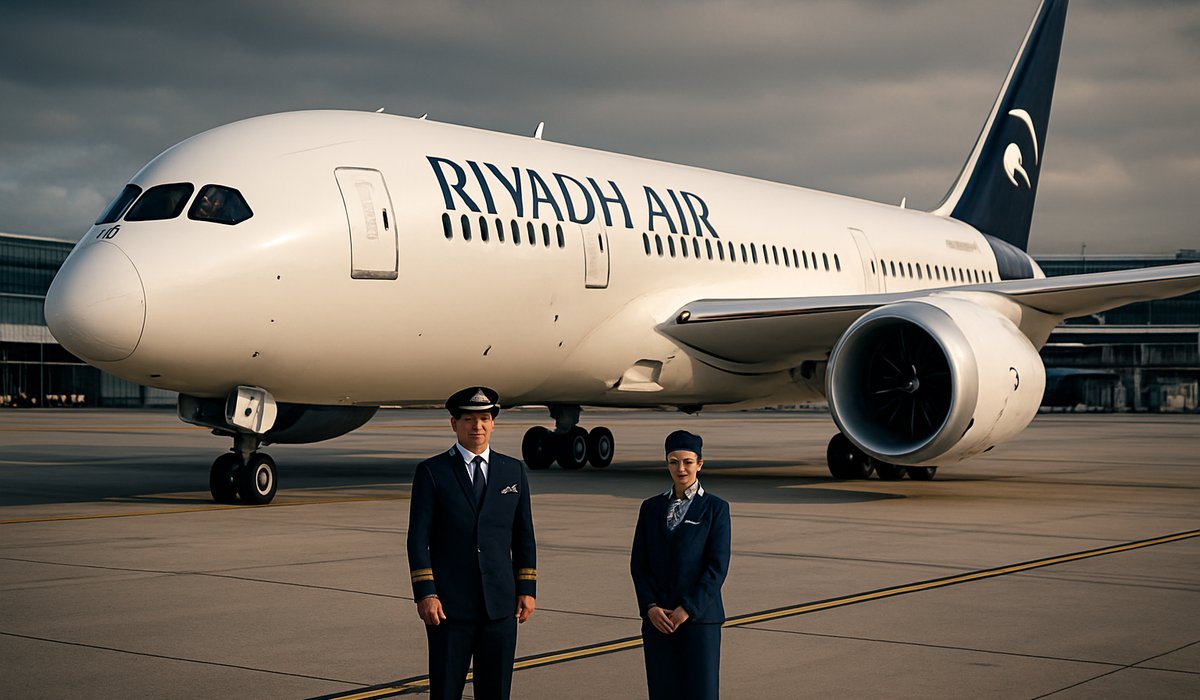
Image generated by AI
Riyadh Air's New Boeing 787 Fleet Bypasses Starlink for Viasat Satellite Connectivity
Saudi Arabia's ambitious new carrier makes unconventional in-flight WiFi choice as it launches long-haul operations
New Airline Debuts with Alternative Connectivity Strategy
Riyadh Air marked its highly anticipated entrance into global aviation on June 10, 2026, with the inaugural scheduled Boeing 787-9 Dreamliner flight connecting its Riyadh hub to London Heathrow. The Saudi carrier's launch represents one of the most significant airline debuts in recent memory, underpinned by the kingdom's aggressive Vision 2030 expansion strategy. However, industry observers have noted an unexpected technical decision: the carrier's modern widebody fleet will rely on Viasat satellite connectivity rather than Starlink—a choice that underscores evolving preferences within premium aviation segments.
Infrastructure Considerations Drive WiFi Selection
The decision to partner with Viasat rather than Elon Musk's Starlink constellation reflects complex calculations around network reliability, coverage consistency, and integration compatibility with the Boeing 787's avionics systems. While Starlink has gained prominence as an in-flight connectivity solution with several major carriers, established satellite operators like Viasat continue to command loyalty among airlines prioritizing proven performance on intercontinental routes.
Riyadh Air's fleet specification demonstrates the carrier's commitment to competing at the premium end of the market, where connectivity performance directly influences passenger satisfaction and competitive positioning. The 787-9 Dreamliner's advanced cabin systems and fuel efficiency align with the airline's ambitions to establish itself as a challenger carrier on long-haul routes traditionally dominated by Gulf carriers Emirates and Qatar Airways.
Broader Implications for Aviation Connectivity
The carrier's infrastructure choices carry implications for the evolving in-flight connectivity landscape. As airlines worldwide grapple with passenger expectations for seamless digital experiences, competing satellite operators continue vying for fleet partnerships. Viasat's selection by Riyadh Air suggests that established reliability and integration capabilities remain decisive factors, particularly for newer carriers establishing brand identity.
The decision also reflects geopolitical and commercial considerations surrounding satellite connectivity providers. While Starlink has rapidly expanded its aviation partnerships, traditional operators maintain competitive advantages in regions where regulatory frameworks, existing infrastructure relationships, and proven performance records influence procurement decisions.
Riyadh Air's launch represents a pivotal moment for Gulf aviation expansion, with the carrier planning significant route network growth throughout 2026 and 2027. As the fleet expands beyond its initial 787-9 deliveries, the airline's technological infrastructure choices will likely influence broader industry standards for premium long-haul service.
FAQ: In-Flight WiFi and Aviation Connectivity
Why did Riyadh Air choose Viasat over Starlink for its Boeing 787 fleet? The carrier prioritized Viasat's established reliability, integration compatibility with 787 avionics systems, and proven performance on long-haul international routes over Starlink's newer but rapidly expanding service.
How does Starlink connectivity compare to Viasat for airlines? Starlink offers newer technology with rapid deployment advantages, while Viasat provides established infrastructure with deeper integration into existing aviation systems. Airlines select based on route networks, reliability requirements, and passenger experience priorities.
Will other new airlines adopt alternative satellite providers? Competition between connectivity providers will intensify as airlines increasingly view WiFi quality as a competitive differentiator. Emerging carriers often evaluate both incumbents and newer alternatives based on specific operational requirements.
Does in-flight connectivity affect ticket pricing and airline competitiveness? Premium connectivity increasingly influences passenger choice, particularly on long-haul routes. Airlines investing in superior WiFi often market this as a service enhancement that can support premium pricing strategies.
What role does regulatory approval play in selecting in-flight connectivity providers? Regulatory frameworks vary by region and jurisdiction, influencing which satellite operators can service flights. Carriers must ensure selected providers maintain appropriate certifications across all operating markets.
Related Travel Guides
-
Newark Airspace Breach: United 737 Narrowly Avoids Drone Collision
-
Lufthansa Boeing Airbus Widebody Order: 20 Aircraft Expansion Through 2034
External Resources
Disclaimer
This article is for informational and educational purposes only. It does not constitute legal, financial, or professional advice. While we strive to provide accurate and up-to-date information, travel policies, regulations, and conditions change rapidly. Always verify information with official sources before making travel decisions. Nomad Lawyer makes no representations about the accuracy, reliability, completeness, or suitability of the information provided. Readers should consult qualified professionals for advice specific to their circumstances. The views expressed in this article are those of the author and do not necessarily reflect the views of Nomad Lawyer.
Preeti Gunjan
Contributor & Community Manager
A passionate traveller and community builder. Preeti helps grow the Nomad Lawyer community, fostering engagement and bringing the reader experience to life.
Learn more about our team →