
Major Cargo Carrier Atlas Air Abandons Boeing Strategy, Pivots to Airbus in Landmark Fleet Overhaul
Breaking airline news and aviation industry updates for 2026.

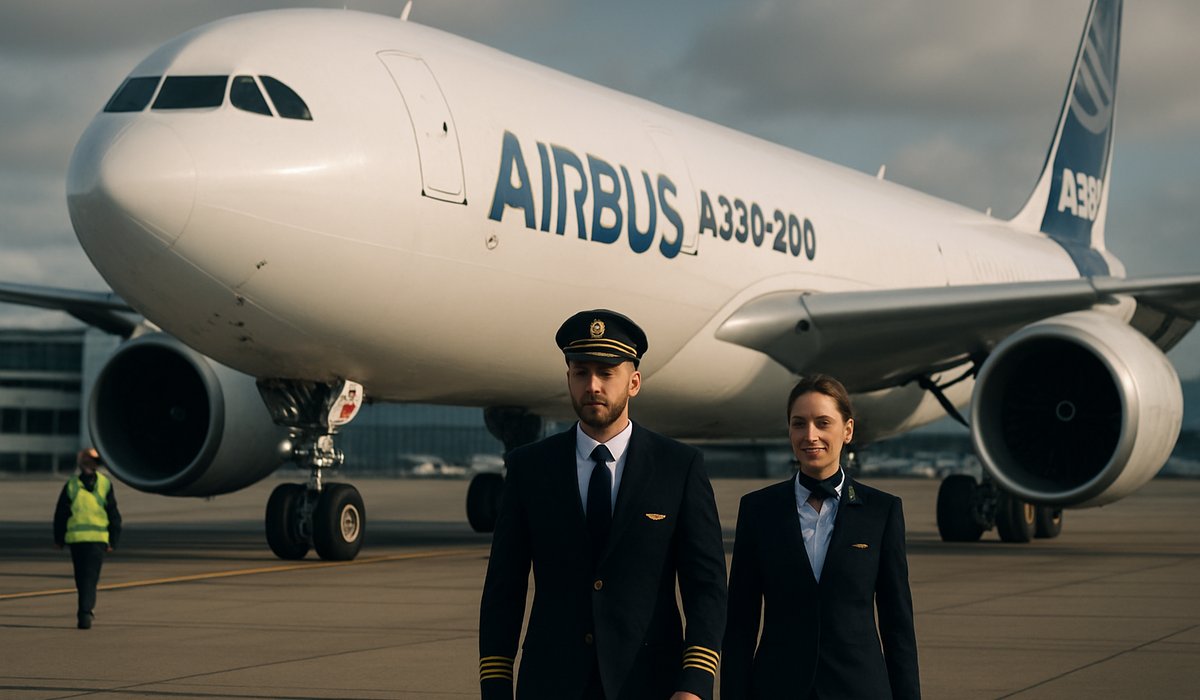
Image generated by AI
Major Cargo Carrier Atlas Air Abandons Boeing Strategy, Pivots to Airbus in Landmark Fleet Overhaul
Supply chain delays force world's largest freighter operator to diversify aircraft portfolio with historic $10 billion Airbus order
Boeing's Production Delays Trigger Historic Shift in Aviation's Cargo Sector
Atlas Air Worldwide, the globe's leading independent cargo airline operator, has made a seismic strategic decision: ending its decades-long exclusive reliance on Boeing aircraft. The carrier has committed to a firm order for 20 Airbus A350F freighters—with an additional 20 options—marking a fundamental departure from its all-Boeing procurement strategy and signaling deepening concerns about manufacturing timelines across the aviation industry.
The catalyst for this dramatic pivot centers on Boeing's protracted delays in delivering its next-generation 777-8F freighter, now projected to enter service around 2028—a timeline that fundamentally conflicts with Atlas Air's fleet modernization roadmap. The extended deferral has forced the cargo specialist to seek alternative suppliers to maintain operational capacity and meet growing global demand for air freight services.
Fleet Modernization and Capacity Demands Drive Strategic Realignment
Atlas Air's decision reflects urgent operational imperatives. The carrier operates one of the world's most extensive fleets of aging Boeing 747 freighters, many approaching the end of their economically viable service life. Delaying fleet renewal could expose the company to escalating maintenance costs, reduced operational reliability, and competitive disadvantage in a rapidly consolidating cargo market where fuel efficiency directly impacts profitability.
Under the new Airbus agreement, A350F deliveries are scheduled to commence in 2029, extending through 2034, providing Atlas Air with a structured replacement pipeline that aligns with depreciation cycles and operational planning horizons. The A350F offers superior fuel efficiency compared to legacy wide-body freighters, directly addressing rising jet fuel costs that have pressured airline margins globally since the Ukraine conflict disrupted energy markets in 2022.
Industry Implications and Competitive Ramifications
This transaction carries broader significance for Boeing's commercial cargo division, traditionally a lucrative revenue stream. The defection underscores how supply chain disruptions and manufacturing delays cascade through the aerospace industry, forcing major carriers to diversify supplier relationships—a trend that strengthens Airbus's market position in the competitive freighter segment.
For Atlas Air's stakeholders, the pivot represents a $10 billion infrastructure commitment spanning 15 years, positioning the carrier to capitalize on surging e-commerce logistics demand and international trade recovery. The modernized fleet will substantially reduce operational expenses tied to older aircraft maintenance while enhancing scheduling flexibility and customer service capabilities.
Boeing's delayed 777-8F program now faces intensified pressure to accelerate timelines and demonstrate manufacturing competitiveness, lest additional cargo operators follow Atlas Air's strategic reorientation toward Airbus platforms.
Frequently Asked Questions
Why are airline baggage charges and cargo fees increasing? Rising jet fuel prices, supply chain inflation, and aircraft maintenance costs have compelled carriers to implement surcharges across passenger and freight operations to preserve margins.
How do Boeing delivery delays affect travel costs? Extended aircraft production timelines force carriers to extend operations of older, less efficient fleet assets, increasing per-unit operating costs that ultimately translate to higher ticket prices and cargo fees.
What is the A350F freighter's competitive advantage? The A350F delivers 20-30% superior fuel efficiency compared to legacy 747 freighters, directly reducing operating expenses during periods of elevated jet fuel prices.
How do aircraft supply constraints impact the aviation industry? Manufacturing bottlenecks limit fleet expansion capacity, restrict airlines' ability to meet demand surges, and artificially support pricing power—ultimately disadvantaging consumers through elevated travel and freight costs.
Will other cargo operators follow Atlas Air's Boeing-to-Airbus transition? Industry observers anticipate additional freighter operators may reassess Boeing procurement strategies if 777-8F delays persist, potentially reshaping competitive dynamics within the cargo aviation sector.
Related Travel Guides
Flight Delay Compensation Guide 2026
Understanding Airline Route Changes
Airport Security Process Updated (2026)
External Resources
Disclaimer
This article is for informational and educational purposes only. It does not constitute legal, financial, or professional advice. While we strive to provide accurate and up-to-date information, travel policies, regulations, and conditions change rapidly. Always verify information with official sources before making travel decisions. Nomad Lawyer makes no representations about the accuracy, reliability, completeness, or suitability of the information provided. Readers should consult qualified professionals for advice specific to their circumstances. The views expressed in this article are those of the author and do not necessarily reflect the views of Nomad Lawyer.
Preeti Gunjan
Contributor & Community Manager
A passionate traveller and community builder. Preeti helps grow the Nomad Lawyer community, fostering engagement and bringing the reader experience to life.
Learn more about our team →