
Lufthansa's Airbus A340-600: The Long-Haul Paradox That's Costing the Airline Millions
Breaking airline news and aviation industry updates for 2026.

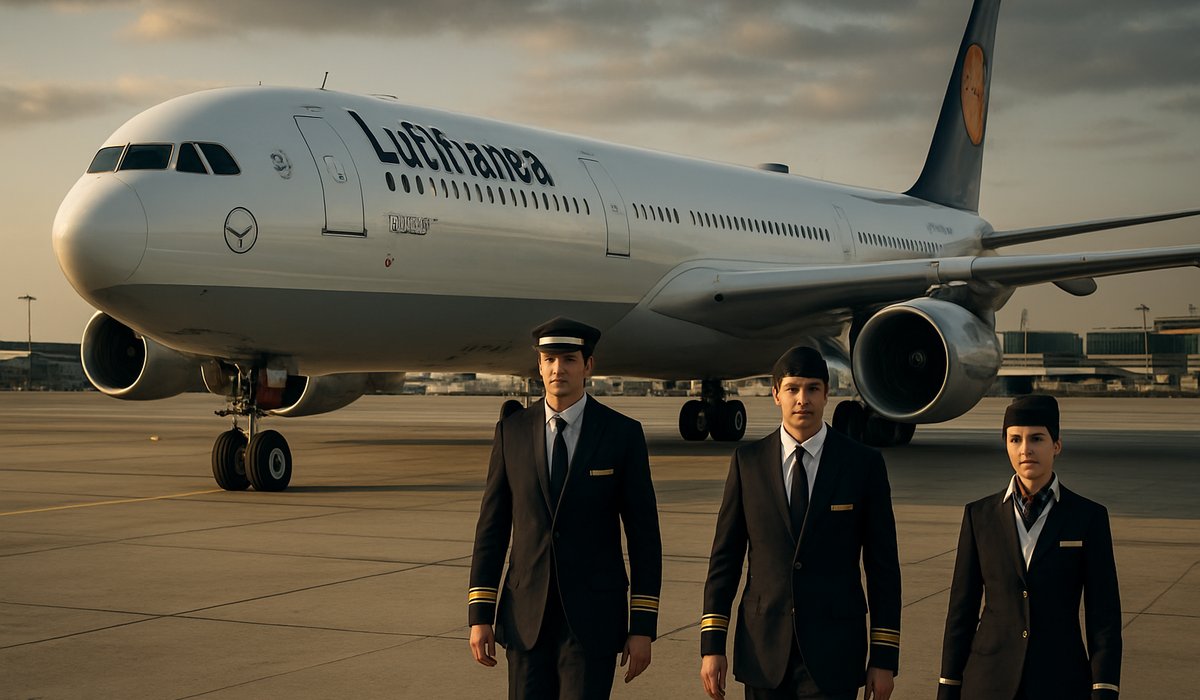
Image generated by AI
Lufthansa's Airbus A340-600: The Long-Haul Paradox That's Costing the Airline Millions
As fuel prices surge and modern twin-engine jets dominate routes, Germany's flagship carrier faces an agonizing choice: retire an essential workhorse or hemorrhage money on outdated four-engine operations
The Aircraft Nobody Wants to Retire
Lufthansa's fleet of Airbus A340-600 widebody jets presents one of aviation's most pressing operational dilemmas heading into 2026. Once hailed as engineering marvels during the golden age of four-engine long-haul travel, these stretched, graceful aircraft have become financial anchors for Europe's largest airline group—yet they remain irreplaceable for critical international routes.
The A340-600's distinctive silhouette has dominated Lufthansa's intercontinental network for two decades, representing an era when redundancy and mechanical robustness were prioritized above fuel efficiency. Today, that legacy has transformed into a liability. The aircraft consumes fuel at rates that modern twin-engine competitors render almost inexplicable in an era of volatile energy markets and climbing airline fees across the industry.
A Fleet Caught Between Necessity and Economics
The paradox facing Lufthansa is stark: while the A340-600 remains operationally essential for specific long-distance routes and capacity demands, the economics no longer support its continued operation. With jet fuel prices fluctuating based on geopolitical tensions and global energy supply chains, the four-engine aircraft's consumption patterns create unmanageable cost structures that directly translate into higher baggage charges, seat surcharges, and ticket prices for passengers.
The airline faces mounting pressure to justify fleet retention decisions as competitors increasingly deploy fuel-efficient twin-engine alternatives like the Boeing 777X and Airbus A350. These modern aircraft consume significantly less fuel per passenger, allowing rivals to maintain competitive pricing while protecting profit margins—advantages that Lufthansa's A340-600 operations cannot match.
Industry-Wide Implications for Aviation Costs
The aviation industry's broader shift away from four-engine jets reflects fundamental changes in route economics and environmental responsibility. Airlines worldwide are retiring aging widebody fleets, but strategic carriers like Lufthansa remain dependent on older aircraft for specific markets where newer alternatives haven't yet achieved adequate capacity or range certification.
This transitional period creates a cascading effect: as airlines maintain older, less-efficient aircraft, operational costs rise, forcing carriers to implement higher airline fees and surcharges. Passengers ultimately bear these burdens through increased baggage charges, seat selection fees, and base fares.
The 2026 Reckoning Approaches
Lufthansa must make definitive fleet modernization decisions within the next 12 months. Continuing to operate the A340-600 risks unsustainable cost structures, while retiring the aircraft prematurely could create route coverage gaps and operational disruptions. Industry analysts expect the German carrier to announce a phased retirement program, with remaining A340-600s serving increasingly specialized roles before final withdrawal.
FAQ: Understanding Lufthansa's Aviation Challenges
Why does Lufthansa still operate four-engine A340-600 aircraft when they consume excessive fuel? Modern twin-engine alternatives weren't available or certified for all of Lufthansa's long-haul routes when the carrier needed replacement capacity. Retiring the A340-600 immediately would create operational gaps that couldn't be filled by existing fleet resources.
How do older aircraft like the A340-600 affect airline fees and ticket prices? Inefficient aircraft increase operational costs per passenger. Airlines offset these expenses by raising baggage charges, seat selection fees, and base fares—costs directly passed to travelers.
What modern aircraft are replacing four-engine jets in long-haul aviation? Twin-engine widebodies like the Boeing 777X, Airbus A350, and Boeing 787 Dreamliner offer superior fuel efficiency while maintaining intercontinental range and capacity capabilities.
How do jet fuel prices impact airlines' decisions about fleet modernization? Rising fuel costs make older, inefficient aircraft financially unsustainable. When oil prices spike due to geopolitical events, airlines accelerate retirement timelines for fuel-hungry models.
When will Lufthansa completely retire its A340-600 fleet? Industry projections suggest a phased retirement beginning in 2026-2027, with complete fleet withdrawal anticipated by 2030, dependent on new aircraft delivery schedules and route demand.
Related Travel Guides
- Travel Chaos Sweeps Argentina as 14 Domestic Flight Cancellations Sever Connectivity Between Buenos Aires, Córdoba, and Iguazú Falls: Latest Airline News
- Breaking Airline News: Terrifying Kuwait Airport Flight Cancellations Trigger Massive Regional Paralyzation and Severe Travel Chaos
- FlyDubai Flight Cancellations Cascade Across Turkey, UAE, Romania in March 2026
Disclaimer
This article is for informational and educational purposes only. It does not constitute legal, financial, or professional advice. While we strive to provide accurate and up-to-date information, travel policies, regulations, and conditions change rapidly. Always verify information with official sources before making travel decisions. Nomad Lawyer makes no representations about the accuracy, reliability, completeness, or suitability of the information provided. Readers should consult qualified professionals for advice specific to their circumstances. The views expressed in this article are those of the author and do not necessarily reflect the views of Nomad Lawyer.
Kunal K Choudhary
Co-Founder & Contributor
A passionate traveller and tech enthusiast. Kunal contributes to the vision and growth of Nomad Lawyer, bringing fresh perspectives and driving the community forward.
Learn more about our team →