
Lufthansa's Historic Fleet Overhaul: Retiring Four-Engine Giants to Boost Profitability
Breaking airline news and aviation industry updates for 2026.

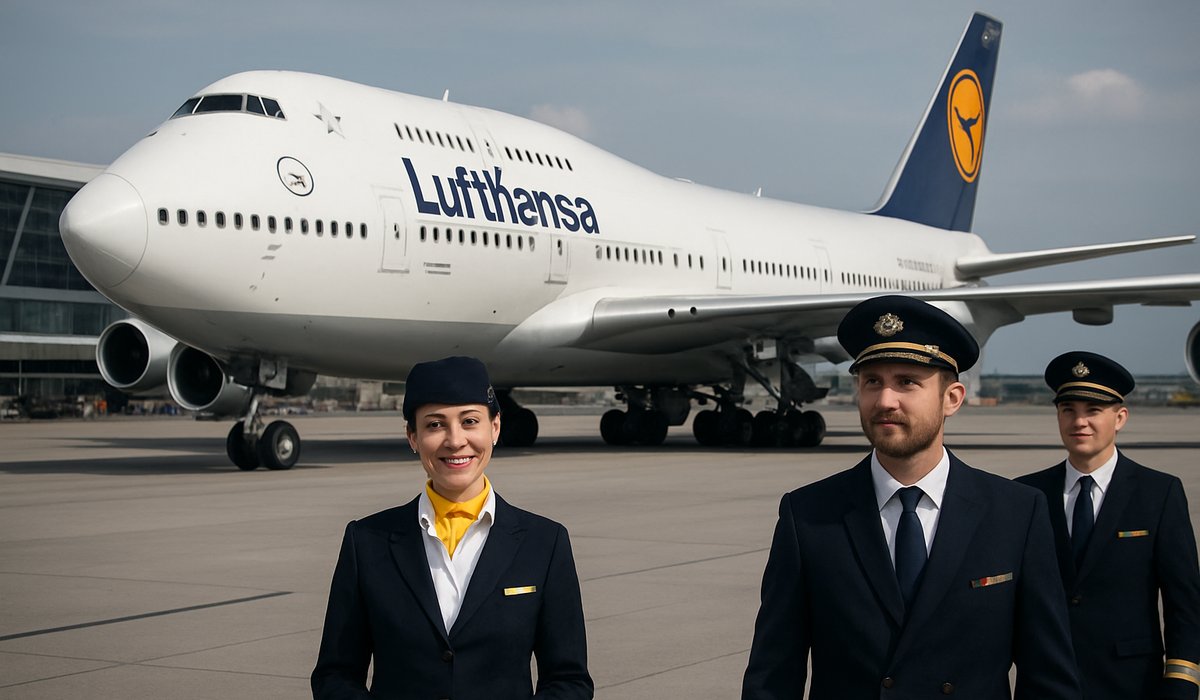
Image generated by AI
Lufthansa's Historic Fleet Overhaul: Retiring Four-Engine Giants to Boost Profitability
The German carrier accelerates retirement of iconic wide-body aircraft as part of broader cost-optimization strategy
A Strategic Fleet Transformation Underway
Lufthansa Group is accelerating the retirement of its remaining Airbus A340 and Boeing 747-400 aircraft, marking a significant turning point for one of Europe's most prestigious carriers. The decision reflects a broader industry shift toward newer, fuel-efficient aircraft as airlines grapple with volatile jet fuel prices and mounting pressure to enhance operational margins in an intensely competitive global aviation market.
The German flag carrier, long celebrated as one of the world's last major operators of the iconic four-engine Boeing 747, is fundamentally reshaping its long-haul fleet composition. This strategic move prioritizes financial performance and environmental compliance over legacy aircraft operations—a trend increasingly common among major international carriers.
Rising Operational Costs and Fleet Economics
The retirement initiative stems directly from escalating operational expenses inherent to operating aging wide-body aircraft. Modern twin-engine jets, particularly the Boeing 787 Dreamliner and Airbus A350, consume significantly less fuel than their four-engine predecessors, translating to reduced airline fees passed on to passengers and improved bottom-line profitability.
Lufthansa's transition aligns with industry-wide pressure to modernize fleets amid persistent jet fuel price volatility and carbon emission regulations tightening across Europe. Newer aircraft deliver superior fuel efficiency—a critical advantage when operating on long-haul international routes where fuel represents the second-largest operational expense after labor.
Impact on Aviation Heritage and Spotting Culture
The phaseout represents the end of an era for aviation enthusiasts worldwide. The Boeing 747, celebrated for decades as the "Queen of the Skies," has become increasingly rare on commercial routes, with very few major carriers maintaining active 747 operations. Lufthansa's decision to retire its remaining fleet underscores the aircraft's diminished role in modern aviation economics.
Similarly, the Airbus A340—a quieter, European-manufactured alternative to the 747—will disappear from Lufthansa's roster, further narrowing opportunities for photographers and aviation enthusiasts to capture these engineering marvels in commercial service.
Broader Industry Implications
This fleet renewal strategy extends beyond Lufthansa's bottom line. The retirement of fuel-intensive aircraft contributes to the aviation industry's sustainability goals, reducing per-seat carbon emissions and supporting European Union environmental directives. Modern alternatives enable carriers to maintain capacity on premium routes while lowering their carbon footprint—a competitive advantage increasingly valued by environmentally-conscious passengers.
The transition also signals confidence in long-term demand recovery post-pandemic, as Lufthansa commits substantial capital to acquiring and integrating next-generation aircraft into its fleet.
FAQ: Understanding Lufthansa's Fleet Retirement Decision
Why is Lufthansa retiring the Boeing 747 and Airbus A340? These four-engine aircraft consume significantly more jet fuel than modern twins like the 787 and A350, directly impacting airline operating costs and profitability margins. Rising fuel prices make older aircraft economically unviable.
How do newer aircraft reduce airline fees and ticket prices? Fuel efficiency improvements lower per-seat operational expenses, allowing carriers to maintain competitive pricing while improving margins—a benefit that can be passed to passengers through lower baggage charges or base fares.
Is Lufthansa the last major airline operating 747s? Lufthansa is among the final carriers operating 747-400s commercially. Most legacy operators have already retired their fleets, making Lufthansa's remaining aircraft exceptionally rare.
What environmental impact does retiring these aircraft have? Modern aircraft produce 20-30% fewer emissions per seat, supporting EU carbon reduction targets and improving air quality. Fleet modernization is essential for airline sustainability compliance.
When will Lufthansa complete this fleet transition? The carrier has not publicly disclosed exact timelines, but typically such transitions occur over 3-5 years as new aircraft deliveries accelerate.
Related Travel Guides
Disclaimer
This article is for informational and educational purposes only. It does not constitute legal, financial, or professional advice. While we strive to provide accurate and up-to-date information, travel policies, regulations, and conditions change rapidly. Always verify information with official sources before making travel decisions. Nomad Lawyer makes no representations about the accuracy, reliability, completeness, or suitability of the information provided. Readers should consult qualified professionals for advice specific to their circumstances. The views expressed in this article are those of the author and do not necessarily reflect the views of Nomad Lawyer.
Raushan Kumar
Founder & Lead Developer
Full-stack developer with 11+ years of experience and a passionate traveller. Raushan built Nomad Lawyer from the ground up with a vision to create the best travel and law experience on the web.
Learn more about our team →