
FedEx Defies Predictions by Doubling Down on MD-11 Fleet as Aviation Industry Moves On
Breaking airline news and aviation industry updates for 2026.

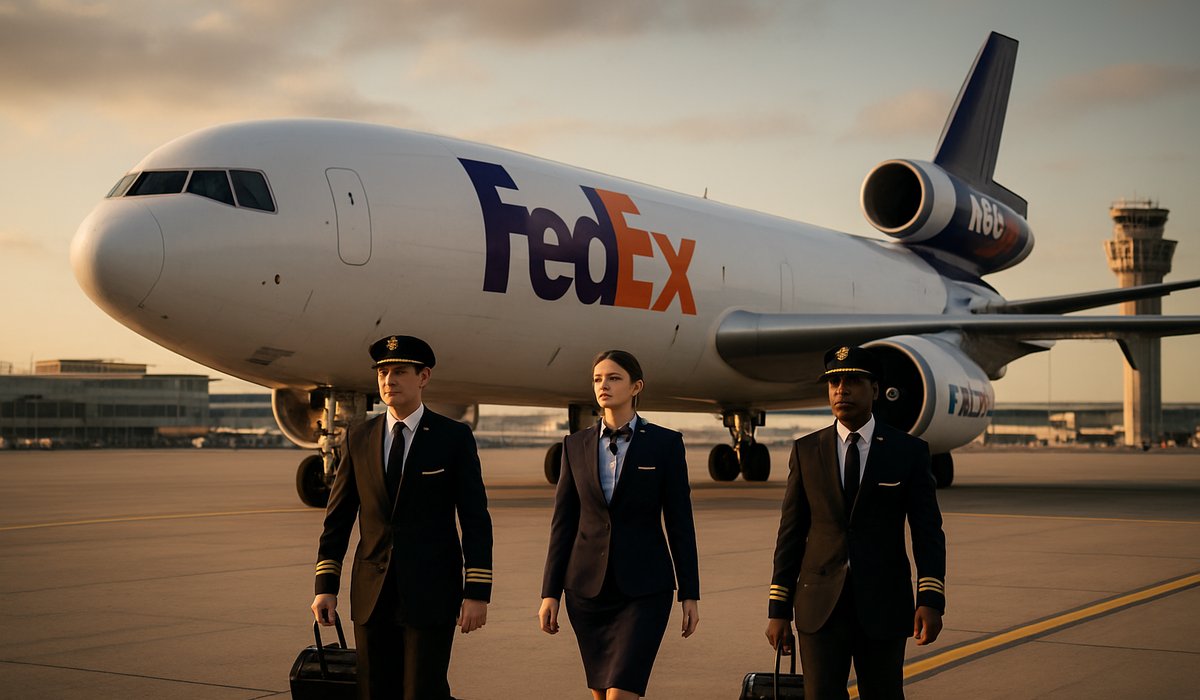
Image generated by AI
FedEx Defies Predictions by Doubling Down on MD-11 Fleet as Aviation Industry Moves On
While competitors abandon aging freighters following fatal crash, logistics giant charts contrarian path with modernization investments
The Unexpected Survivor in Commercial Aviation
The aviation industry braced for finality in November 2025 when a UPS Airlines MD-11 freighter catastrophically failed near Louisville, Kentucky, claiming fourteen lives and prompting an immediate FAA Emergency Airworthiness Directive that suspended all remaining MD-11 operations worldwide. Most observers predicted the disaster would mark the definitive end for the three-decade-old wide-body cargo platform—a graceful exit for a workhorse that had already outlived its commercial relevance.
Yet FedEx Express has charted a starkly different course. Rather than retiring its MD-11 fleet like competitors, the logistics powerhouse is investing substantially in fleet modernization and extended operations, cementing its commitment to the aircraft type at precisely the moment the broader aviation sector is abandoning it.
A Fleet in Transition
The contrast in industry responses underscores divergent business strategies in the competitive express-cargo sector. UPS Airlines, already executing a planned phase-out, accelerated its timeline dramatically—deactivating all 27 MD-11 freighters within weeks of the Louisville incident. The carrier has redirected capacity toward newer, fuel-efficient alternatives including Boeing 767 and 777 platforms.
FedEx, by contrast, operates a substantially larger MD-11 inventory and has signaled no intentions of wholesale retirement. The company's calculus reflects deeper operational and economic considerations that distinguish its logistics network from traditional passenger and combination carriers.
Why Legacy Freighters Retain Strategic Value
The MD-11's persistence within FedEx's operations highlights a critical truth often overlooked in aviation discourse: retirement decisions hinge on economics rather than chronology alone. Despite advanced age and elevated maintenance demands, the aircraft continues delivering measurable value in express cargo operations where payload capacity and established route infrastructure create operational advantages.
Newer aircraft require substantial capital expenditures, crew retraining, and supply-chain integration—investments that don't always justify immediate replacement, particularly when existing fleets operate within managed risk parameters and generate positive cash flows.
The FAA's airworthiness directive, while serious, prompted enhanced inspections rather than indefinite groundings, permitting operators to continue service contingent upon rigorous compliance protocols.
Industry Implications and Market Dynamics
FedEx's contrarian stance reflects broader fragmentation within global cargo aviation. Volatile jet fuel prices, post-pandemic shipping demand patterns, and supply-chain uncertainties have created environments where asset longevity sometimes outweighs modernization urgency. The company's decision suggests confidence in the MD-11's operational viability within tightly managed safety frameworks.
This trajectory underscores how major logistics operators leverage legacy assets strategically—extracting remaining value while competitors transition toward younger platforms.
FAQ: MD-11 Retirement and Aviation Fleet Management
Q: Why is FedEx keeping MD-11 freighters while UPS retired theirs? A: FedEx's larger fleet scale and integrated logistics network create different economic incentives. Retiring 27 aircraft (UPS) differs fundamentally from managing a much larger inventory where phased retirement proves more cost-effective than rapid fleet replacement.
Q: Will the FAA directive permanently ground remaining MD-11s? A: The directive mandates enhanced structural inspections but permits continued operations. Permanent groundings remain possible if inspections reveal systemic safety deficiencies, though FedEx's modernization suggests management confidence in fleet viability.
Q: How do jet fuel prices affect cargo aircraft retirement decisions? A: Rising fuel costs typically accelerate retirement timelines for older, less-efficient aircraft. However, during periods of moderate fuel pricing, older freighters may remain operationally competitive if capital replacement costs exceed fuel-efficiency gains.
Q: What alternatives exist for express cargo operators? A: Boeing 767F and 777F platforms dominate new freighter procurement, alongside Airbus A330 conversions. Older widebodies like the MD-11 compete on acquisition costs and payload capacity rather than fuel efficiency.
Q: How common are accidents involving aging freight aircraft? A: While statistical incidents remain rare, advanced-age freighters operate under heightened regulatory scrutiny. FedEx's continued investment reflects confidence in modern maintenance protocols rather than dismissal of safety concerns.
Related Travel Guides
Flight Delay Compensation Guide 2026
Understanding Airline Route Changes
Airport Security Process Updated (2026)
External Resources
Disclaimer
This article is for informational and educational purposes only. It does not constitute legal, financial, or professional advice. While we strive to provide accurate and up-to-date information, travel policies, regulations, and conditions change rapidly. Always verify information with official sources before making travel decisions. Nomad Lawyer makes no representations about the accuracy, reliability, completeness, or suitability of the information provided. Readers should consult qualified professionals for advice specific to their circumstances. The views expressed in this article are those of the author and do not necessarily reflect the views of Nomad Lawyer.
Raushan Kumar
Founder & Lead Developer
Full-stack developer with 11+ years of experience and a passionate traveller. Raushan built Nomad Lawyer from the ground up with a vision to create the best travel and law experience on the web.
Learn more about our team →